





Blue Floral Ceramic Tray
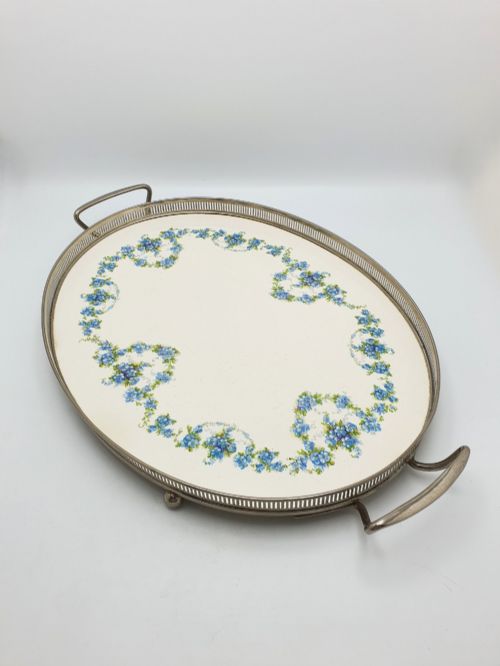
A blue floral ceramic tray brings painted botanicals and domestic utility together, offering useful serving surfaces decorated in cobalt tones.
Blue Floral Ceramic Tray
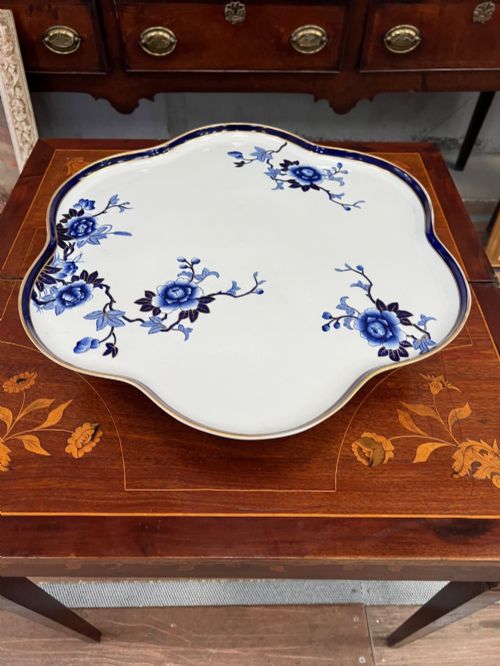
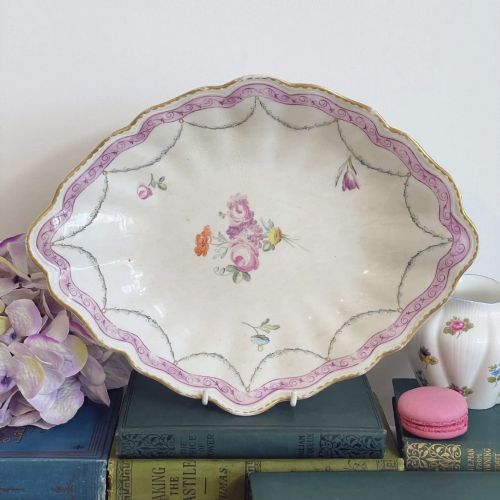
A blue floral ceramic tray encompasses serving platters, meat plates, and decorative dishes created across the eighteenth, nineteenth, and early twentieth centuries. These pieces appear in forms ranging from scalloped dishes and oval trays to large serving platters designed for domestic tables.
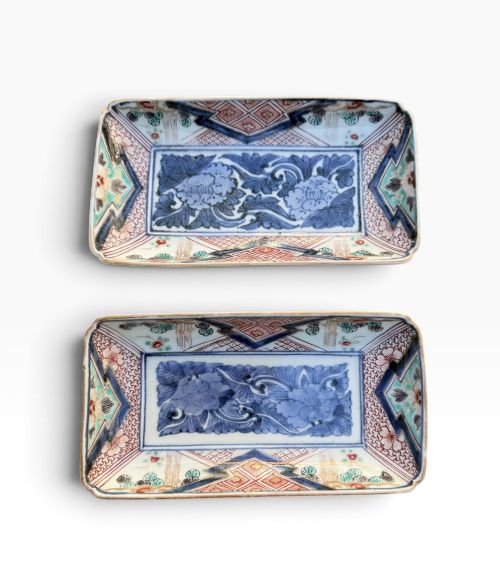
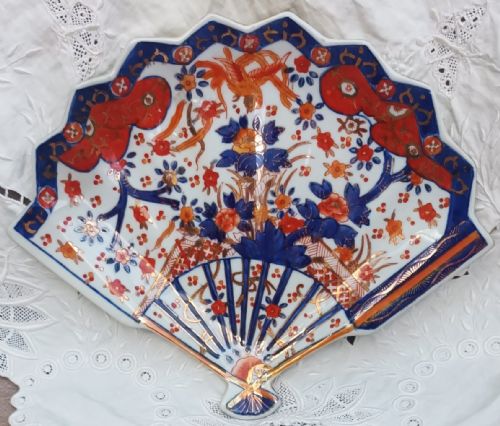
The selections on this page draw upon diverse decorative traditions, including English blue and white transferware, Continental porcelain, and Japanese Imari wares. Buyers encounter both utilitarian serving pieces and purely decorative dishes united by ceramic bodies and floral motifs.
How they were made
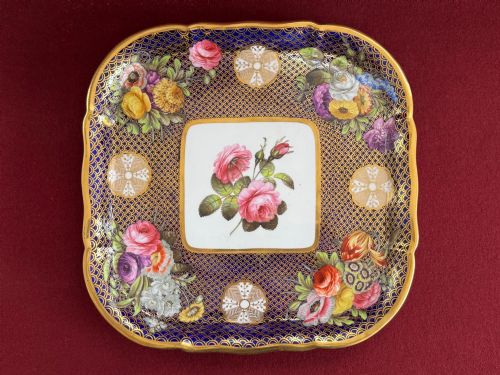
Potters shaped these items from earthenware, porcelain, and ironstone, applying ceramic glazes to seal the porous bodies. Many pieces incorporate blue transfer printing or handpainted polychrome floral designs executed in cobalt pigments beneath or over the glaze.
Selected works receive additional enrichment through gilding and gold leaf highlights applied to borders and handles. Kiln firing fixed the pigments and glazes, creating durable surfaces suited to food service or display.
Blue Floral Ceramic Tray Retail Price Guide 2026
Typical asking prices for blue floral ceramic tray among the pieces listed under this phrase on Sellingantiques today, from the lower quarter to the upper quarter. They describe what is for sale here now, not the wider market.
Certain meat platters still bear the faint, honourable scars of Victorian carving knives.
What varies in quality
Quality rests upon the crispness of the transfer print or the brushwork skill evident in handpainted floral centres. Finer examples display balanced compositions, precise cobalt tones, and well-potted bodies without excessive warping from the kiln.
The reputation of the maker and the sophistication of the decorative scheme further separate standard production wares from exceptional factory outputs. Potteries employing skilled artists or high-grade porcelain achieve superior definition in their floral motifs.
Royal Worcester·Spode·Derby·Minton·Mason·Royal Crown Derby·John Rogers and Son·Elkin Knight and Bridgwood
The Blue Floral Ceramic Tray Glossary
- Transferware
- Earthenware or ironstone decorated by applying a printed design from a copper plate onto paper, then transferring it to the ceramic body before glazing. This technique allowed intricate blue floral patterns to be reproduced consistently.
- Imari
- A style of Japanese porcelain featuring a palette of underglaze blue, iron red, and gold, often depicting floral and landscape subjects. These wares were widely exported to Europe and copied by Western potteries.
- Ironstone
- A heavy, durable type of earthenware patented in the nineteenth century to rival true porcelain. It provided a robust surface for large serving platters and meat plates.
- Polychrome
- Decoration employing multiple colours alongside the dominant blue pigment in handpainted ceramic designs. Artisans used this to add realistic shading to floral subjects.
- Ashet
- A Scottish and regional English term for a large serving platter or meat dish used at the table. These deep ceramic trays held joints of meat or poultry during family meals.
Blue Floral Ceramic Tray: Frequently Asked Questions
How were these trays used historically?
These ceramic trays and platters served functional roles on dining tables for presenting meat, poultry, and side dishes. Larger platters accommodated substantial roasts, while smaller dishes held vegetables or sweet items.
Over time, many transitioned into decorative wall plates or display pieces as dining customs shifted and households accumulated specialised tableware.
How do I care for an antique ceramic tray?
Wash antique ceramics gently by hand in lukewarm water using mild detergent, avoiding soaking or abrasive scrubbers. Sudden temperature changes should be avoided to prevent crazing in the glaze.
Display or store them securely on stable surfaces, using padded plate hangers if mounting them on walls.
How do I tell transferware from handpainted pieces?
Transferware exhibits a fine, repeating dotted pattern under magnification, created by the engraved copper plate used to apply the ink. The lines appear uniform and mechanical across the surface.
Handpainted pieces show slight variations in brushstrokes, pigment pooling, and individual artist marks where the cobalt was applied directly to the ceramic.
What is the difference between earthenware and porcelain?
Earthenware is a porous, opaque ceramic body fired at lower temperatures, often used for robust meat platters and transferware. It requires a complete glaze to become waterproof.
Porcelain is a denser, vitrified ceramic made from refined clay and fired at higher temperatures, resulting in a white body that can sometimes appear translucent.