



Antique Lazy Susan Turntable
An antique lazy susan turntable brings practical revolving service to the dining table, offering guests effortless access to dishes without passing plates.
Antique Lazy Susan Turntable
An antique lazy susan turntable is a rotating tray designed to sit upon a dining table or sideboard, serving food efficiently across gatherings. The pieces gathered here span from the eighteenth century through the Edwardian era and into the Art Deco period, showing how dining customs evolved.
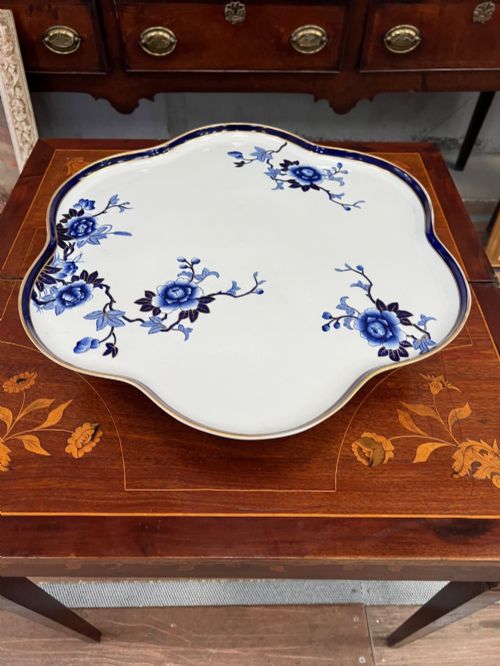
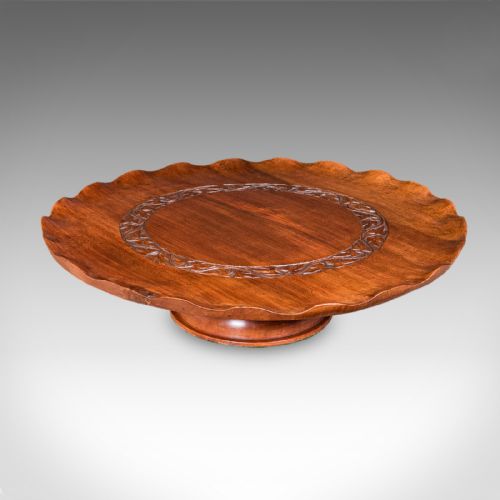
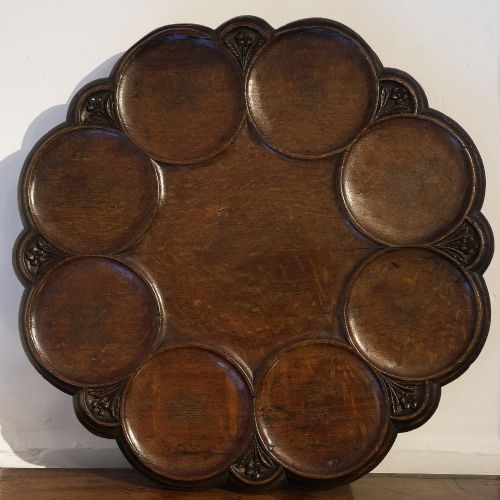
You will encounter round mahogany and oak stands alongside porcelain surfaces and intricate chinoiserie designs. Some examples function purely as serving accessories, while others appear as substantial table top stands meant for heavier dishes.
Origin varies from English country workshops to Indian export pieces, giving you a diverse selection of regional craftsmanship. The nineteenth century examples dominate the current availability, offering solid timber construction built for daily use.
How they were made
Cabinetmakers utilised dense hardwoods such as mahogany and oak to construct the main revolving platforms, ensuring the timber could support heavy china and silver without warping. Turning the large circular boards required a lathe of significant capacity, paired with a central pivot mechanism hidden beneath the surface.
Decorative variations involved applied porcelain inserts, such as Royal Worcester sections, and delicate chinoiserie painted motifs. Metal components like aluminium appeared later in the twentieth century, while earlier mechanisms relied on wooden pivots or brass bearings.
Antique Lazy Susan Turntable Retail Price Guide 2026
Typical asking prices for lazy susan turntable among the pieces listed under this phrase on Sellingantiques today, from the lower quarter to the upper quarter. They describe what is for sale here now, not the wider market.
The listings span from the eighteenth century to nineteen thirty, featuring timber and porcelain materials.
What varies in quality
The smoothness of the rotation distinguishes a superior revolving tray from a lesser one, depending on the wear of the original pivot mechanism. A well-balanced timber top turns evenly on its base without tilting when weight rests on the edge.
Subtlety of grain in the mahogany or oak and the crispness of painted chinoiserie decoration separate standard domestic serveware from finer dining table centrepieces. The depth of the timber and the integrity of the original joints govern the longevity of each piece.
Royal Worcester
The Antique Lazy Susan Turntable Glossary
- Lazy Susan
- A revolving tray placed on a table to assist in moving food. This rotating accessory allows diners to share dishes easily.
- Chinoiserie
- European imitation of Chinese artistic motifs and styles. This decorative technique appears on porcelain and timber surfaces.
- Canapé
- A small, prepared piece of food consisting of a small piece of bread or pastry decorated with savoury toppings. Turntables often served these party appetisers.
- Mahogany
- A durable tropical hardwood with a reddish-brown colour. Cabinetmakers favoured this timber for fine dining furniture.
- Rotary
- Turning around an axis or centre point. The mechanism beneath the tray enables this smooth circular motion.
Antique Lazy Susan Turntable: Frequently Asked Questions
What is an antique lazy susan?
An antique lazy susan is a revolving table top tray designed to pass food around a dining table without handing dishes across guests.
These wooden or porcelain servers date from the Georgian period through the early twentieth century and remain practical for modern dining.
How do you use a lazy susan turntable?
You place the turntable in the centre of a dining table or sideboard and load it with condiments, sauces, or canapés.
Gentle hand pressure rotates the surface, bringing the required dish directly to each seated diner in turn.
How do I date an old lazy susan?
Dating relies on timber selection, construction methods, and surface decoration such as Edwardian edgings or Georgian mahogany finishes.
Examining the underside reveals the mechanism type and age of the central pivot used by the maker.
Are these revolving trays durable?
Solid hardwoods like oak and mahogany give these serving trays lasting structural strength for everyday dining use.
Careful handling of the central bearing mechanism ensures the wooden platform continues to rotate smoothly over time.