







Blue Enamel Vanity
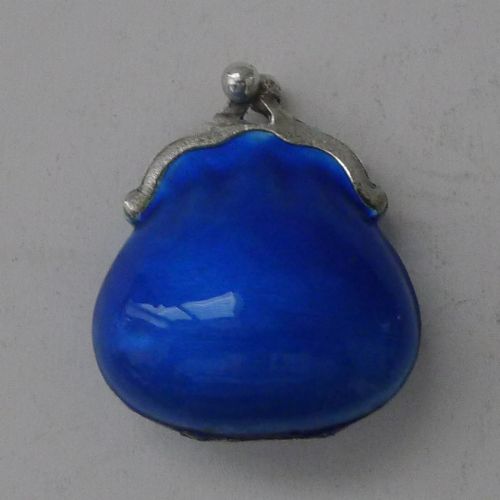
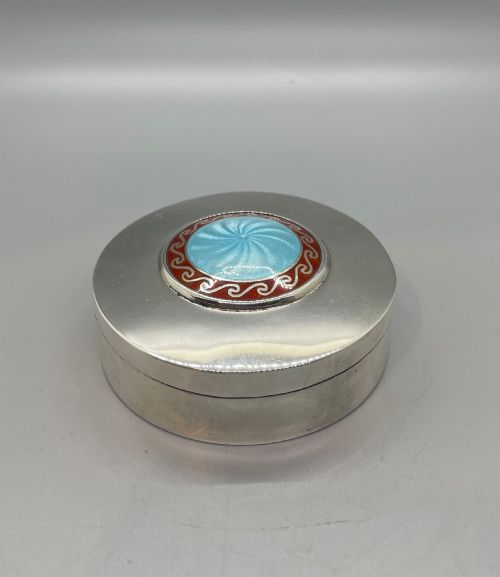
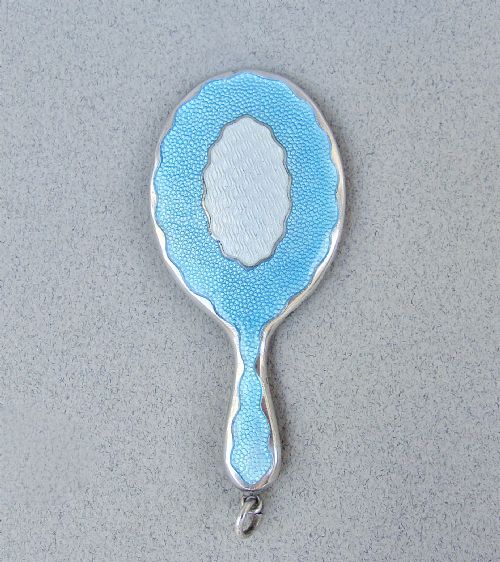
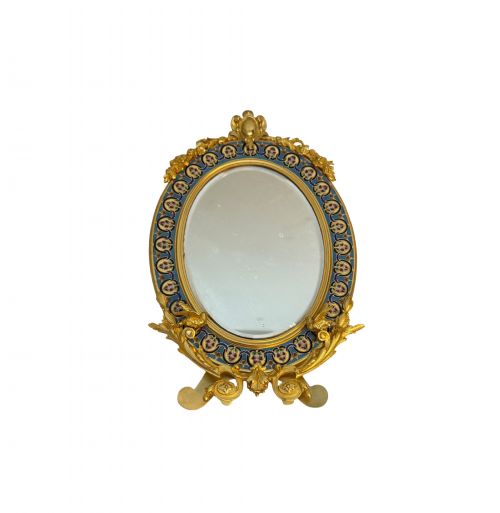
A blue enamel vanity brings together precious metal, glass and vibrant vitreous colour for the dressing table.
Blue Enamel Vanity
A blue enamel vanity selection comprises dressing table accessories designed to hold cosmetics, trinkets or perfumes. The pieces span centuries, ranging from eighteenth-century Georgian patch boxes to twentieth-century Art Deco compacts.
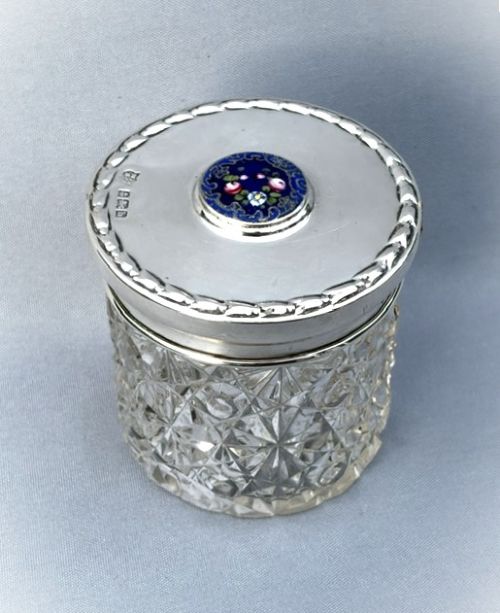
Powder compacts, hand mirrors, scent bottles and lidded jars form the primary objects encountered in this category. English and French makers dominate the origins, alongside items from Italian and mid-century workshops.
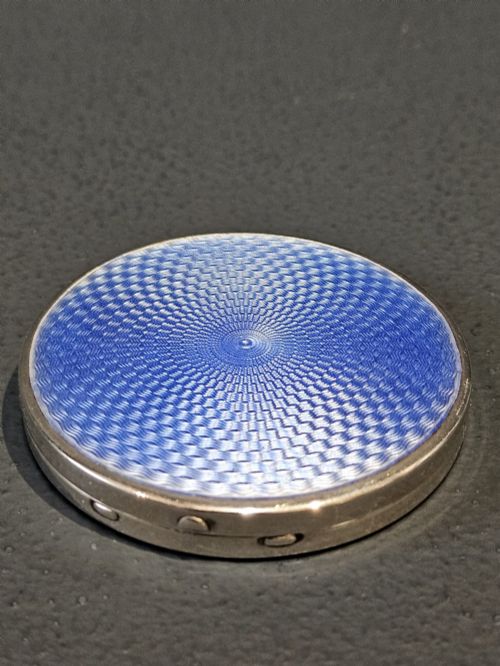
The most frequent items met on this page combine sterling silver with translucent blue guilloche enamel over engine-turned metal. These dressing table pieces reflect the changing styles of the Edwardian era and the 1930s.
Materials and Technique
Silversmiths and jewellers constructed these items using sterling silver, bronze, porcelain and cut glass as foundational structures. Vitreous enamel was applied in layers and fired at high temperatures to achieve durable, glossy surfaces.
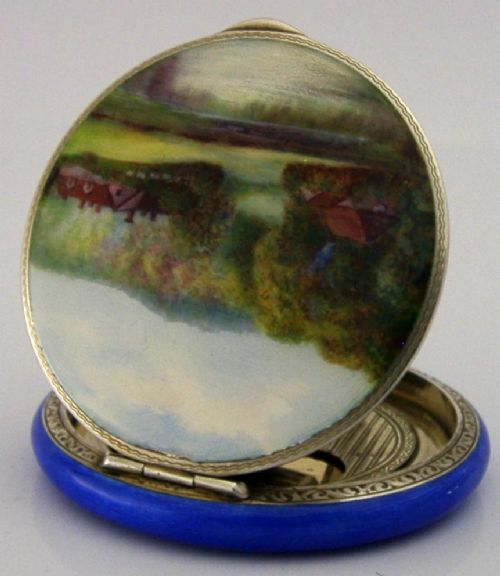
Guilloche decoration involved cutting precise geometric patterns into metal by machine before applying translucent enamel so the underlying texture showed through. Hand-painted miniature scenes and gilt detailing were frequently added to porcelain and copper patch boxes.
Blue Enamel Vanity Retail Price Guide 2026
Typical asking prices for blue enamel vanity among the pieces listed under this phrase on Sellingantiques today, from the lower quarter to the upper quarter. They describe what is for sale here now, not the wider market.
Tiny Georgian patch boxes once hid small black silk patches designed to cover blemishes or highlight a smile.
Standard and Craftsmanship
The sophistication of the enamel work dictates the standing of an individual piece. Fine guilloche displays crisp, regular machine engraving beneath clear, even colour, while lesser examples show pooling or uneven thickness.
The integration between metal mounts, glass bodies and hinged closures determines the mechanical success of an object. Makers who employed heavy gauge sterling silver and precise fasteners produced vanity items that retained structural integrity through decades of daily use.
Henry Clifford Davis·Henry Williamson·Henry Matthews·Henry Perkins And Sons·René Lalique·Giuliano Spinelli
The Blue Enamel Vanity Glossary
- Guilloche
- An ornamental engraving technique in which a precise, intricate pattern is mechanically etched into a metal surface. This worked metal is then covered with translucent enamel.
- Champleve
- An enamelling technique where troughs or cells are hollowed out in the metal plate and filled with enamel powder before firing. The surrounding metal remains visible as part of the design.
- Patch box
- A small, shallow container used in the eighteenth and nineteenth centuries to hold cosmetic patches made of silk or velvet. These boxes typically feature hinged mirrors inside the lid.
- Bilston enamel
- Enamelware produced in the English Midlands town of Bilston during the eighteenth century, commonly taking the form of small copper boxes painted with scenic views.
- Vitreous enamel
- A material made by fusing powdered glass to a substrate by firing, usually between seven hundred and nine hundred degrees Celsius. The powder melts, flows, and hardens to a smooth, durable coating.
Blue Enamel Vanity: Frequently Asked Questions
What is a guilloche enamel vanity piece?
A guilloche enamel vanity piece is a dressing table accessory featuring engine-turned metal beneath coloured translucent glass enamel.
These items range from compacts and powder jars to perfume bottles and hand mirrors.
How do I date a blue enamel compact?
Dating relies heavily on hallmarks stamped into the silver mounts, which indicate the assay office and year of manufacture.
Stylistic indicators such as geometric Art Deco lines or floral Edwardian motifs also help place the piece in its decade.
Were these items used for everyday cosmetics?
Yes, these accessories were daily companions on dressing tables and inside ladies handbags for powder, rouge and scent.
Many retain original interior mirrors, mesh screens or suede linings from their period of use.
What is the difference between champleve and guilloche?
Champleve involves carving cells directly into a thick metal base to hold opaque or translucent enamel colours.
Guilloche uses a machine to engrave precise repeating patterns across an entire metal plate before applying a transparent enamel wash.