
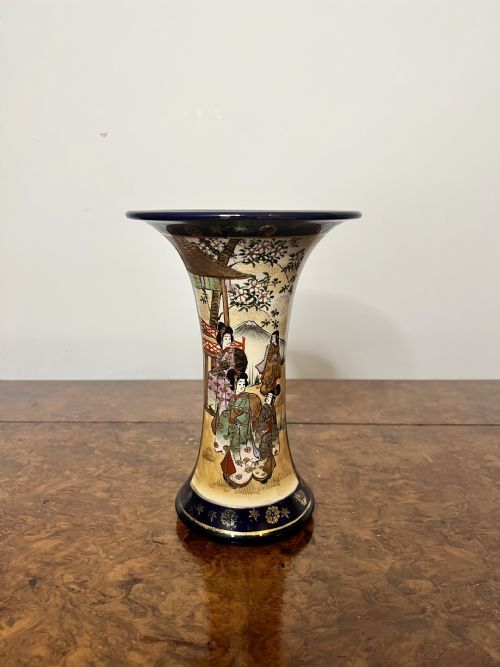


Blue Earthenware Vase
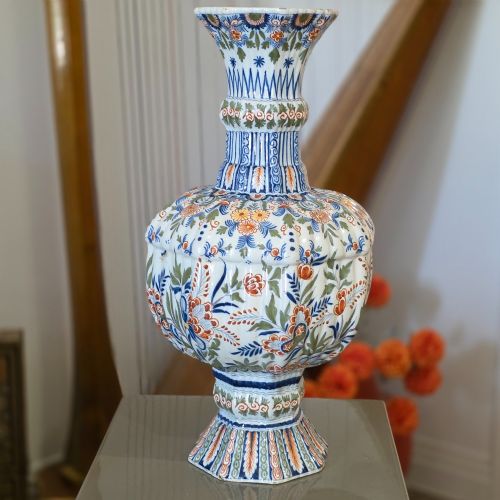
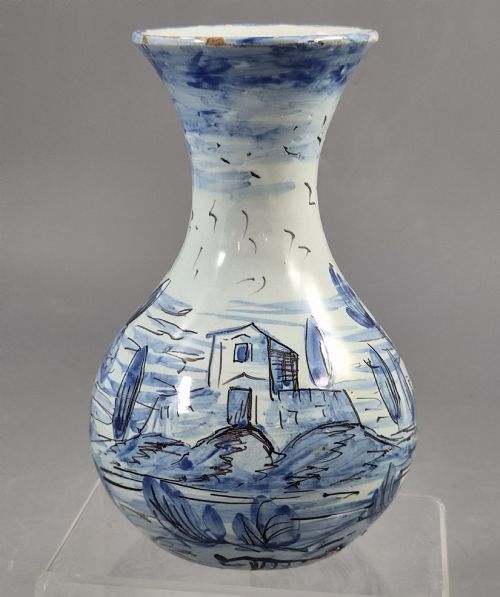
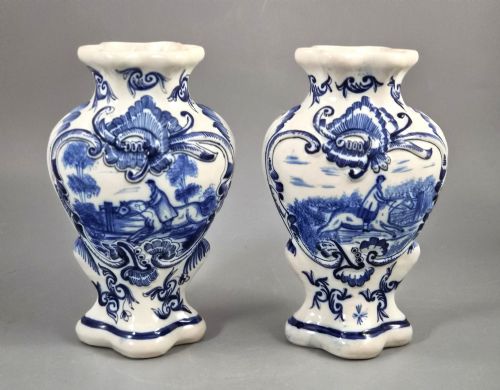
When you search for a blue earthenware vase, you uncover centuries of tin-glazed, faience, and majolica vessels designed to display flowers or anchor a room.
Blue Earthenware Vase
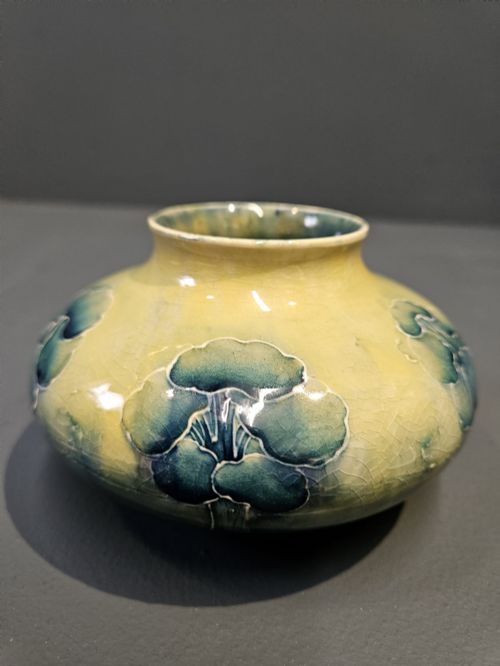
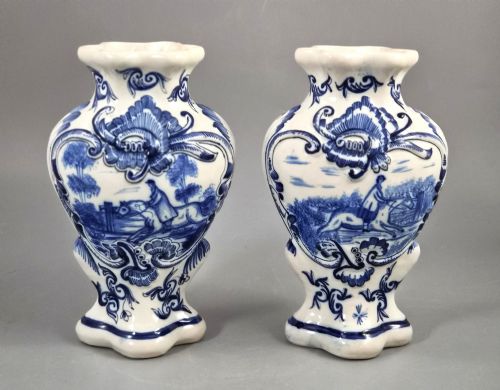
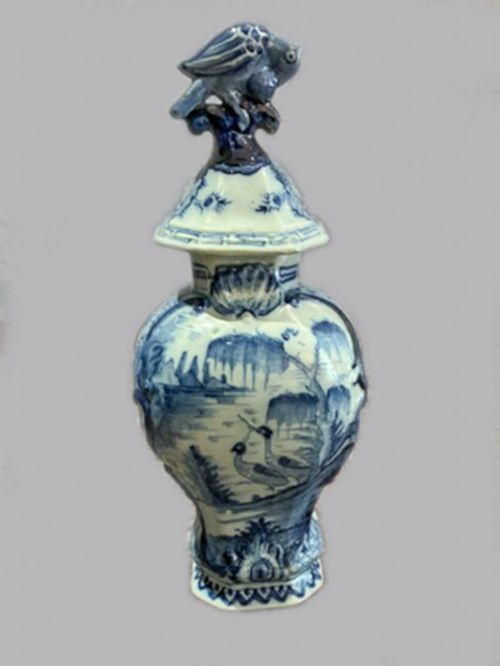
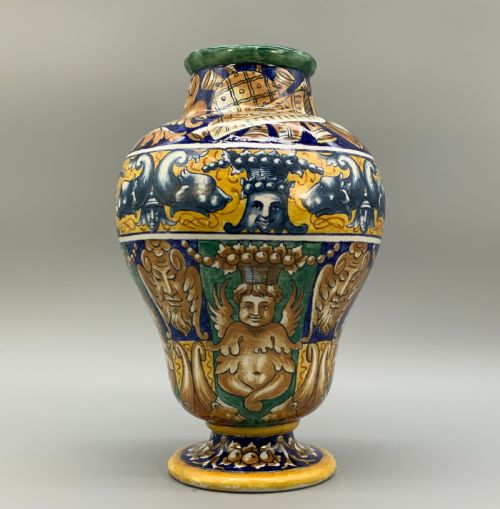
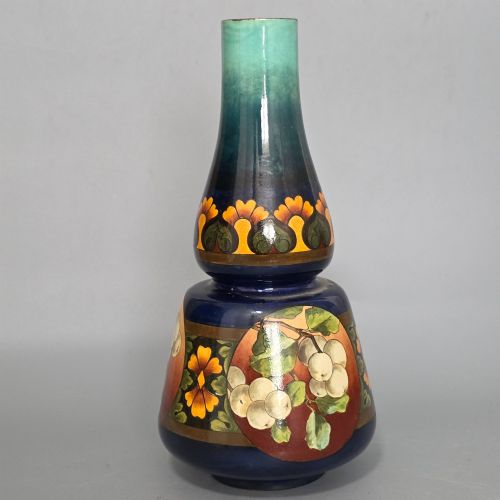
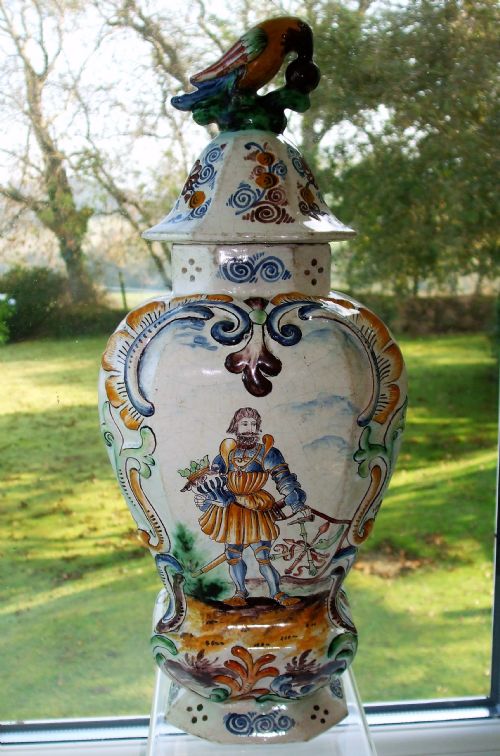
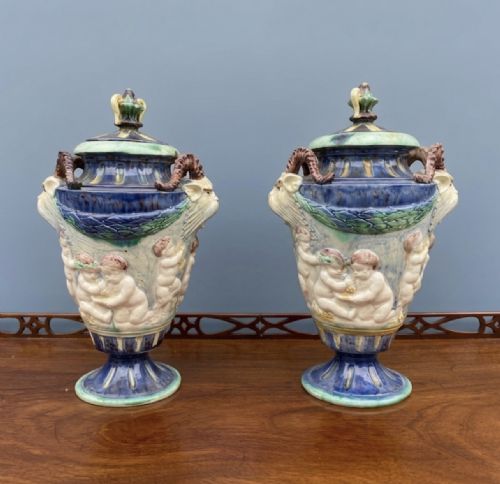
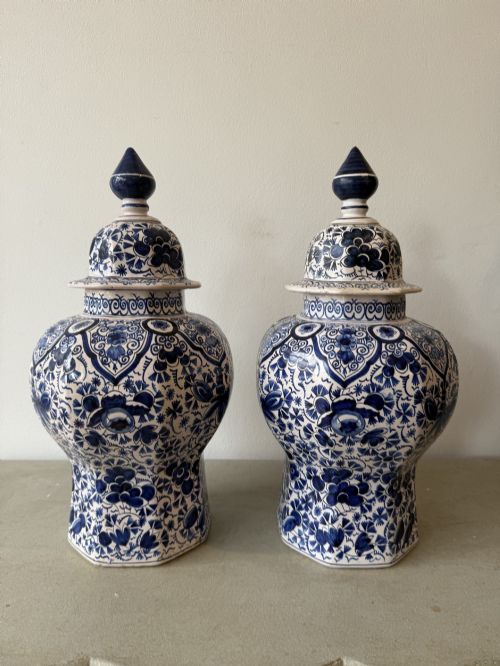
The aesthetic vocabulary stretches from Dutch Baroque chinoiserie and Renaissance Revival motifs to Arts and Crafts designs and Art Nouveau floral patterns. You will encounter grand mantel pairs alongside solitary apothecary jars, each presenting cobalt decoration upon a pale ground.
The category bridges utilitarian storage vessels and purely decorative gallery pieces. Form follows function in traditional jars and urns, while later Victorian and Edwardian examples lean heavily into ornamental display.
Materials and production methods
Makers shaped porous earthenware clay on the potter's wheel or within moulds before applying opaque tin glazes or enamel coatings. This absorbent ceramic body required a protective vitreous coating to hold water and provide a smooth white canvas for cobalt pigment.
Painters applied cobalt oxide pigments directly onto the unfired or raw glaze, capturing intricate birds, floral sprays, and figures before subjecting the vessel to high kiln temperatures. Selected works incorporate supplementary gilding or raised moriage relief details applied over the primary glaze layer.
Listings span the 17th century through the 1920s, featuring earthenware, tin-glazed earthenware, enamel, and brass components across diverse global traditions.
Judging execution and finish
Quality rests in the precision of the hand-painted cobalt detail and the depth of the tin glaze. Superior vessels display crisp brushwork with controlled bleeding at the edges, whereas simpler production pieces show hurried, repetitive strokes.
The weight of the earthenware body, the symmetry of the thrown or moulded form, and the preservation of supplementary gold leaf or enamel distinguish standard commercial output from pieces made for major potteries and international exhibitions.
Cantagalli·Moorcroft·Fourmaintraux-Courquin·Doulton Lambeth·Lauder Pottery·Minton·Wileman·Kinkozan·Nanzan
The Blue Earthenware Vase Glossary
- Earthenware
- Porous pottery fired at lower temperatures than stoneware or porcelain. It requires a glaze to become watertight.
- Tin glaze
- An opaque white glaze containing tin oxide, providing the traditional smooth background for blue pigment on delftware and faience.
- Faience
- European tin-glazed earthenware, particularly associated with French and Italian production centres.
- Baluster
- A bottle or vase form with a rounded body that tapers toward a narrow neck, common in 18th-century Delft.
- Moriage
- Japanese ceramic decoration using piped clay to create raised relief patterns, frequently highlighted with gold.
- Chinoiserie
- European artistic style reflecting Chinese motifs, widely rendered in blue and white on historic delftware.
Blue Earthenware Vase: Frequently Asked Questions
What is a blue earthenware vase?
A blue earthenware vase is a ceramic vessel finished with tin glaze, enamel, or cobalt decoration upon a porous clay body. These pieces range from historic European delftware jars to Japanese satsuma ornamental urns.
They reflect centuries of global ceramic design, uniting utilitarian forms and decorative shapes under a shared palette of blue and white.
How were these vases used historically?
Many historical vessels served practical domestic or apothecary functions, storing dry goods, liquids, or medicinal compounds behind fitted lids. Others were made strictly as decorative mantel ornaments or cabinet display pieces.
Over time, functional apothecary jars and storage vessels transitioned into purely ornamental objects prized for their hand-painted blue motifs.
How do I style these vases at home?
These ceramic vessels anchor mantels, sideboards, and open shelving as sculptural focal points. Pair lidded jars in symmetrical pairs or let a solitary baluster vase stand alone against neutral backgrounds.
Keep water use cautious with antique earthenware, as historic porous bodies and delicate interior glazes can be sensitive to moisture over extended periods.
How do I tell different periods apart?
Distinguishing periods relies on examining the interaction of clay body, glaze texture, and painting style. Earlier 17th and 18th-century pieces often display tin-glazed delftware characteristics with hand-painted Chinoiserie scenes.
Later 19th and early 20th-century works introduce factory marks, raised moriage relief, and distinct Art Nouveau or Arts and Crafts stylistic influences.