



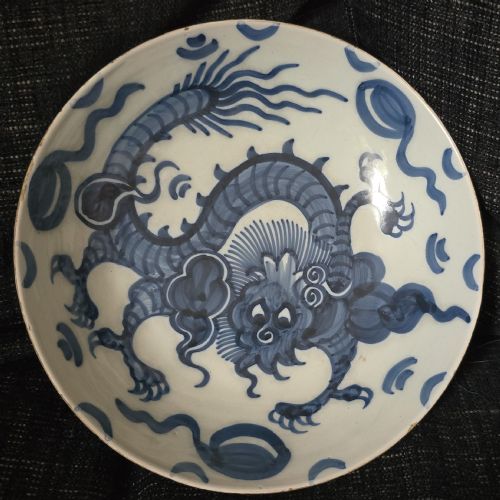



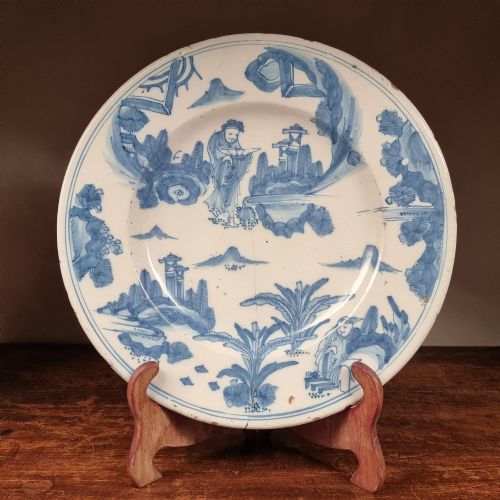
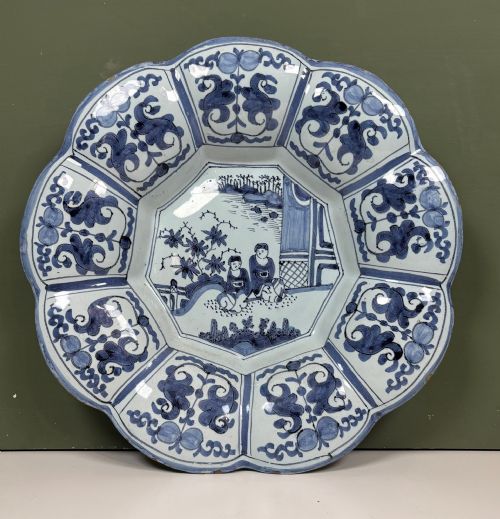
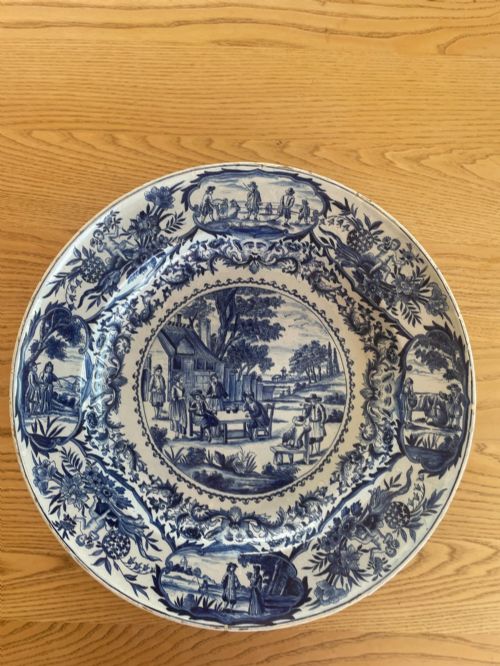

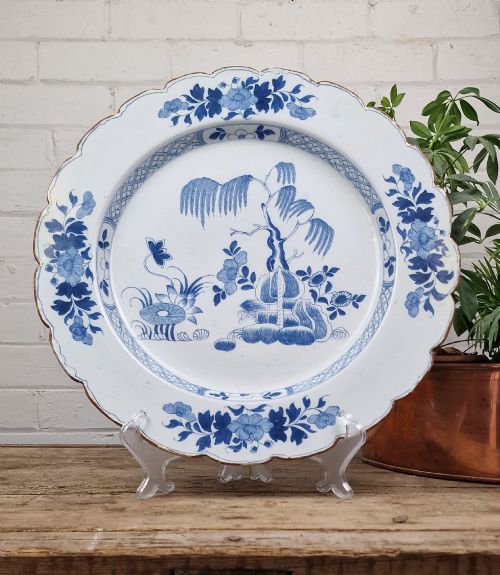
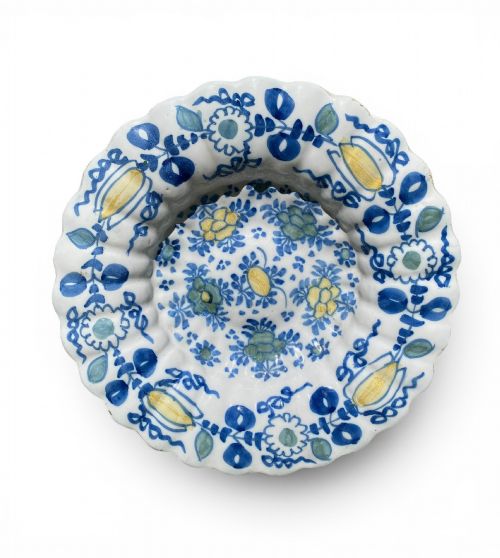
Blue Delft Plate
A blue delft plate brings tin-glazed earthenware and cobalt pigment together, offering collectors centuries of hand-painted ceramic history.
Blue Delft Plate
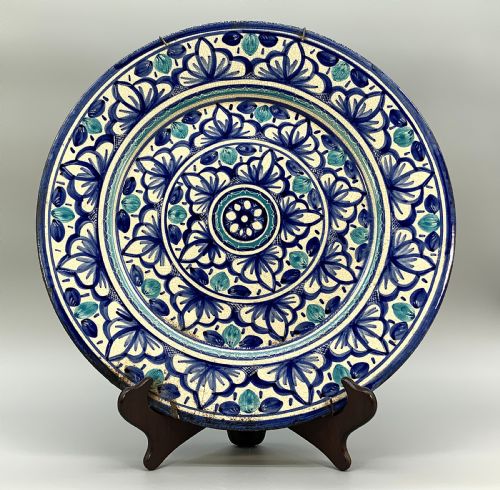
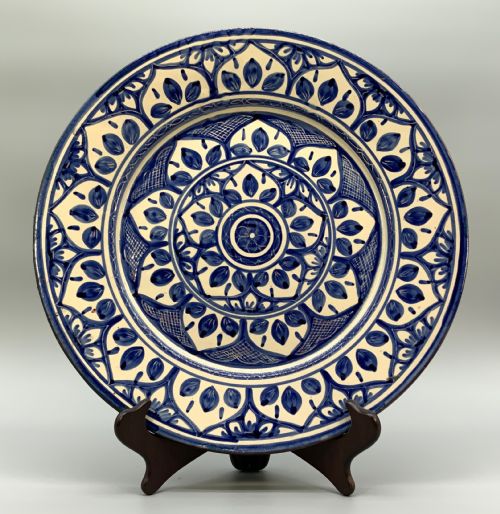
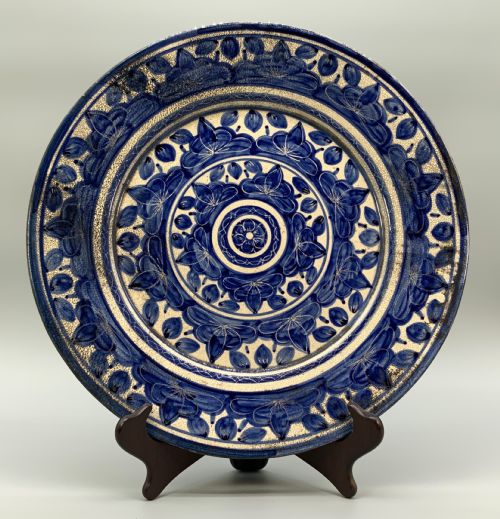
When you search for a blue delft plate, you encounter decorative chargers, shallow bowls, and saucer dishes spanning the seventeenth, eighteenth, and nineteenth centuries. These pieces originate from English and Dutch potteries, alongside continental workshops producing tin-glazed earthenware.
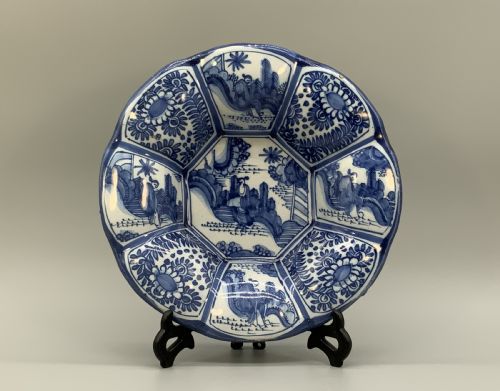
The selection here relies heavily on eighteenth-century examples and seventeenth-century forms, including Kraak styles and Dutch Baroque shapes. Chargers and plates present circular surfaces decorated with cobalt pigment, historical motifs, and occasional polychrome palettes.
What varies in quality
Quality rests in the crispness of the hand-painted cobalt decoration and the stability of the tin glaze across the earthenware body. Superior examples display confident brushwork and well-balanced compositions.
The depth of the dish, the proportion of the rim, and the purity of the white tin-glaze ground distinguish standard production pieces from finer chargers and lobed dishes.
Blue Delft Plate Retail Price Guide 2026
Typical asking prices for blue delft plate among the pieces listed under this phrase on Sellingantiques today, from the lower quarter to the upper quarter. They describe what is for sale here now, not the wider market.
Listings feature tin-glazed earthenware and ceramic pieces spanning the seventeenth to twentieth centuries.
The Blue Delft Plate Glossary
- Tin-Glazed Earthenware
- Earthenware pottery covered with an opaque white glaze containing tin oxide. This technique provides the smooth canvas characteristic of delftware.
- Charger
- A large decorative plate intended for display on a wall or dresser rather than everyday dining use. These items measure substantially wider than standard dinner plates.
- Kraak Style
- A decorative scheme originating from Chinese export porcelain, featuring segmented panel borders and central motifs. Dutch and English delft potteries imitated this aesthetic.
- Cobalt Pigment
- A metallic oxide used to achieve the deep blue colour seen on traditional ceramic decoration. It withstands high firing temperatures without losing tone.
Blue Delft Plate: Frequently Asked Questions
How do I hang a charger?
Chargers require specialised flat-backed wire hangers that distribute weight evenly across the ceramic rim without applying pressure to the earthenware body.
Displaying these large plates safely protects the tin glaze from accidental impacts against walls or furniture.
What is the difference between delft and faience?
Tin-glazed earthenware received different regional names, with Dutch and English production commonly termed delftware while continental European pieces were often called faience.
Both terms describe the same fundamental technique of applying a white tin glaze over an earthenware base before painting.
How do I clean old delftware?
Dusting with a dry, soft cloth remains the safest method for maintaining tin-glazed surfaces and preventing moisture penetration.
Avoid soaking or scrubbing historic ceramics, as moisture exploits microscopic fractures in the old glaze.