





Blue Delft Jars
Blue delft jars are tin-glazed earthenware vessels in cobalt blue, prized for their centuries of Dutch ceramic tradition.
Blue Delft Jars
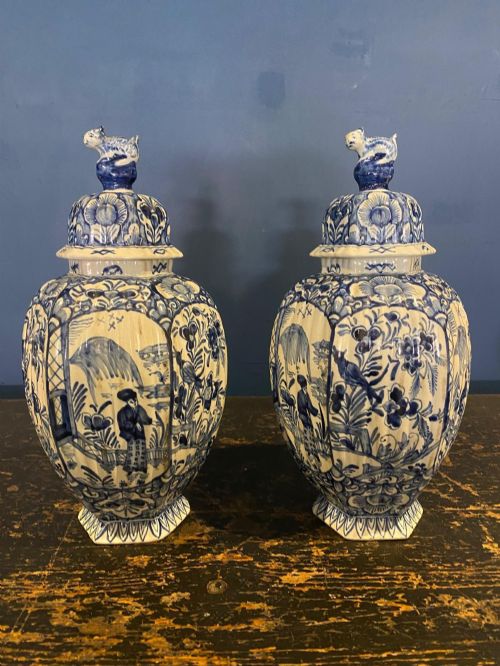
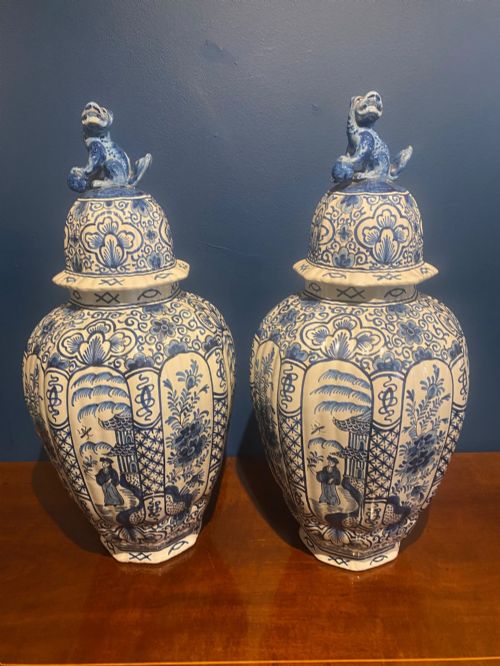
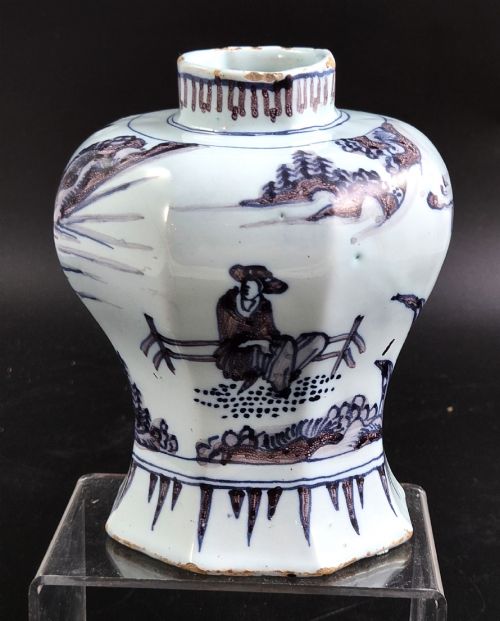
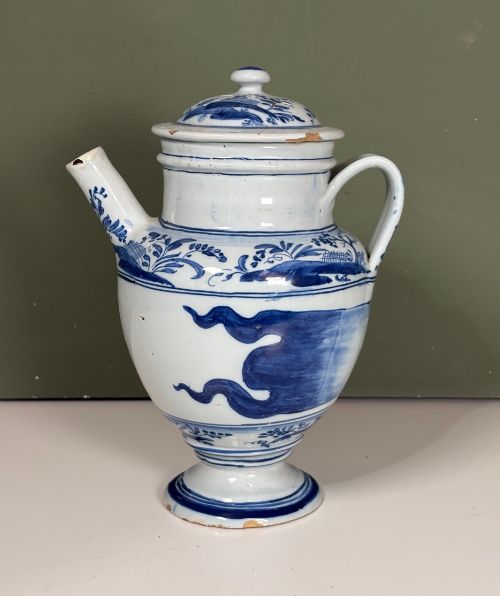
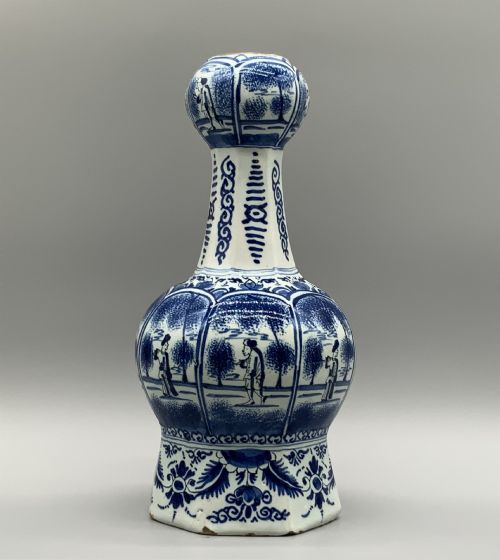
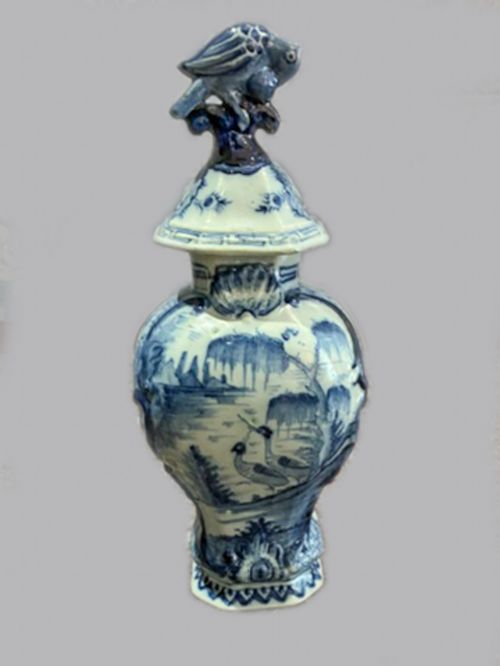
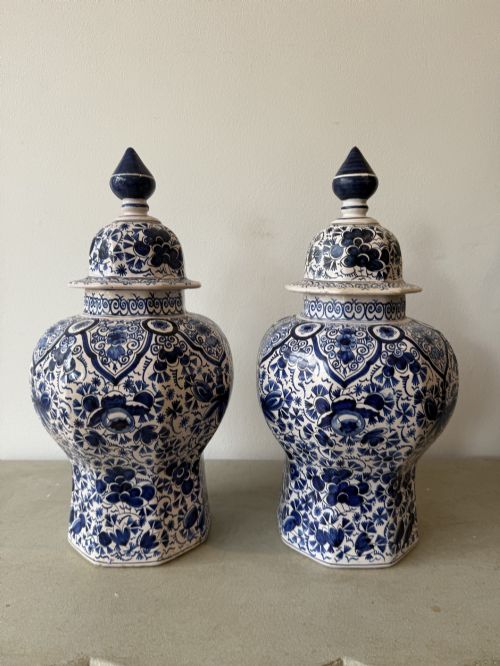
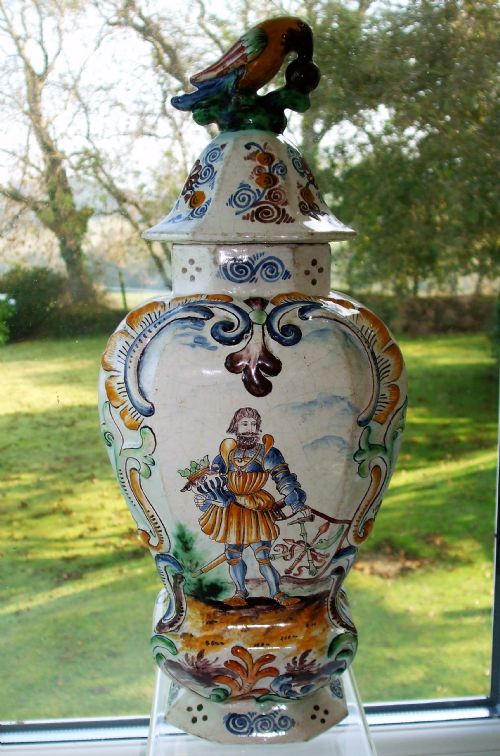
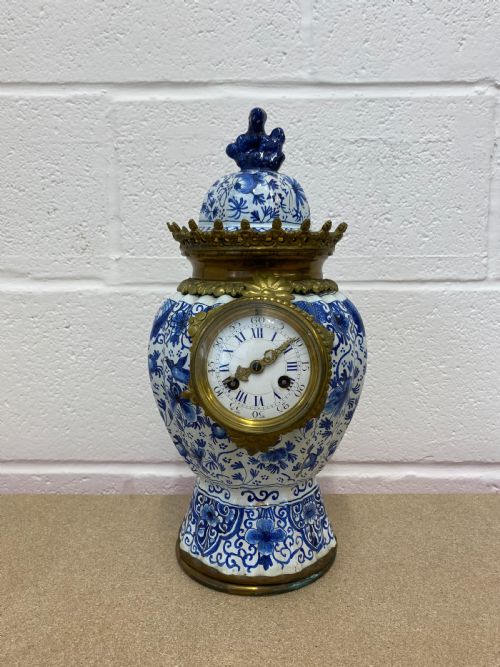
Blue delft jars encompass lidded vessels, baluster vases, and apothecary jars originating from Dutch workshops across the seventeenth, eighteenth, and nineteenth centuries. These pieces display classic cobalt pigment painted upon white tin-glazed earthenware bodies.
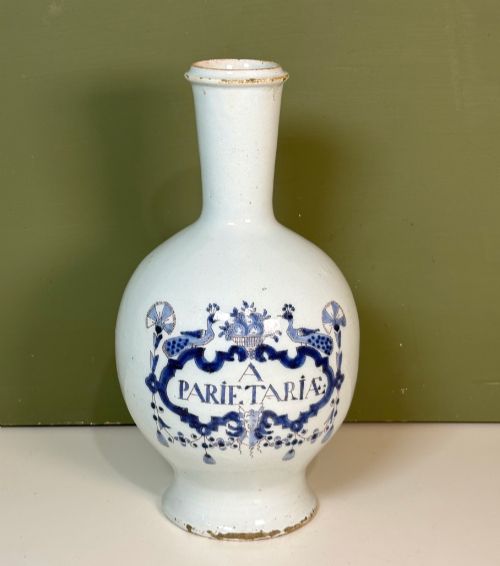
The form ranges from tall baluster vases to functional tobacco jars and apothecary bottles, often incorporating Dutch Baroque styles or Chinoiserie motifs. Buyers encounter both single decorative jars and matched pairs designed for period interiors.
How they were made
Potters shaped ceramic earthenware bodies before applying an opaque white tin glaze that provided a smooth canvas for painting. Artisans then brushed cobalt pigment and oxide directly onto the unfired glaze.
High-temperature kiln firing fused the cobalt into the tin glaze, producing deep blue decorative scenes of birds, flowers, and scholars. Certain examples also integrated brass elements for lids and mounts.
Blue Delft Jars Retail Price Guide 2026
Typical asking prices for blue delft jars among the pieces listed under this phrase on Sellingantiques today, from the lower quarter to the upper quarter. They describe what is for sale here now, not the wider market.
What varies in quality
The refinement of the cobalt painting separates standard production pieces from masterworks, particularly in the crispness of Chinoiserie details and botanical motifs. Delicate brushwork and well-balanced baluster proportions indicate superior workshop execution.
The smoothness and opacity of the tin glaze across complex forms like octagonal jars also denote higher manufacturing standards. Intact original covers and uniform glaze coverage mark the upper tier of surviving examples.
The Blue Delft Jars Glossary
- Tin-Glazed Earthenware
- Earthenware pottery coated with a white tin oxide glaze to create an opaque surface for painted decoration. This technique forms the fundamental basis of all authentic delftware.
- Baluster
- A vase or jar form characterised by a swelling lower body that tapers towards a narrow neck and flared rim. This silhouette frequently appears among seventeenth and eighteenth-century jars.
- Cobalt Pigment
- A metallic blue colourant derived from cobalt oxide used to paint intricate designs directly onto the unfired glaze. It withstands high kiln temperatures without losing its intense hue.
- Chinoiserie
- European artistic interpretation of Chinese and East Asian decorative motifs, popular on seventeenth-century earthenware. Artisans adapted these oriental scenes onto domestic jar forms.
- Apothecary Jar
- A specialised storage vessel utilised by historical chemists and apothecaries to hold dry drugs or medicinal herbs. These jars often feature inscribed labels alongside botanical painted decoration.
Blue Delft Jars: Frequently Asked Questions
How do I identify seventeenth-century delft jars?
Seventeenth-century examples often display intricate Chinoiserie scenes and rich cobalt painting executed within early Dutch Baroque traditions.
Examination of the tin-glaze surface and earthenware body helps distinguish these early pieces from later nineteenth-century revivals.
Were these jars used for storage?
Many lidded vessels and tobacco jars served practical domestic or apothecary functions before becoming purely decorative display items.
Form variations such as dedicated apothecary bottles indicate specific uses for holding medicinal contents.
How should I display lidded delft jars?
Pairs of baluster vases and lidded urns suit mantelpieces, sideboards, or dedicated cabinets where their cobalt decoration remains visible.
Placing them away from direct sunlight protects the tin glaze and earthenware structure over time.
What is the difference between delft and faience?
Faience is a broader European term for tin-glazed earthenware, whilst delft specifically denotes tin-glazed pottery made in the Netherlands.
Dutch delft jars represent a distinct regional branch of this wider European ceramic tradition.