



Blue Coat Gentleman Portrait
When you search for a blue coat gentleman portrait, you are looking at centuries of individual character captured in oil and watercolour.
Blue Coat Gentleman Portrait
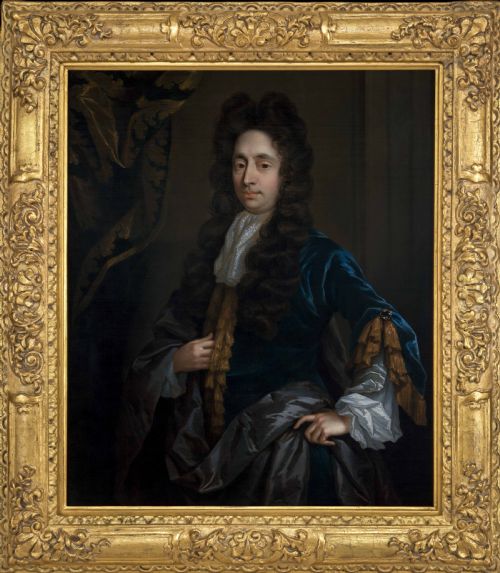
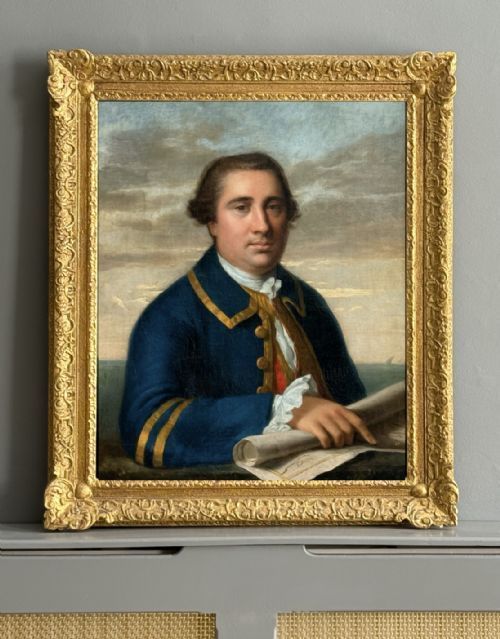
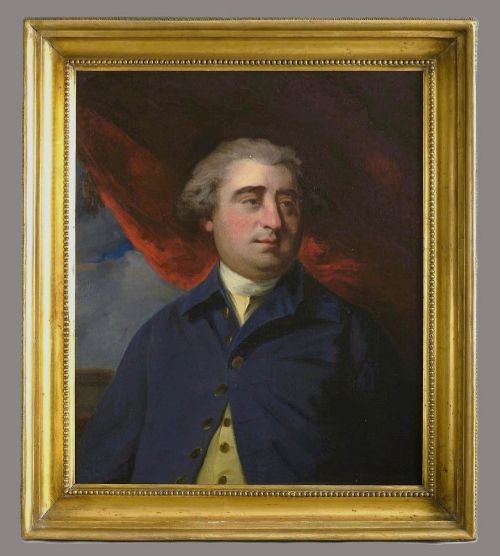
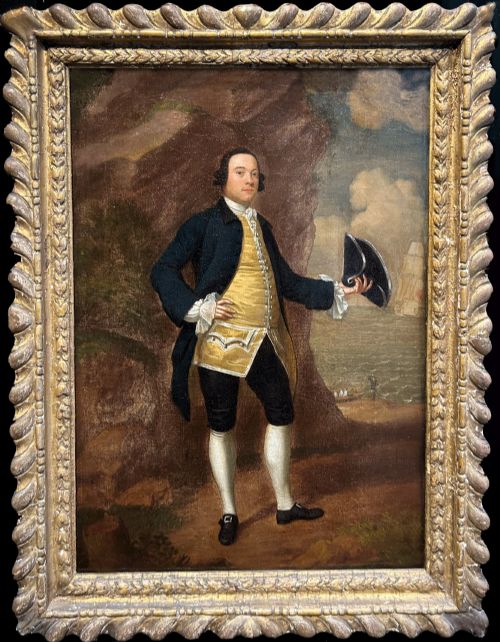
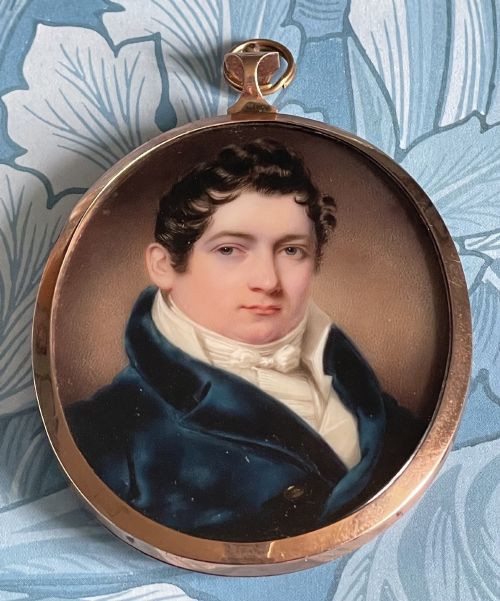
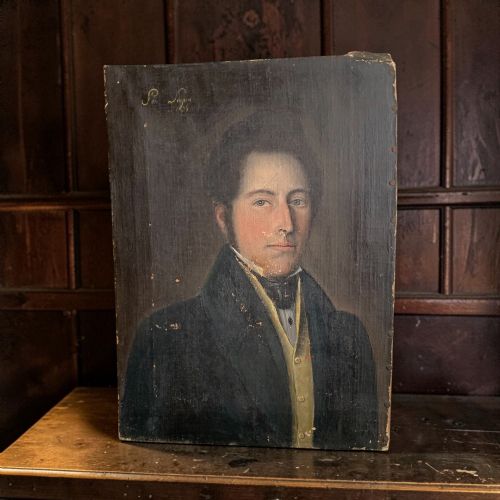
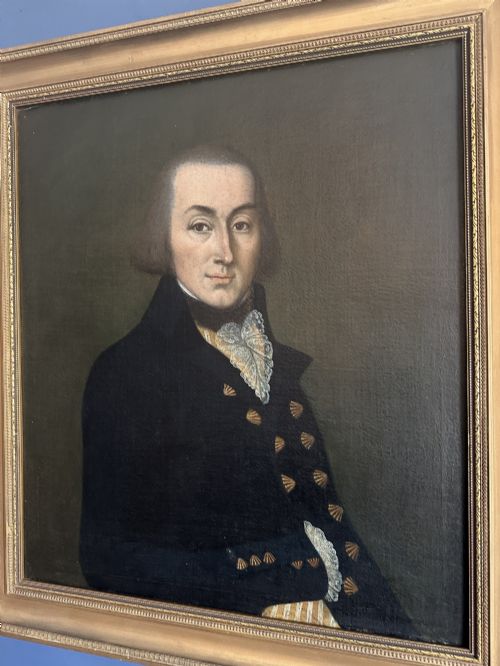
A blue coat gentleman portrait captures male subjects wearing distinctive blue garments across the seventeenth, eighteenth, and nineteenth centuries. You will find these works rendered primarily as oil paintings on canvas or panel, alongside intimate portrait miniatures on paper and ivory.
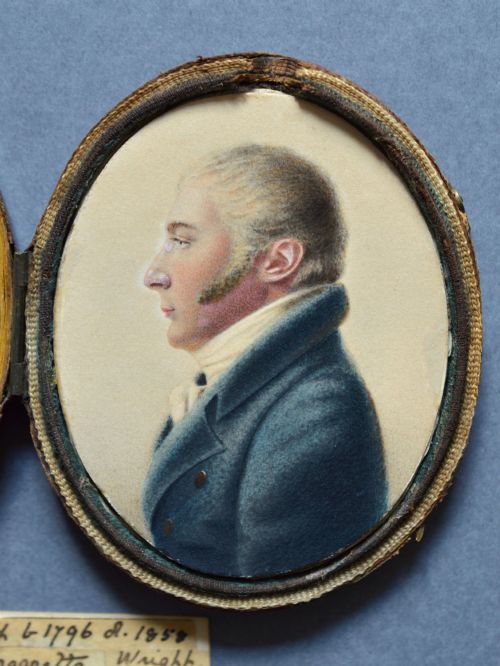
The selection ranges from large grand manner oil paintings down to small watercolour miniatures and cut-out profiles. Seventeenth-century examples emerge from Baroque traditions, while Regency and Georgian pieces dominate the broader selection with direct representations of merchants, officers, and private individuals.
Works originate from named British and European painters, studio circles, and naive schools alike. This variety lets collectors choose between grand formal canvases and characterful provincial watercolours.
Materials and construction methods
Painters built oil portraits using pigment suspended in oil applied to stretched canvas, wooden panels, or occasionally copper sheets. Artists layered translucent glazes over solid underpainting to create depth in the fabrics and flesh tones.
Watercolour and miniature portraits utilised fine pigments on paper or prepared support, frequently protected beneath glass and housed in gilt metal or giltwood frames. The application required precise brushwork to achieve detail on a small scale.
Frames themselves combined carved wood with giltwood finishes, providing structural support and visual definition to the artwork.
Blue Coat Gentleman Portrait Retail Price Guide 2026
Typical asking prices for blue coat gentleman portrait among the pieces listed under this phrase on Sellingantiques today, from the lower quarter to the upper quarter. They describe what is for sale here now, not the wider market.
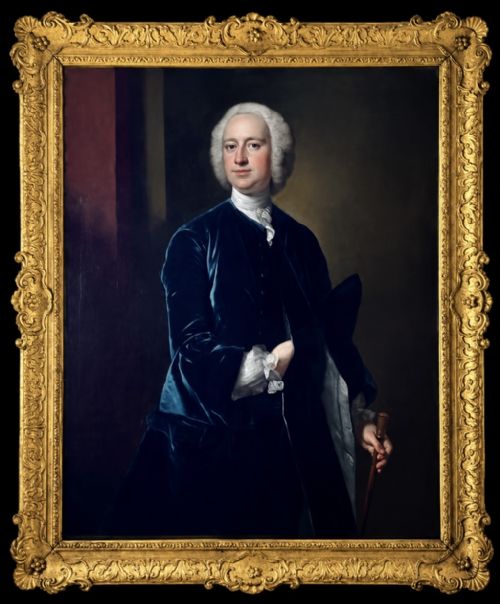
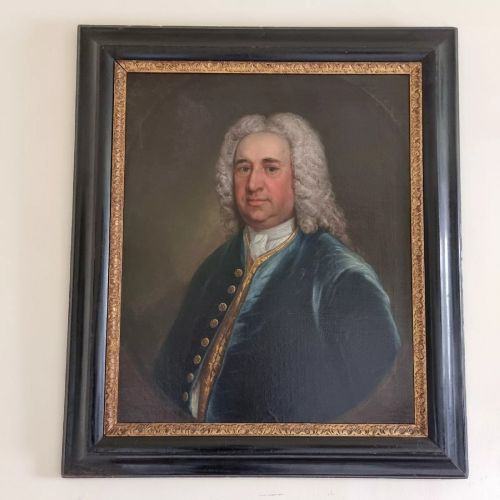
Several gentlemen captured in these paints gaze outward wearing remarkably powdered wigs and conspicuously bright blue coats.
Distinctions in execution and survival
Quality rests upon the artist's ability to render facial expression, bone structure, and textile texture with conviction. Superior hands captured the glint of light on a blue coat and the psychological presence of the sitter with assured brushstrokes.
Condition plays a central role, distinguishing works that retain their original unlined canvases and untouched pigment from those suffering heavy restoration or overpainting. The integrity of the original giltwood frame further separates standard examples from exceptional survivals.
Constantyn Netscher·Lemuel Francis Abbott·Sir Joshua Reynolds·Francis Hayman·Thomas Hudson·William Millar·Sir Thomas Lawrence·Samuel Cotes·Diana Hill·Nathaniel Bermingham·Edward Alcock·Enoch Seeman·Frans van der Mijn·Sir Godfrey Kneller·Jonathon Richardson·Allan Ramsay·George Francis Joseph·James Latham·Francis Alleyne·John Downman·Henry Walton
The Blue Coat Gentleman Portrait Glossary
- Portrait miniature
- A small-scale painting designed for intimate viewing, often executed on vellum, paper, or card. These works frequently featured personal mementos on the reverse.
- Oil on canvas
- A painting medium where pigments are bound with drying oils and applied to woven fabric. This technique allowed artists to blend colours smoothly and achieve rich tonal depth.
- Giltwood
- Wood that has been coated with a thin layer of gold leaf or powder. It provides a bright, reflective border for oil paintings and miniatures.
- Circle of
- A designation indicating the artist worked in the style and vicinity of a master, potentially sharing a workshop. This differs from a direct attribution to the master's own hand.
- Regency
- A period spanning the early nineteenth century defined by neoclassical elegance in portraiture and furnishings. Works from this time often display softer colour palettes and relaxed poses.
Blue Coat Gentleman Portrait: Frequently Asked Questions
What is a blue coat gentleman portrait?
These artworks depict male subjects wearing blue coats, produced from the seventeenth century through the Victorian era. They serve as historical records of fashion, status, and individual identity.
Subjects range from naval captains and physicians to private gentlemen and politicians. Painters used oil, watercolour, and pastels to record their likenesses.
How were these portraits displayed originally?
Large oil paintings hung in the panelled rooms and reception halls of country houses and town residences. They projected family lineage and social standing to visitors.
Miniatures and watercolours were kept in private chambers, carried in pockets, or worn as lockets. Their intimate scale suited personal keepsakes and travel.
How do I date a portrait by its clothing?
Changes in tailoring, cravats, and wigs offer reliable clues to a painting's era. Seventeenth-century styles feature flowing hair and heavy drapery, while eighteenth-century subjects often wear powdered wigs and tailored coats.
Regency pieces show high-collared coats and white cravats. Comparing costume details with dated examples clarifies the timeline.
How do I care for an antique painting?
Keep oil paintings and watercolours away from direct sunlight and damp environments to prevent pigment fading and canvas degradation. Stable room temperatures protect both the canvas and the wooden frame.
Avoid using liquid cleaners on the painted surface. Consult a professional conservator if the canvas requires cleaning or structural repair.