




Blue Coastal Landscape
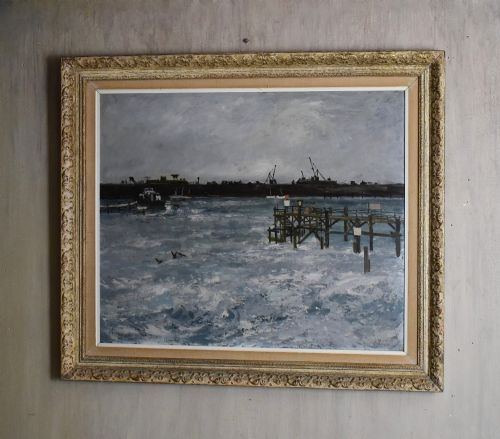
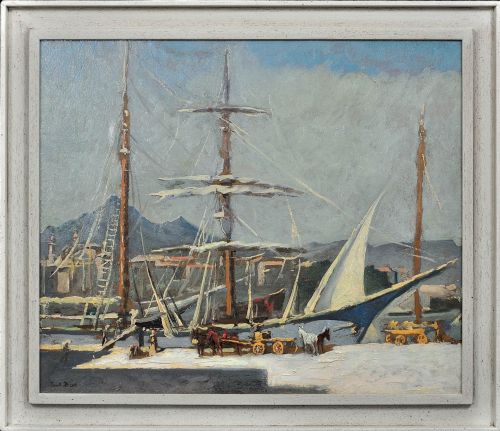
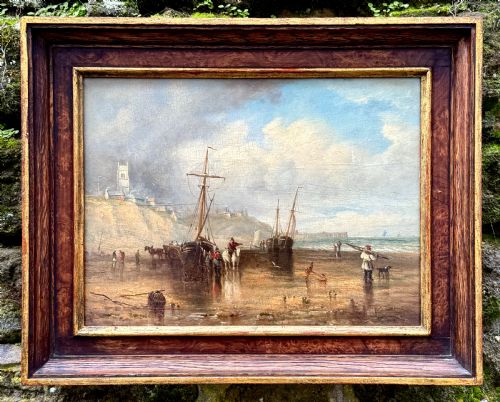
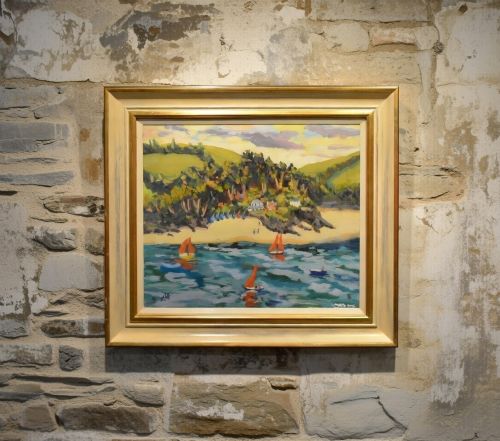
A blue coastal landscape captures the shifting moods of the sea and shore through the hands of artists working across the nineteenth and twentieth centuries.
Blue Coastal Landscape
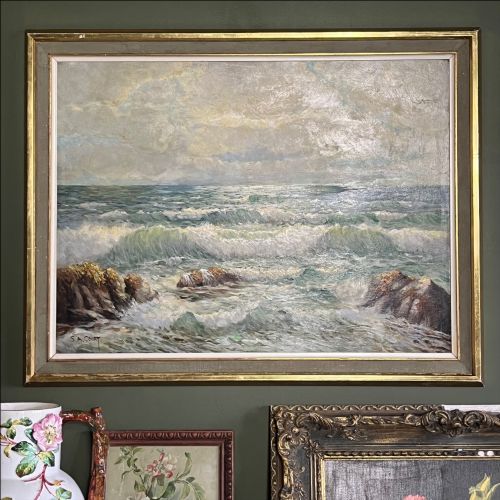
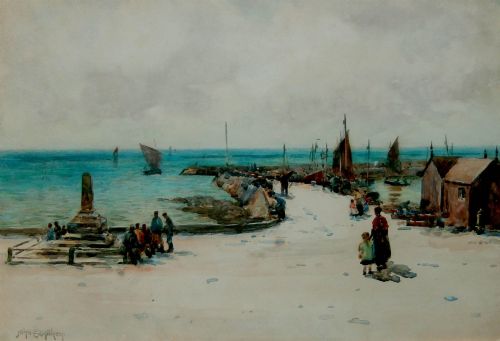
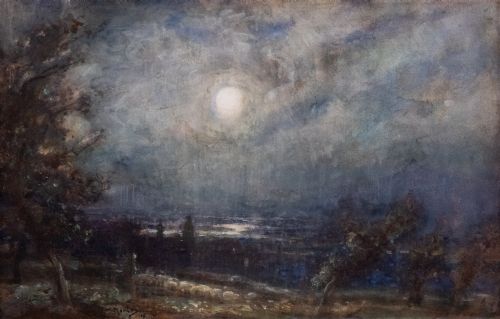
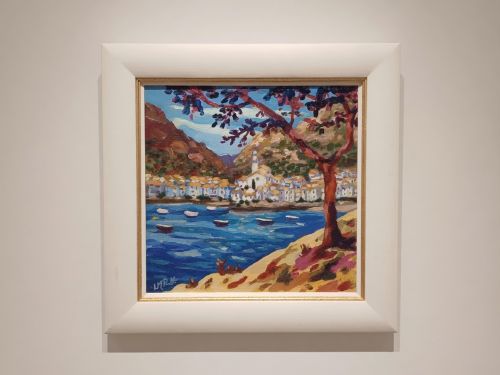
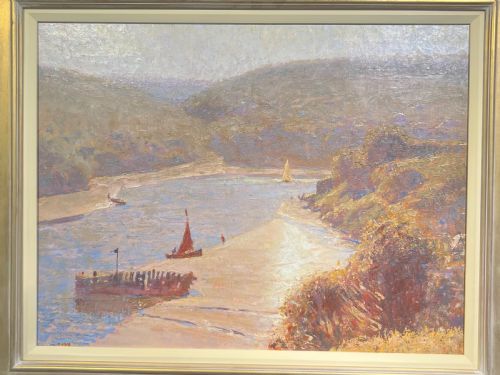
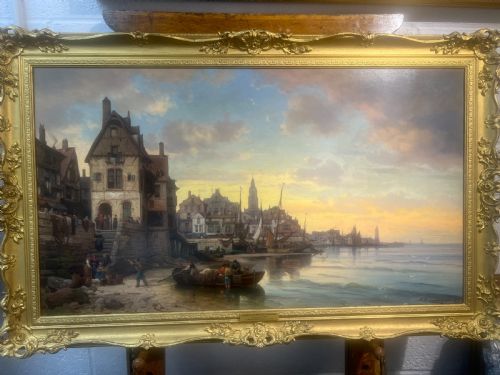
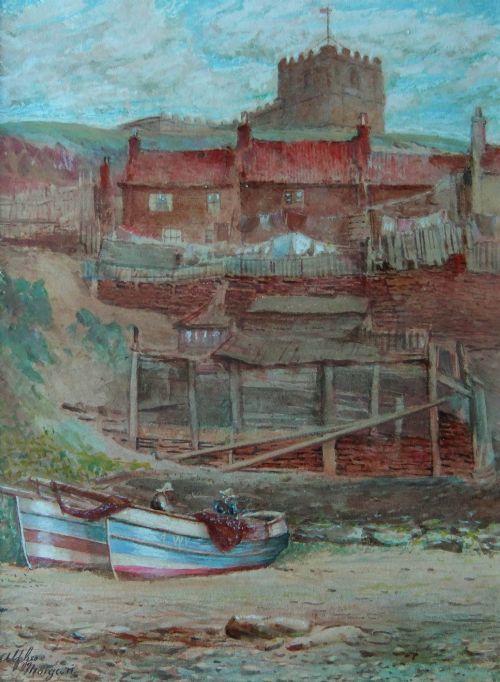
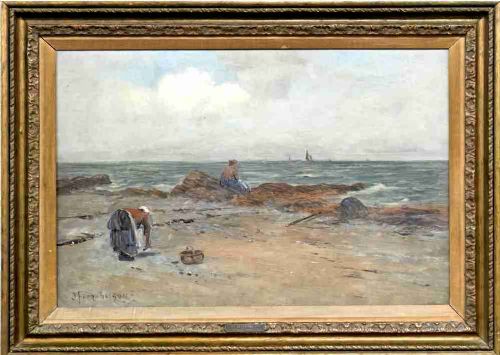
A blue coastal landscape brings together maritime views, sandy bays, and bustling harbours, reflecting topographical interest and plein air observation. The works on this page span from the late nineteenth century through to the later decades of the twentieth century, capturing regional British shores as well as continental European coasts.
Most pieces take the form of framed paintings on canvas or paper, rendered in oil or watercolour. Collectors encounter scenes ranging from quiet estuaries and moonlit havens to busy fishing ports with boats at anchor.
Materials and technique
Artists utilise oil paint on canvas or board alongside delicate watercolour pigments on paper, sometimes incorporating gouache for opaque highlights. Works often rely on en plein air techniques to capture immediate atmospheric changes by the water.
Framed presentation is standard, protecting fragile paper supports behind glass or mounting robust canvas works in timber frames that suit the period of creation.
Materials recorded across the inventory include oil paint, watercolour, gouache, canvas, paper, and wood.
What defines quality
Quality rests upon the artist's ability to render light, movement, and atmosphere, distinguishing confident brushwork from rigid or formulaic illustration. Provenance and secure attribution to known painters elevate a work significantly.
The condition of the medium matters greatly, particularly for watercolours on paper where fading or foxing can diminish the visual impact of the coastal palette.
James Orrock·Thomas William Morley·Joseph Farquharson·Henry Barlow Carter·Jean Baptiste Olive
The Blue Coastal Landscape Glossary
- En plein air
- Painting outdoors to capture natural light and direct visual effects. This method allows the artist to record fleeting atmospheric conditions on the coast.
- Gouache
- An opaque water-based paint used alongside transparent watercolour. It provides dense highlights and solid areas of colour in works on paper.
- Impasto
- Paint applied thickly to a canvas so that it stands proud of the surface. This technique adds tactile texture to sea foam or rocky cliffs.
- Provenance
- The documented history of ownership of an artwork. A clear chain of custody supports the authenticity and value of a painting.
Blue Coastal Landscape: Frequently Asked Questions
What is a blue coastal landscape?
It is an artwork depicting marine views, beaches, and harbours where blue tones dominate the sea and sky.
These pieces reflect maritime heritage and coastal topography from various historical periods.
How do I care for watercolour paintings?
Watercolours on paper require protection from direct sunlight to prevent fading of the pigments.
Keep them away from damp environments and ensure they remain framed behind protective glass.
How can I date my painting?
Dating relies on stylistic clues, artist signatures, framing methods, and materials such as canvas weaves or paper watermarks.
Comparing the piece with known works by the same artist helps narrow down the period of creation.
Where were these scenes usually painted?
Artists often set up their easels directly on British shores like Cornwall, Yorkshire, and Dorset, or travelled to European coasts in France, Italy, and Scandinavia.
These locations offered shifting light and working harbours that attracted painters of the nineteenth and twentieth centuries.