





Blue Ceramic Staffordshire Pitcher
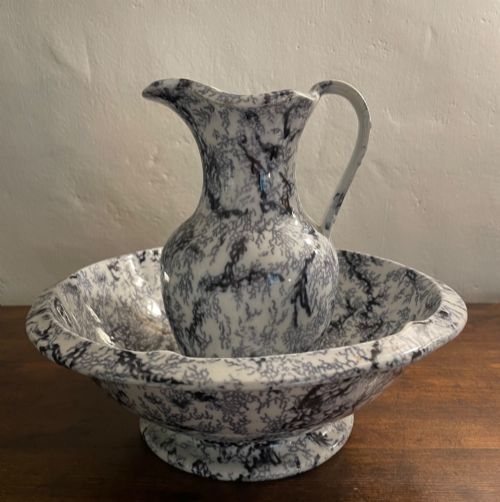
A blue ceramic staffordshire pitcher brings the robust earthenware traditions of nineteenth-century potteries straight to a table.
Blue Ceramic Staffordshire Pitcher
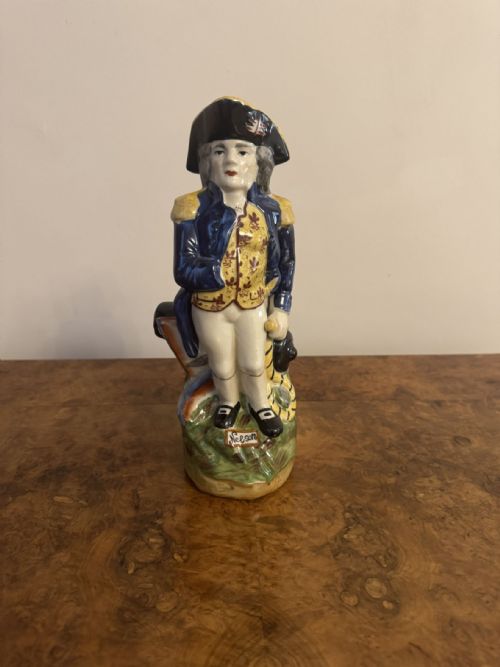
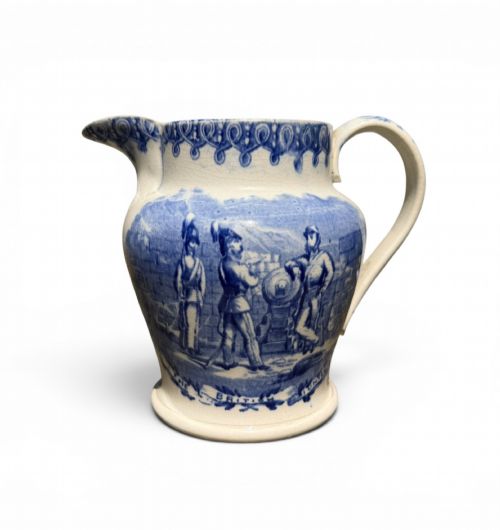
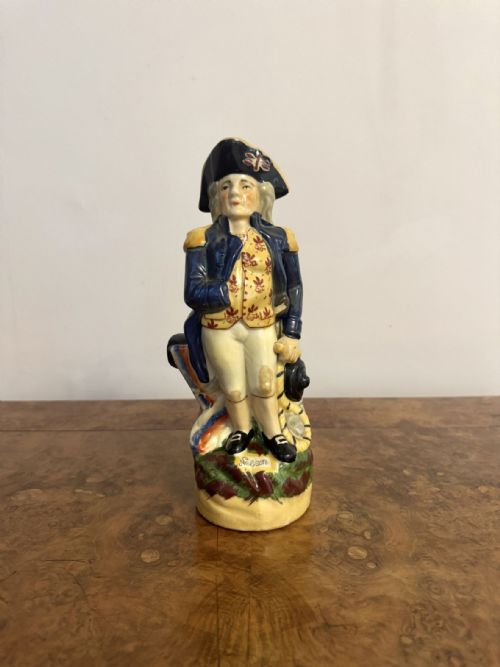
A blue ceramic staffordshire pitcher encompasses functional vessels and character jugs produced across the nineteenth century, including Georgian and Victorian periods. Buyers encounter large blue and white transfer-printed vessels alongside figural toby jugs and creamers.
The selection ranges from early nineteenth-century flow blue basins and jugs to graduated sets of blue and white pitchers. Examples incorporate regional styles such as Georgian folk art and Staffordshire pottery traditions.
Materials and construction
Potters shaped these pieces from earthenware and ironstone china, applying lead glazes and ceramic glaze to seal the porous body. Decoration relied on paint, enamel work, and blue transfer printing to render detailed scenes and patterns.
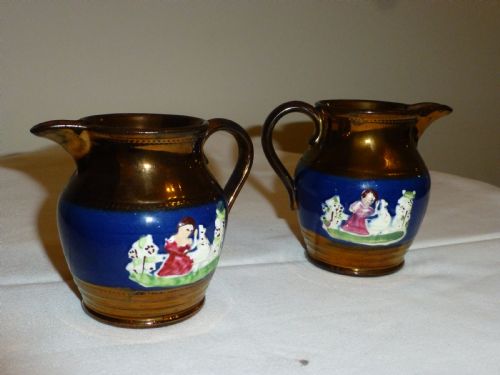
Firing techniques of the period produced substantial vessels like one-gallon jugs alongside delicate cream jugs, finished with copper lustre or smooth coloured glazes.
The listings span the nineteenth century, capturing Georgian, Regency, and Victorian eras through earthenware, ironstone, and transfer-printed ceramics.
Assessing quality
Quality rests upon the clarity of the blue transfer printing and the crispness of moulding in figural toby jugs such as Lord Nelson or the Squire. Superior examples display even glaze coverage and well-preserved enamel details without blurring.
Graduated sets and matched pairs demonstrate greater skill in proportion and consistent firing across multiple sizes, distinguishing standard utility wares from decorative display pieces.
Keeling & Co
The Blue Ceramic Staffordshire Pitcher Glossary
- Flow blue
- A type of cobalt blue transfer printing where the colouring agent bleeds slightly into the surrounding white glaze during the kiln firing. This creates a soft, hazy outline rather than a sharp image.
- Toby jug
- A pottery jug shaped as a full-seated figure, usually a robust eighteenth or nineteenth-century character holding a mug of beer and a pipe. They often depict specific historical figures or archetypes like the Squire.
- Ironstone china
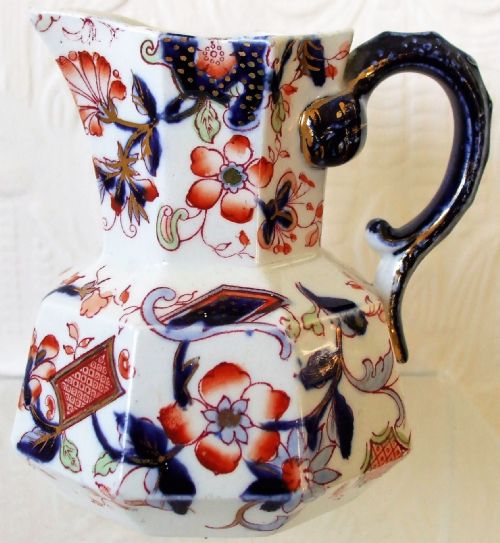
- A patented type of heavy earthenware developed to resemble porcelain while offering greater durability. It provides a dense, sturdy body for large jugs and footbath pitchers.
- Transfer printing
- A decoration technique where an engraved copper plate transfers a design onto tissue paper, which is then pressed onto the ceramic body before glazing. It allowed complex pictorial scenes to be replicated quickly.
Blue Ceramic Staffordshire Pitcher: Frequently Asked Questions
How do I date a Staffordshire pitcher?
Dating relies on stylistic clues, ceramic bodies like ironstone, and the presence of specific transfer-printed patterns or glaze types such as flow blue.
Earlier pieces often feature Georgian or Regency forms, while mid-to-late nineteenth-century examples display distinct Victorian characteristics and moulding styles.
Were these pitchers used daily?
Many large blue and white jugs and basins served practical domestic functions for washing or serving liquids in the household.
Figural toby jugs and decorative creamers were also utilised in dining and social settings, combining utility with robust ceramic display.
What is a cow creamer?
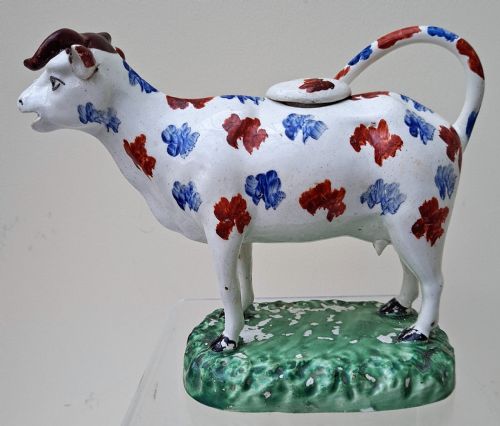
A cow creamer is a small ceramic vessel shaped like a cow, designed to hold cream poured through an opening on the back.
These whimsical containers formed part of traditional pottery production in Welsh and English workshops during the Georgian and Victorian eras.
How should I clean antique earthenware?
Careful washing in warm water with mild soap protects the fragile lead glazes and delicate enamel or painted surface details.
Harsh scrubbing and dishwashers should be avoided to prevent damage to the historic ceramic body and historical finishes.