


Blue Ceramic Saucer
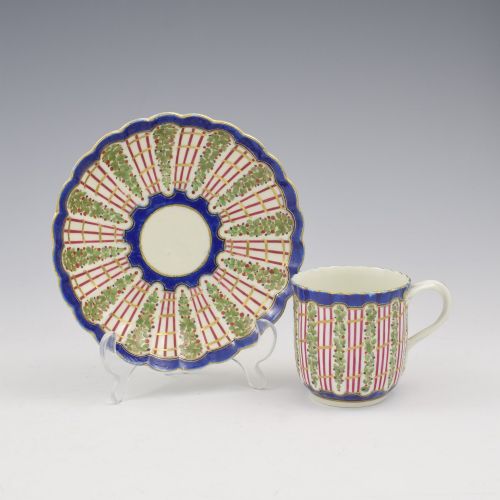
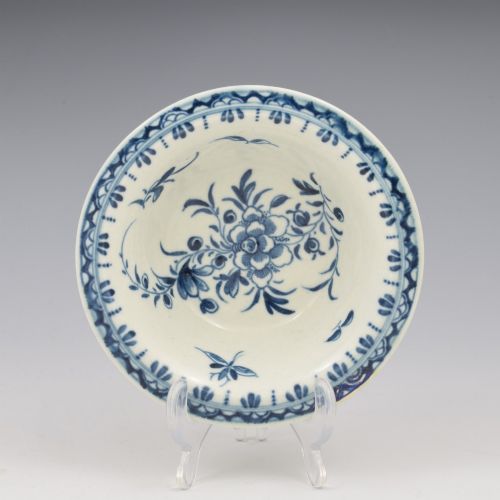
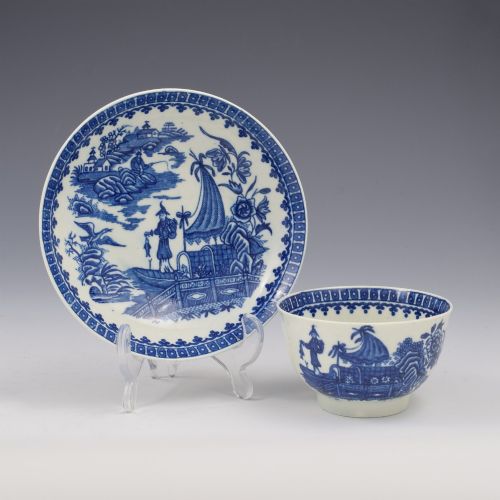
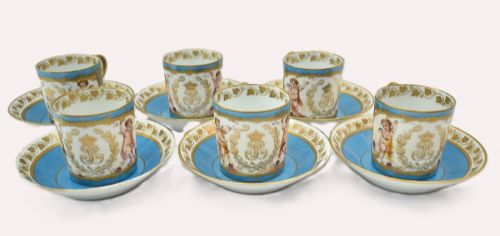
A blue ceramic saucer brings the painted cobalt and crisp paste of eighteenth and nineteenth century tea tables into modern rooms.
Blue Ceramic Saucer
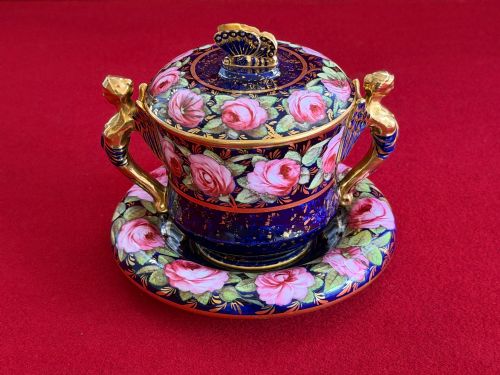
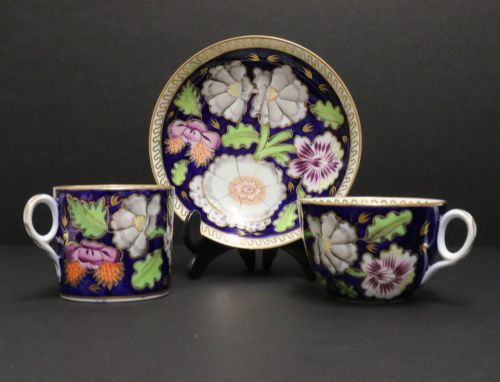
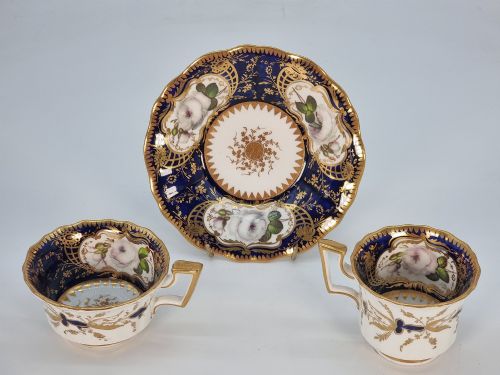
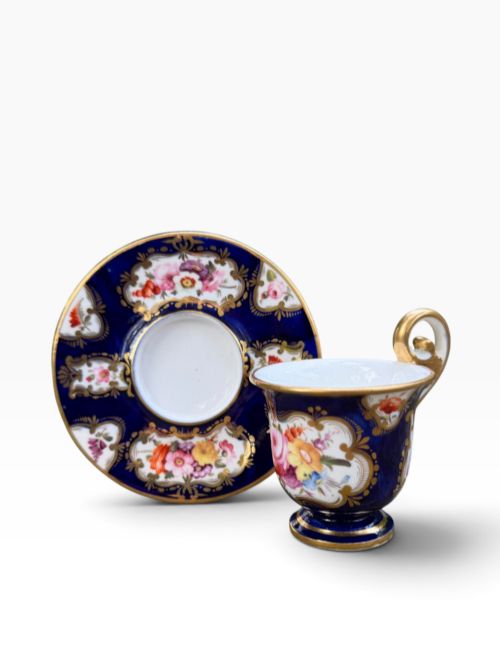
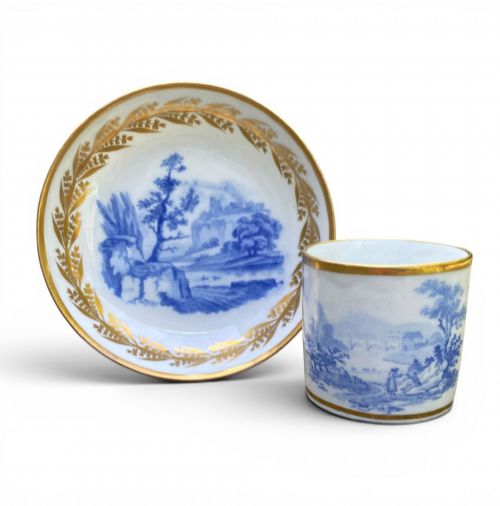
A blue ceramic saucer is a small, curved plate designed to accompany a teacup, coffee can, or tea bowl, originating primarily from English factories and East Asian kilns across the eighteenth and nineteenth centuries. These pieces appear in forms ranging from standard tea saucers to deep saucer-dishes and cabinet pieces, produced during periods including the Georgian, Regency, and Victorian eras.
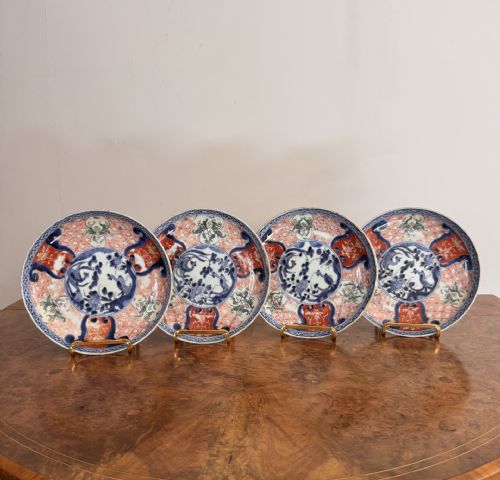
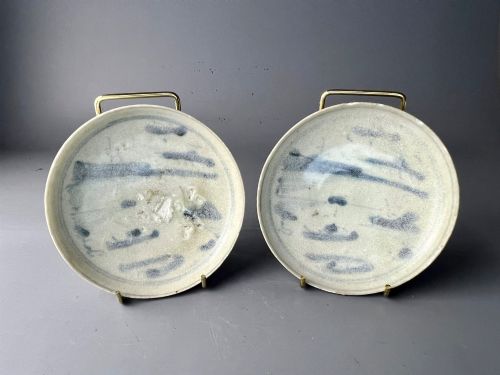
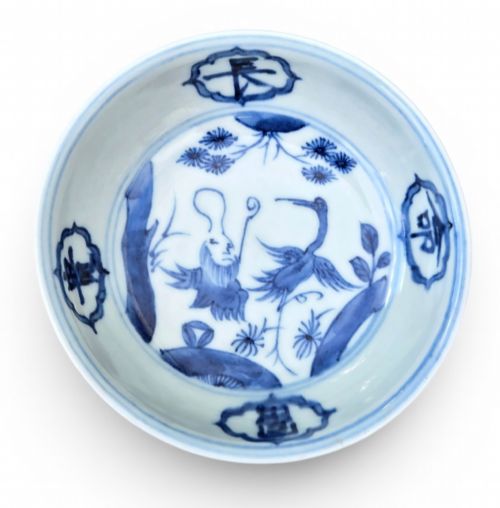
The items encountered on this page span English porcelain works like Worcester, Coalport, and Spode, alongside Chinese export wares and Japanese Imari and Arita pieces. Collectors find domestic bone china and soft-paste porcelain alongside imported porcelain and early English delftware, reflecting global trade and local manufacturing shifts.
How they were made
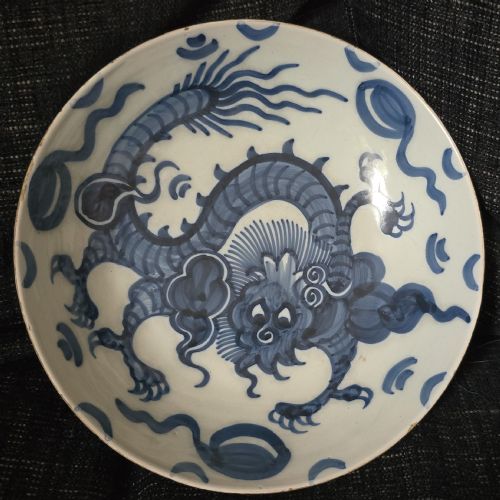
Makers formed these pieces using soft-paste porcelain, bone china, and English delftware, shaping them on wheels or pressing them into moulds before applying underglaze blue painting or hand-gilded and enamelled decoration. Factories such as Worcester and Spode utilised cobalt oxide for blue designs, firing the pieces at high temperatures to vitrify the ceramic body.
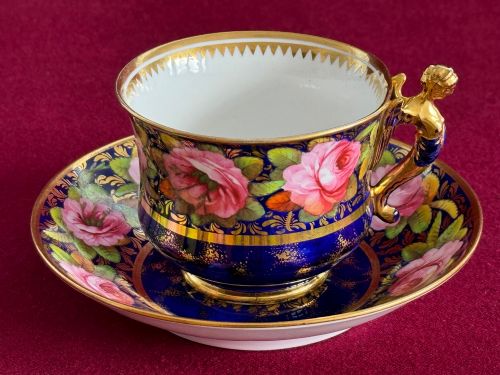
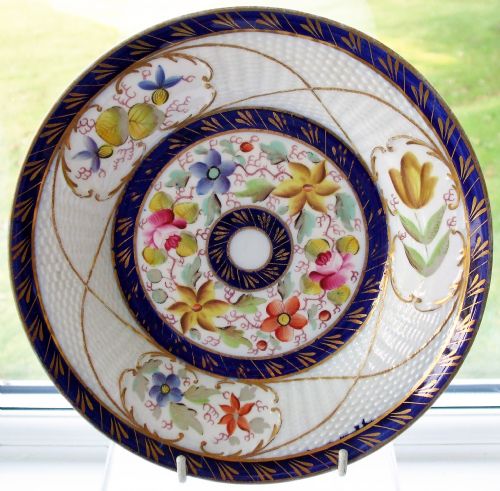
Finishing touches often involved gold leaf, gilding, and enamel highlights applied over the glaze, which required secondary low-temperature firings to bond the metallic and coloured details to the ceramic surface.
Blue Ceramic Saucer Retail Price Guide 2026
Typical asking prices for blue ceramic saucer among the pieces listed under this phrase on Sellingantiques today, from the lower quarter to the upper quarter. They describe what is for sale here now, not the wider market.
Listings feature porcelain, bone china, and soft-paste porcelain across the 18th Century, 19th Century, Georgian, and Regency periods.
What varies in quality
Quality rests on the crispness of the cobalt painting, the translucency and purity of the porcelain body, and the precision of the gilding or enamel work applied by the factory. Pieces featuring hand-painted details like the Hop Trellis or Cormorant patterns display greater artistic control than standard transfer-printed equivalents.
The finesse of the potting, the thinness of the porcelain paste, and the stability of the glaze during high-temperature firing separate standard utility wares from cabinet-quality pieces produced by leading eighteenth and nineteenth century manufactories.
Spode·New Hall·Coalport·Sevres·Gardner Moscow Factory·Moser·Minton·Yates
The Blue Ceramic Saucer Glossary
- Soft-Paste Porcelain
- A ceramic composition made from glass frit and white clay, fired at lower temperatures than hard-paste porcelain. This body type absorbs light differently and often shows slight warping from the kiln.
- Bone China
- A porcelain type containing bone ash, invented to increase strength and whiteness while allowing thinner walls. It forms the base of many nineteenth-century English saucers.
- Underglaze Blue
- A decoration technique using cobalt oxide painted directly onto the unfired or biscuit ceramic body before glazing and firing. The resulting blue design sits beneath the clear glaze, protecting it from wear.
- Cabinet Trio
- A matched set consisting of a teacup, coffee can, and saucer intended for display rather than daily service. These pieces typically exhibit high-end painting and gilding.
- Imari
- A style of Japanese export porcelain featuring deep underglaze cobalt blue combined with iron red, green, and gold highlights. The aesthetic was widely copied by European factories during the Georgian period.
Blue Ceramic Saucer: Frequently Asked Questions
How do I date an antique saucer?
Dating relies on factory marks, the composition of the paste, and stylistic markers such as fluting or bat-wing patterns. Examining the foot ring and the depth of the glaze provides further clues to the manufacturing decade.
English pieces from the eighteenth century often feature soft-paste bodies with distinct glaze pooling, while nineteenth-century items introduce refined bone china and printed registry marks.
Can I use these saucers for serving tea?
While these pieces were originally functional tableware, antique porcelain is fragile and susceptible to thermal shock and modern detergents. Using them daily risks damaging delicate glazes and historical gilding.
Most collectors choose to display cabinet pieces or use them strictly for dry presentation rather than active beverage service.
What is the difference between a tea bowl and a teacup?
Tea bowls are small, handleless vessels derived from Chinese prototypes, popular during the eighteenth century for drinking hot tea. Teacups incorporate applied handles for gripping, becoming standard in European manufacturing by the Regency period.
Both forms share matching saucers within surviving sets and trios.
How should I clean porcelain saucers?
Cleaning requires gentle hand washing in lukewarm water with a mild soap, avoiding abrasive sponges or soaking. Enamelled and gilded surfaces are particularly vulnerable to harsh chemicals and scrubbing.
Items should be dried immediately with a soft cloth to prevent water spots on the antique glaze.