



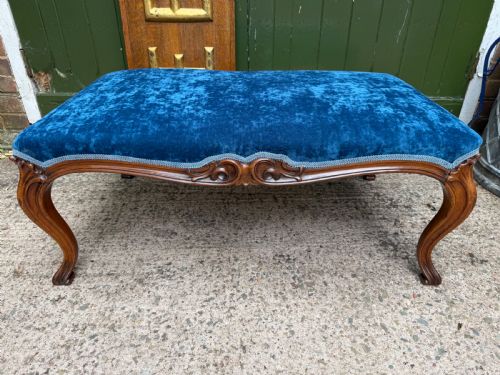


Blue Bench Footstool
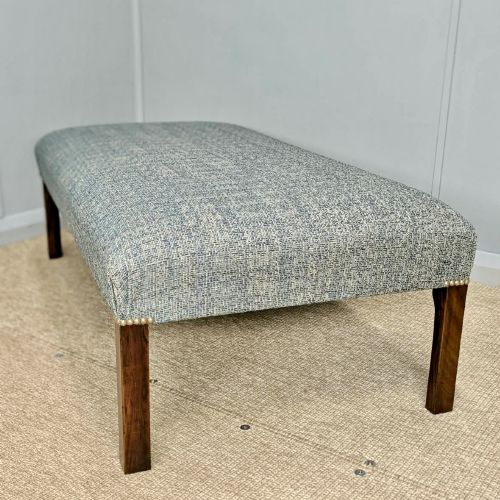
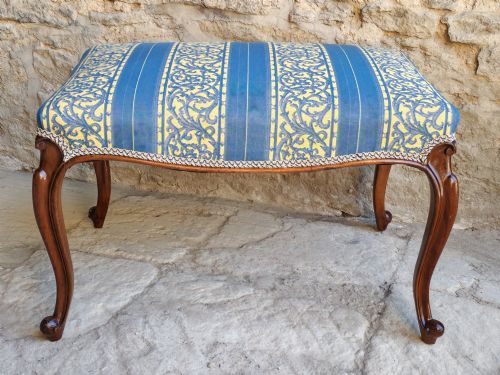
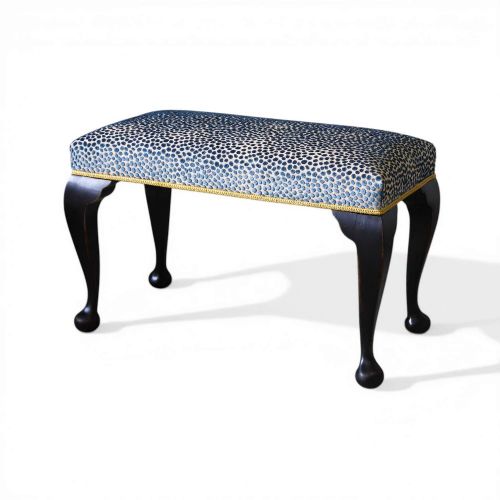
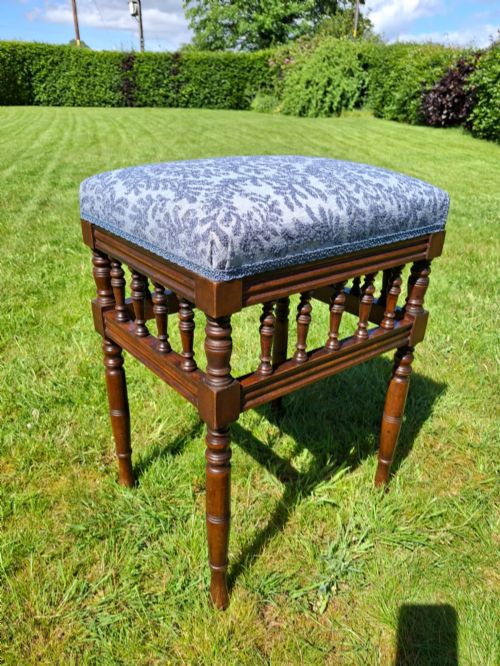
A blue bench footstool brings rich textile colour and solid timber framing to a room, offering a practical seat or prop for tired feet.
Blue Bench Footstool
When you search for a blue bench footstool, you are looking at low seating furniture designed for comfort and interior styling. These pieces take various forms, from simple square footstools to grand ottomans, piano stools, and long window seats. The examples found here span the nineteenth century, the Edwardian era, and the Regency period.
Most items you will meet on this page rely on traditional timber frames paired with upholstered tops covered in textile fabrics. The designs draw on diverse historical styles, including English Country House, Chippendale, Queen Anne, William IV, and French Empire. They function equally well as footrests, dressing table seats, or low benches.
The materials used in their construction include solid woods like mahogany, walnut, rosewood, and ebonised timber, often detailed with brass accents. Upholstery fabrics range from plain velvets to intricate needlepoint designs. Each piece reflects the cabinet-making standards of its specific period, combining structural woodwork with textile arts.
How they were made
Makers built these frames using hardwoods such as mahogany, walnut, and rosewood, employing traditional joinery methods to ensure long-term stability. Turned legs, square supports, and X-frame structures provided the underlying support for the padded tops.
Upholstery formed a central part of the construction, utilising fabrics, textiles, and velvet stretched over padded foundations. Details like brass fittings and ebonised finishes appeared on specific Regency and Edwardian pieces to enhance the visual appeal of the woodwork.
Blue Bench Footstool Retail Price Guide 2026
Typical asking prices for blue bench footstool among the pieces listed under this phrase on Sellingantiques today, from the lower quarter to the upper quarter. They describe what is for sale here now, not the wider market.
What varies in quality
The standard of timber selection and cabinet work marks the difference between basic utility seating and finer examples. Dense hardwoods like rosewood and figured walnut indicate a higher grade of manufacture compared to simpler woods.
The execution of the frame design, whether through finely turned legs, balanced X-frames, or detailed needlepoint upholstery, determines the sophistication of the piece. Superior items show careful attention to both the structural frame and the textile finish.
The Blue Bench Footstool Glossary
- Ottoman
- A low upholstered seat or bench without a back or arms, often designed for domestic living spaces. It functions as a footrest or additional seating.
- X Frame
- A structural furniture base formed by two intersecting diagonal members shaped like the letter X. This form provides stable support for stools and benches.
- Ebonised
- Timber treated with a dark finish to imitate expensive ebony wood. This technique appears frequently on nineteenth-century frames.
- Regency Style
- A design aesthetic reflecting the British Regency period, characterised by classical motifs and balanced proportions. Pieces in this style often incorporate mahogany or rosewood.
Blue Bench Footstool: Frequently Asked Questions
What is a blue bench footstool?
A blue bench footstool is a low seat or rest upholstered in blue fabric, supported by a timber frame from periods like the nineteenth century or the Edwardian era.
These items serve multiple domestic purposes, acting as footrests, dressing table seats, window benches, or small occasional pieces in a room.
How do I date a footstool?
Dating relies on identifying the timber used, the joinery methods, and the stylistic details of the frame. Characteristics such as turned legs or X-frames point to specific historical eras.
Comparing the woodwork and upholstery style to known period examples helps establish whether a piece originates from the Regency, Victorian, or Edwardian periods.
Where should I place a footstool?
These low seats fit naturally in living rooms before armchairs and sofas, or at the foot of a bed for resting clothes. They also suit hallways and dressing rooms.
Because of their compact size, they move easily between rooms to provide flexible seating wherever it is needed.
How do I care for antique upholstery?
Maintenance involves gentle cleaning appropriate to the specific textile used on the seat, avoiding harsh chemicals that might damage historical fabrics. Regular dusting keeps the surface clean.
Protecting the wood frame with suitable polishes preserves the timber, while keeping the piece away from direct sunlight prevents fabric fading.