


Blue Background Wall Art
Blue background wall art brings together centuries of portraits and still lifes defined by their distinctive backdrops.
Blue Background Wall Art
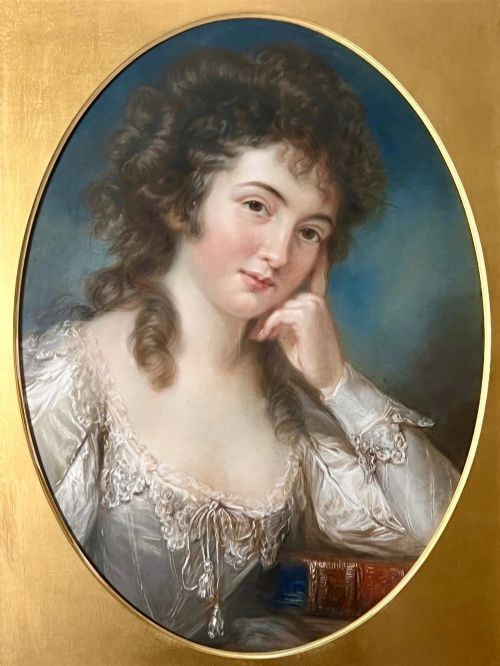
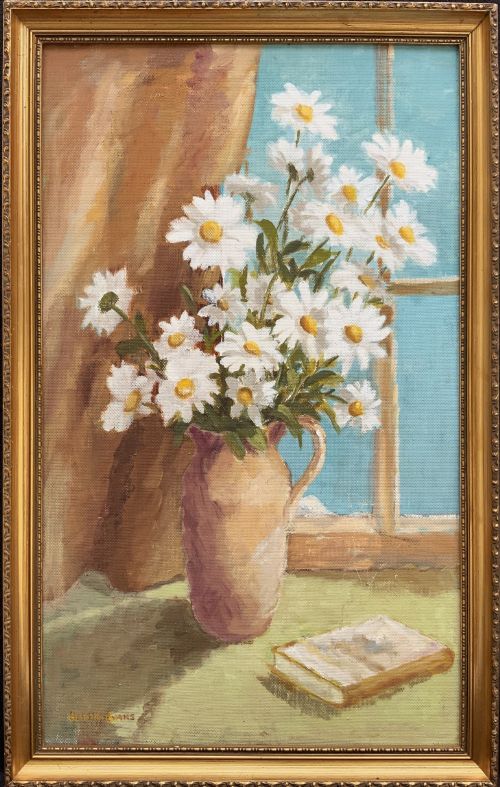
Blue background wall art encompasses paintings and fine art spanning from the eighteenth century to later than nineteen sixty, including oils, watercolours, and pastels. Buyers examining this selection encounter various historical portraits, botanical subjects, and still life compositions.
The objects listed range from Georgian works and Victorian pieces to mid-century impressionism and realism. These pieces originate from different European schools and periods, offering diverse aesthetic approaches to the framed painting format.
Materials and techniques
Artists utilise traditional supports such as canvas, paper, and wood panel for their compositions. Pigments are applied as oil paint, watercolour, or pastel to build the imagery.
Gilded elements like gold leaf appear on certain frames and surfaces, adding reflective quality to the finished wall art.
The selection includes works from the eighteenth, nineteenth, and twentieth centuries, spanning Georgian to mid-century modernist styles.
Distinctions in quality
Quality rests upon the precision of brushwork and the handling of light within the composition. Masterful execution in portraiture or still life separates routine decorative pieces from accomplished works.
The condition of the original surface, whether oil on canvas or delicate pastel on paper, influences the visual impact of the piece. Preservation of the pigment and the integrity of the frame contribute to overall standing.
John Russell·Vladimir Aldoshin·James Thomas Watts·M. E. Hankinson·Margaret Evangeline Wilson·Jean Denis Maillart·Henry Wyatt
The Blue Background Wall Art Glossary
- Oil on canvas
- Pigment mixed with drying oil applied to a stretched woven fabric support. This technique allows for rich colour blending and textured surfaces.
- Pastel
- A dry medium composed of powdered pigment and a binder, used to create velvety coloured drawings on paper. It requires protective glass framing.
- Still life
- An artwork depicting inanimate subject matter, typically commonplace objects such as flowers, fruit, or tableware. These arrangements focus on form, light, and colour harmony.
- Watercolour painting
- Colour applied using water-soluble pigments on paper supports. The technique relies on translucent washes and the white of the paper for luminosity.
Blue Background Wall Art: Frequently Asked Questions
How do I hang heavy oil paintings safely?
Heavy oil paintings require sturdy fixings secured directly into wall studs or appropriate masonry plugs to support the weight of the wooden frame and canvas.
Ensure the hanging wire or brackets on the reverse match the chosen wall hook for secure placement.
Where should I place pastel portraits in a room?
Pastel portraits need protection from direct sunlight and high humidity because the dry pigment on paper is sensitive to environmental degradation.
Position these works away from windows and damp areas to preserve the delicate colours and paper support.
What lighting suits nineteenth century oil paintings?
Warm, low-intensity LED picture lights or indirect ambient lighting highlight the depth of oil paint without generating damaging heat or UV radiation.
Position the light source to minimise glare on the varnished surface of the canvas.
How do I clean antique frames?
Dust carved wooden and gilded frames gently with a dry, soft-bristled brush to remove surface debris without disturbing the finish.
Avoid using water, chemical sprays, or abrasive cloths on antique gilding or painted wooden surfaces.