

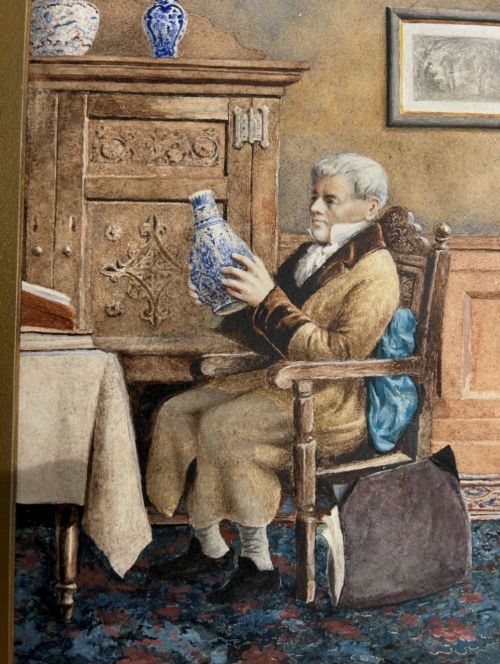
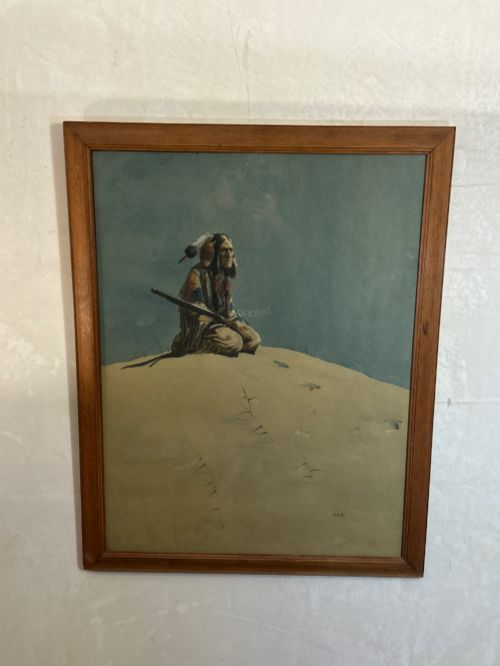
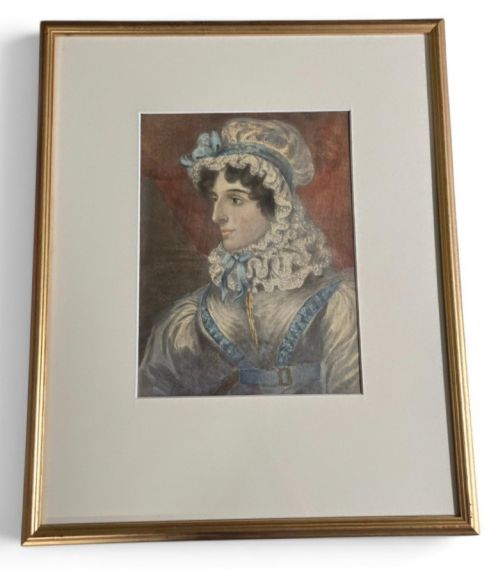
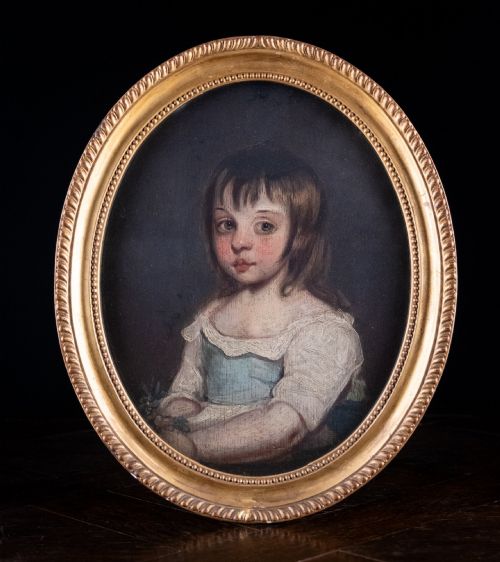
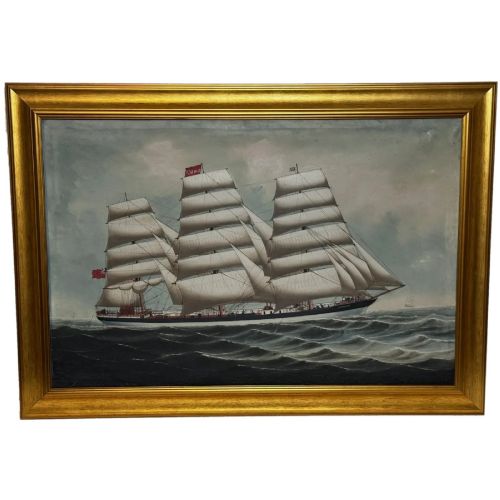
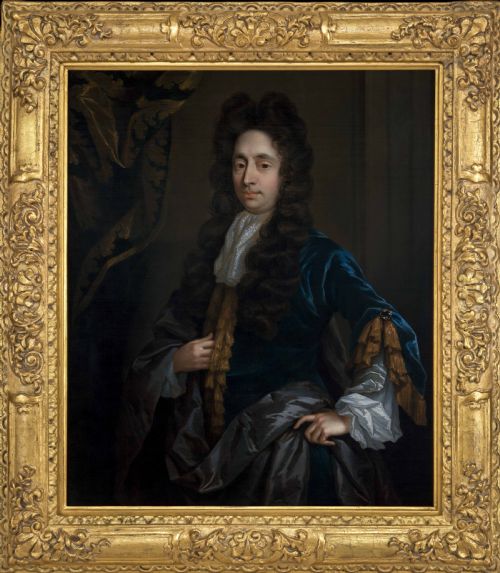
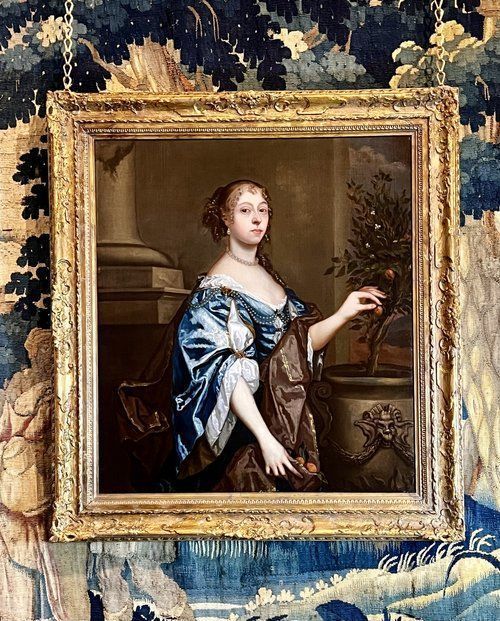
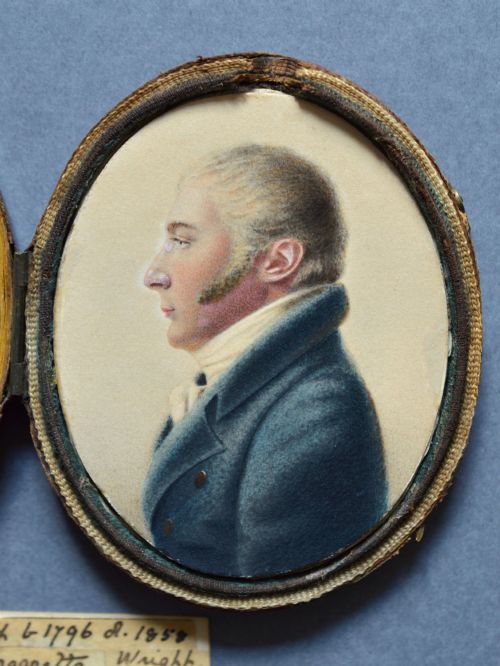
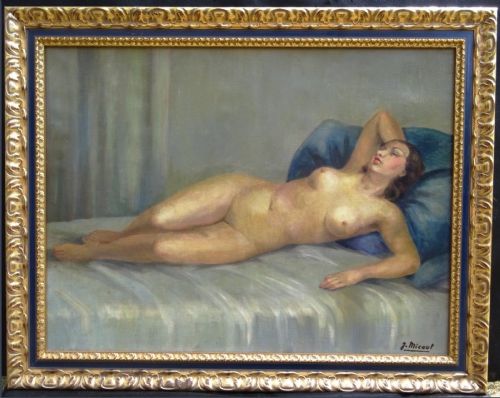
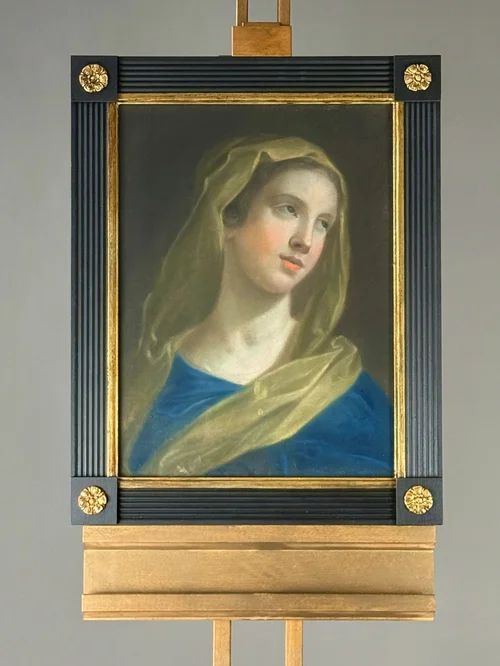
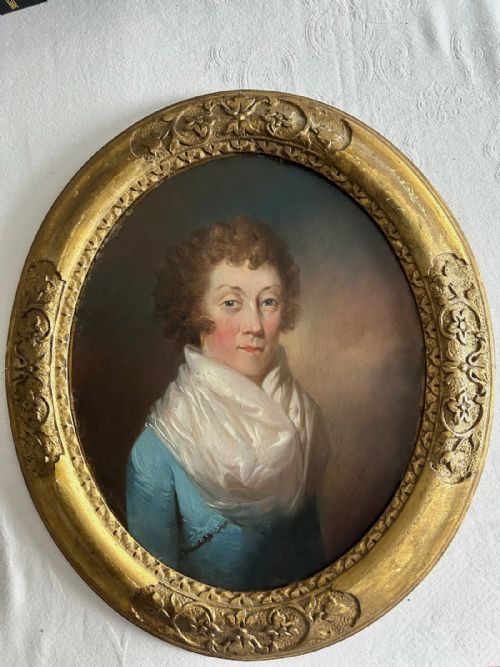
Blue Artwork Framed Portrait
These blue artwork framed portrait pieces capture centuries of painted likenesses, offering character and history for your wall.
Blue Artwork Framed Portrait
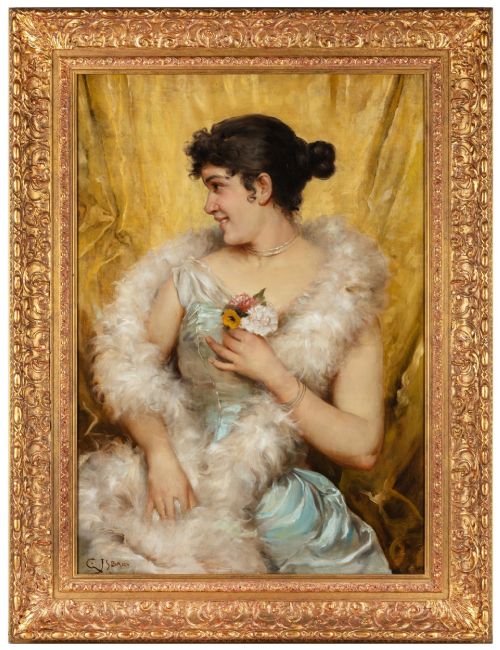
A blue artwork framed portrait brings together historic depictions of sitters accompanied by notable blue tones, robes, or backgrounds. When searching this phrase, you encounter works spanning from the seventeenth century through to the mid-twentieth century.
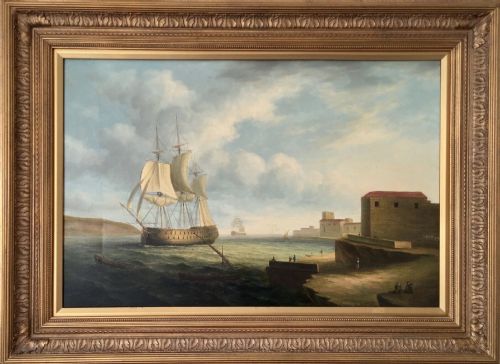
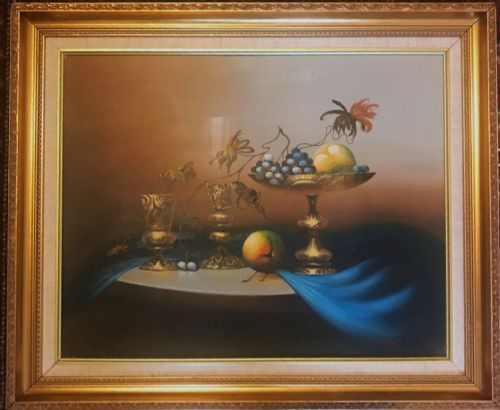
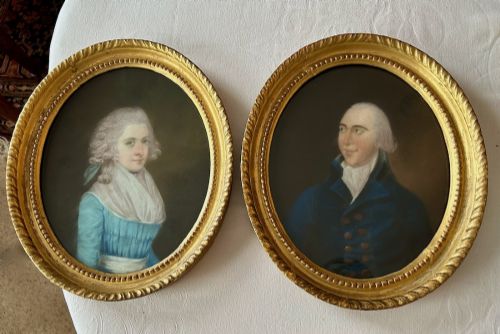
The selections range from grand oil paintings on canvas and panel to delicate pastels and watercolours on paper. Many are housed in their original or period-appropriate giltwood and wood frames.
You are most likely to meet nineteenth-century oil paintings and eighteenth-century pastels alongside earlier seventeenth-century portraits featuring distinctive azure cloaks or blue velvet dresses.
Materials and technique
Artists built these works using oil paint on canvas or wooden panel, watercolour and gouache on paper, and pastel stick on prepared boards. These mediums allowed painters to achieve rich depth in clothing and subtle shading in skin tones.
Frames are constructed from solid wood, frequently finished with carved giltwood mouldings that complement the artwork within. Glass is typically utilised to protect works executed on paper, whilst oil paintings remain open to the air.
Pigments were laboriously ground by hand in the earlier periods, contributing to the distinct lasting quality of the blues seen in seventeenth and eighteenth-century garments.
Materials recorded across the selection include oil paint, canvas, wood, paper, and giltwood.
Factors that define quality
The strength of the portraiture relies upon the artist's ability to render facial expression and anatomy with conviction. Superior pieces display confident brushwork or precise pastel blending that brings the sitter to life.
Condition of the original surface and the framing play a major role in the standing of a piece. Works retaining their untouched historic canvas, stable paint layers, and period frames represent the higher end of the range.
Constantyn Netscher·Pieter Borsseler·Benedetto Luti·Thomas Hudson·Allan Ramsay·John Russell
The Blue Artwork Framed Portrait Glossary
- Pastel
- A dry painting medium consisting of powdered pigment and a binder. It creates a velvety surface texture that requires glass protection.
- Giltwood
- Wood that has been coated with a thin layer of gold leaf or gilt gesso. It forms the decorative border of many historic picture frames.
- Panel
- A solid wooden board used as a rigid support for painting before canvas became dominant. Oak and mahogany were common choices.
- Manner
- A term indicating a work created in the style of a specific master rather than by their own hand. It reflects the influence of a prominent school.
- Attributed
- A designation given when an artwork is likely by a specific artist based on stylistic evidence, though lacking definitive proof.
Blue Artwork Framed Portrait: Frequently Asked Questions
How do I hang a heavy framed oil portrait?
Ensure you locate a secure wall stud or utilise heavy-duty wall anchors rated for the weight of the wooden frame. Using a two-point hanging system keeps the picture level over time.
Keep the artwork away from direct sunlight and strong heat sources to protect the canvas and pigments from fading or cracking.
How can I tell a pastel from an oil painting?
Pastel works have a powdery, matte texture and are sealed behind glass to prevent the pigment from smudging. Oil paintings possess a varied sheen and a textured surface built up from wet paint layers.
Examining the surface closely under a gentle light reveals the distinct presence of either canvas weave or paper grain.
How do I date an antique portrait frame?
Look at the construction methods on the reverse, including the type of corner joints and the composition of the gesso. Hand-carved wooden mouldings and historic fixings generally point to earlier centuries.
Many frames are later replacements, so compare the style and wood ageing to the period of the painting itself.