





Blue Art Pottery
Blue art pottery brings together tactile ceramic forms and rich cobalt glazes produced across the Victorian, Art Nouveau and Art Deco eras.
Blue Art Pottery
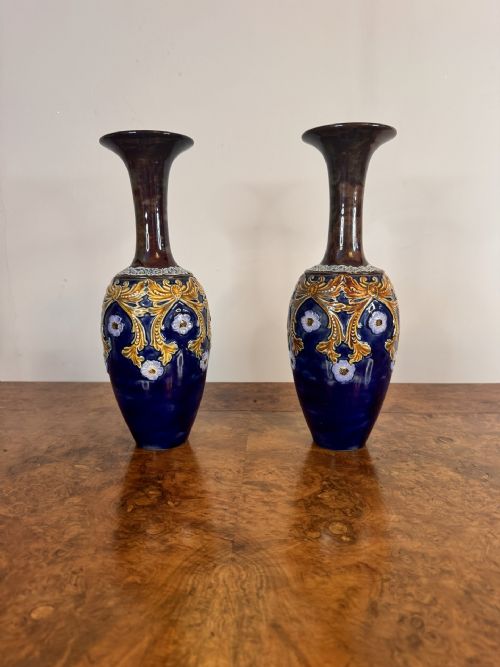
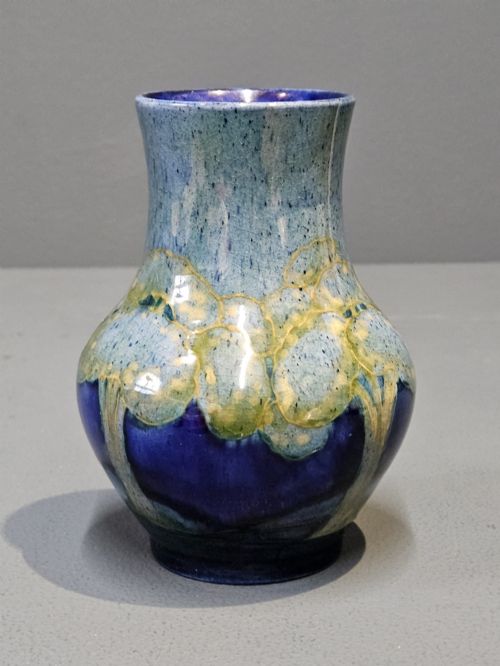
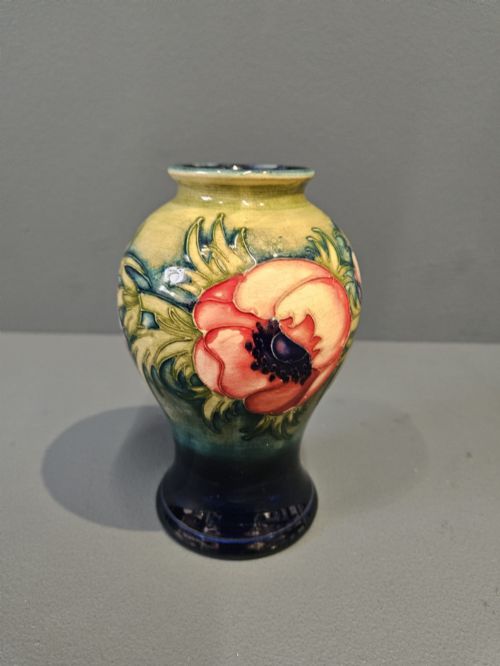
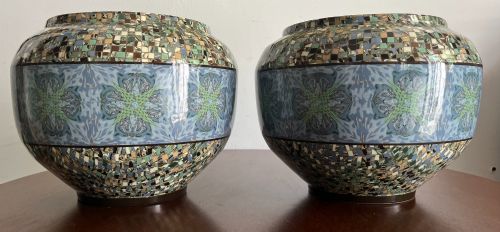
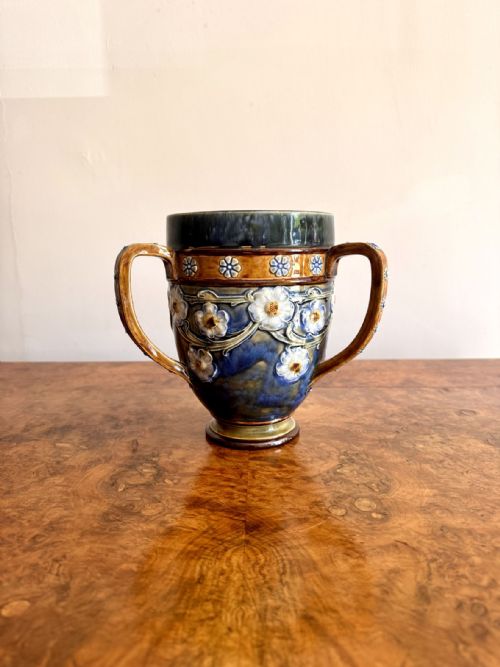
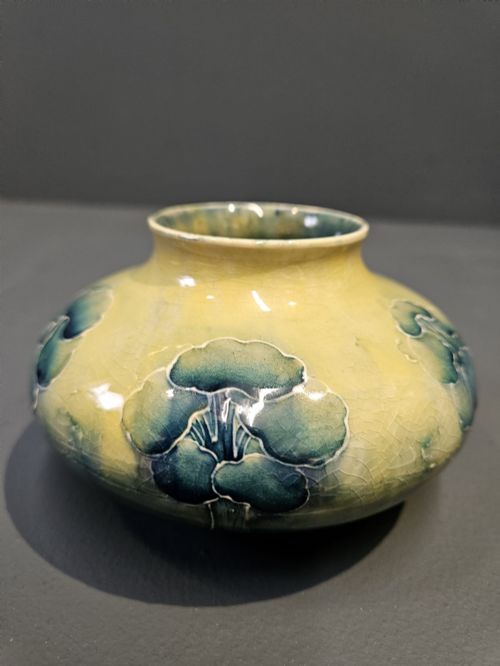
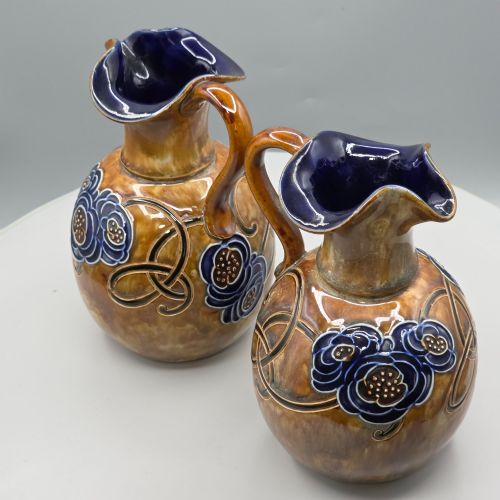
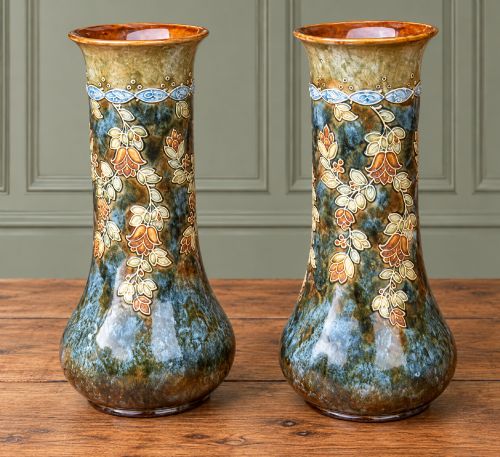
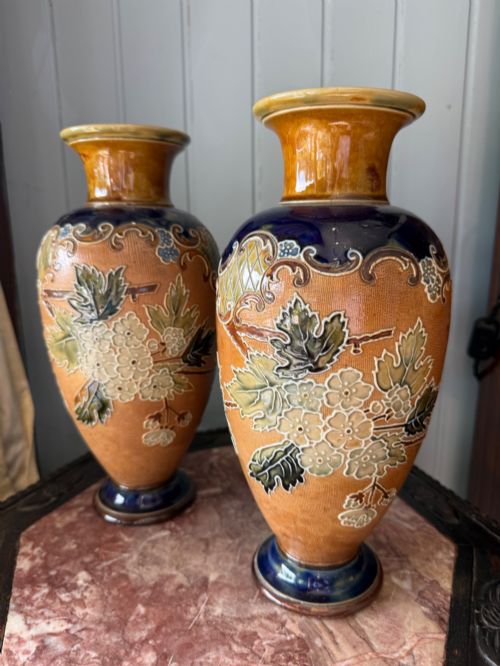
Blue art pottery encompasses a diverse selection of vases, jugs, jardiniere and decorative bowls produced during the late nineteenth and early twentieth centuries. These functional and decorative objects reflect distinct creative movements including Arts and Crafts, Art Nouveau and Art Deco.
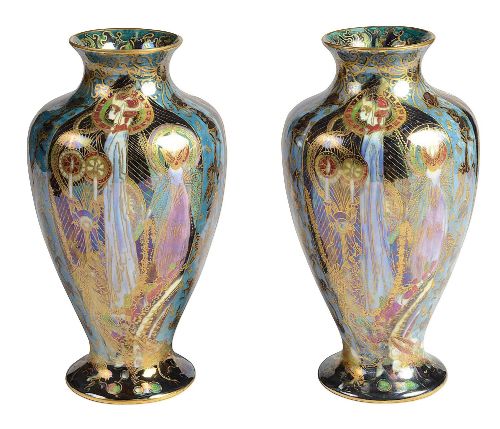
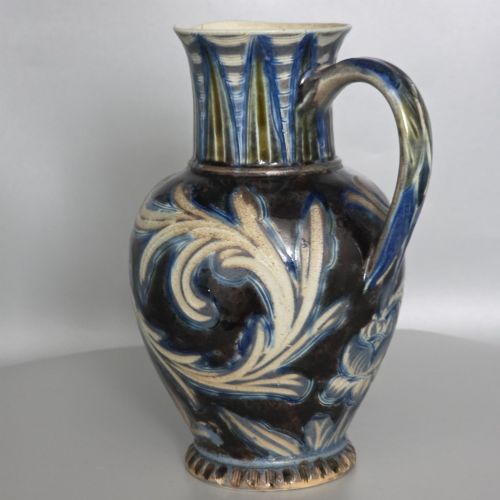
Vases and ewers dominate the selection, often rendered in durable stoneware or glazed earthenware with deep cobalt hues. Pieces range from modest studio pottery jugs to large pedestal jardiniere and intricate lustre vessels.
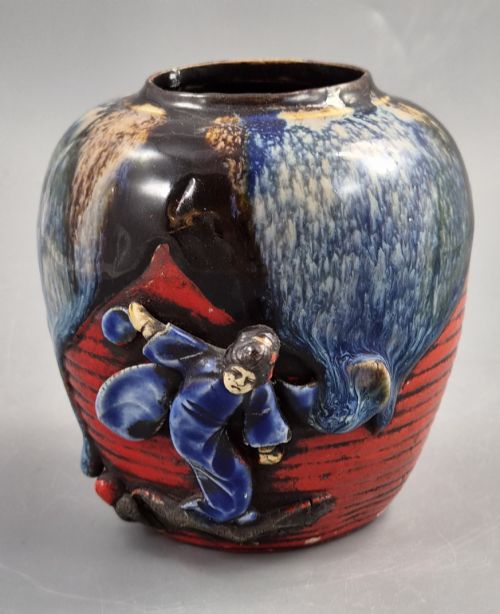
Originating predominantly from British potteries alongside continental European and Asian workshops, these items highlight the broad international scope of late nineteenth and early twentieth century ceramic production.
How blue art pottery was made
Potters utilised stoneware, ceramic, and earthenware bodies shaped on the wheel or cast in moulds before receiving specialised glazes and enamel decoration. Many works incorporate rich cobalt washes, flamboyant lustre surfaces or tactile incised detailing.
Firing techniques varied from standard kiln processes to specialised methods that produced mottled flambé effects or iridescent metallic sheens across the ceramic body.
Blue Art Pottery Retail Price Guide 2026
Typical asking prices for blue art pottery among the pieces listed under this phrase on Sellingantiques today, from the lower quarter to the upper quarter. They describe what is for sale here now, not the wider market.
Listings feature stoneware, earthenware, and porcelain items spanning the Victorian era through the 1930s.
What varies in quality
The standard of blue art pottery is defined by the precision of the throwing, the depth and consistency of the glaze, and the clarity of any incised or hand-painted ornamentation. Superior examples display confident handling of the clay body and controlled chemical reactions within the glaze layers.
Pieces bearing specific studio marks, identifiable artist signatures, or documented connections to prominent ceramic houses command greater attention for their finished aesthetic.
Moorcroft·Royal Doulton·Doulton Lambeth·Wedgwood·Minton·Burmantofts·Carlton Ware
The Blue Art Pottery Glossary
- Stoneware
- A dense, impermeable ceramic fired at high temperatures until vitrified. It provides a robust body suitable for complex incised decoration.
- Jardiniere
- A large ornamental pot or stand designed to hold growing plants. These vessels often feature prominent relief moulding or rich glaze work.
- Lustre
- A type of ceramic glaze containing metallic oxides that yield an iridescent sheen upon firing. This technique creates reflective surfaces that shift in changing light.
- Earthenware
- Porous pottery fired at lower temperatures than stoneware. It requires an applied glaze to become watertight.
Blue Art Pottery: Frequently Asked Questions
What is stoneware pottery?
Stoneware is a heavy, durable ceramic material fired at exceptionally high temperatures until the clay body becomes vitrified. This process makes the vessel naturally waterproof and resistant to chipping.
Because of its strength, stoneware allows potters to carve intricate patterns directly into the damp clay before glazing.
How were jardiniere vessels used?
Jardiniere vessels served as decorative indoor planters for housing potted ferns, palms, and floral arrangements during the Victorian and Edwardian periods. They were placed on tabletops or dedicated pedestals in domestic reception rooms.
These large pots protected fine furniture from moisture while adding a bold decorative focal point to the interior.
Can I use these vases for fresh flowers?
While many of these historical vessels are fully vitrified stoneware or glazed earthenware capable of holding water, collectors often choose to display them dry to preserve fragile antique interiors and glaze surfaces.
If you do use them for fresh flowers, inspect the interior for any hairline fissures first and avoid leaving stagnant water inside.