



Blue and Yellow Vase
A blue and yellow vase brings a vibrant palette of cobalt and ochre into a room, spanning periods from the seventeenth century to the mid-century.
Blue and Yellow Vase
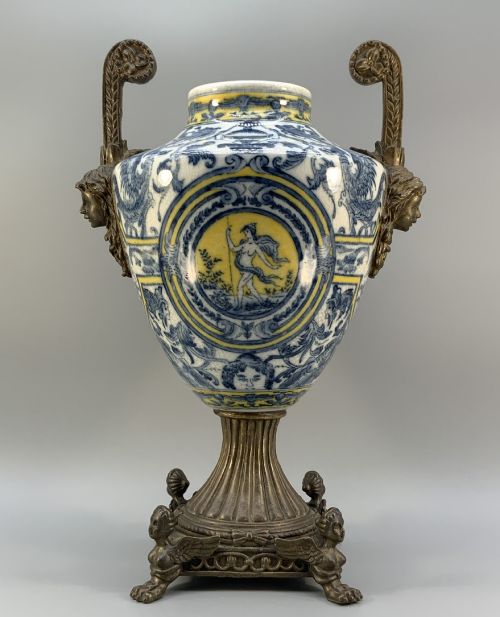
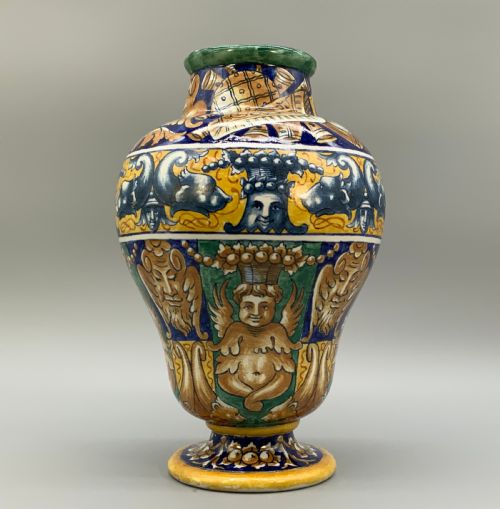
A blue and yellow vase encompasses various forms ranging from large umbrella stands and lidded jars to decorative urns and cabinet pieces. Buyers searching for a blue and yellow vase encounter diverse stylistic expressions, including Iznik-revival earthenware, Renaissance revival faience, and cameo glass.
The selection extends across multiple eras, incorporating nineteenth-century ceramics, twentieth-century crystalline glazes, and earlier majolica traditions. These vessels demonstrate how makers utilised contrasting cobalt and yellow tones across different manufacturing centres and artistic movements.
Materials and methods
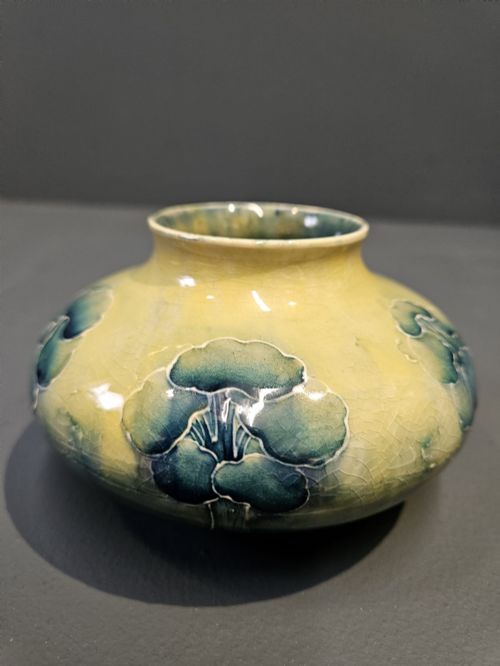
Potters and glassmakers employed earthenware, ironstone, and specialised glass techniques to achieve these striking dual-colour schemes. Tin glaze, crystalline glaze, and cameo glass layers provided the foundational surfaces for the distinct blue and yellow pigments.
Additional decorative elements such as bronze mounts and gold leaf appear on specific revival pieces, enhancing the sculptural quality of the ceramic bodies.
Blue and Yellow Vase Retail Price Guide 2026
Typical asking prices for blue and yellow vase among the pieces listed under this phrase on Sellingantiques today, from the lower quarter to the upper quarter. They describe what is for sale here now, not the wider market.
The listings span from the seventeenth century to the mid-twentieth century, featuring earthenware, ironstone, and cameo glass.
Factors of quality
Quality in these vessels rests upon the precision of the glazing technique and the clarity of the colour application. The control demonstrated in crystalline glazes or multi-layered cameo glass distinguishes superior examples from standard production.
The integration of metal mounts and the crispness of the hand-painted polychrome decoration further separate the finest pieces from simpler wares.
Théodore Deck·Moorcroft·Emile Galle·Mason·Ruskin Pottery
The Blue and Yellow Vase Glossary
- Faience
- Tin-glazed earthenware produced in Europe, particularly associated with French and Italian traditions. It provides an opaque white background for painted polychrome decoration.
- Crystalline glaze
- A ceramic glaze containing specific minerals that form visible crystals during the cooling process in the kiln. This technique creates unique, star-like patterns across the surface.
- Cameo glass
- Glass formed with multiple layers of different colours, where portions of the outer layer are carved away to reveal the contrasting colour beneath. Emile Gallé utilised this method extensively.
- Majolica
- Italian tin-glazed pottery noted for its bright polychrome painting and historical revival styles. It often depicts elaborate historical or botanical scenes.
- Cloisonne
- A metalwork technique where compartments are created using thin metal strips and filled with coloured enamel paste. These pieces are then fired and polished to a smooth finish.
Blue and Yellow Vase: Frequently Asked Questions
How do I date a ceramic vase?
Dating relies on examining the characteristics of the glaze, the composition of the ceramic body, and any maker marks stamped or painted on the base. Stylistic clues such as Art Nouveau or Renaissance revival motifs also point to specific manufacturing decades.
Comparing the potting technique with known factory production periods helps narrow down the exact decade of origin.
Where were majolica vases made?
Majolica production has deep roots in Italy, where workshops produced tin-glazed earthenware decorated with vibrant pigments. Later nineteenth-century revival pieces also emerged from various European potteries imitating these traditional methods.
Italian centres remained the primary source for these polychrome decorative vessels across multiple centuries.
What is crystalline glaze?
Crystalline glaze is a specialised ceramic finish where metallic compounds form distinct crystal formations during the kiln cooling cycle. Each firing produces random, unique patterns across the vase surface.
Potters must carefully control kiln temperatures to encourage these decorative crystals to grow.
How do I care for antique glass?
Antique glass requires gentle cleaning with lukewarm water and a soft cloth to protect delicate surfaces and cameo carvings. Avoid harsh chemical cleaners and sudden temperature changes that could stress the material.
Displaying pieces away from direct sunlight preserves the original colouration of the glass.