

Blue and White Pitcher
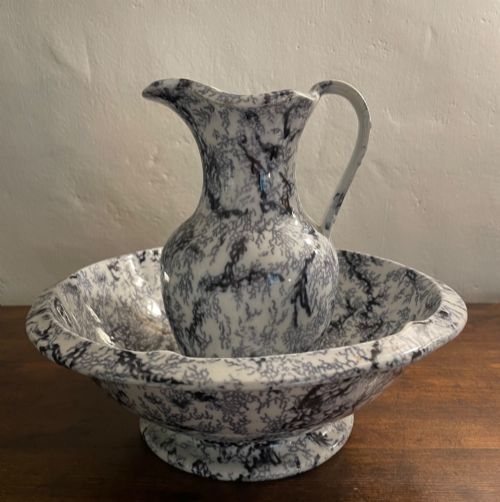
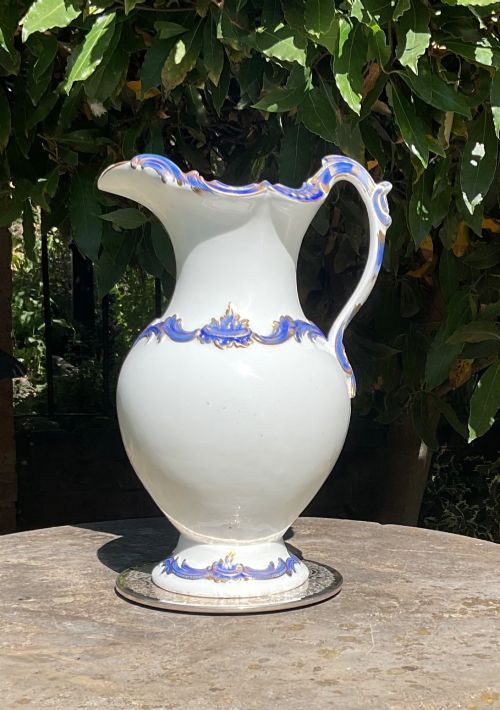
When you search for a blue and white pitcher, you are looking at ceramic vessels that hold water, milk, or wine, rendered in cobalt pigments.
Blue and White Pitcher
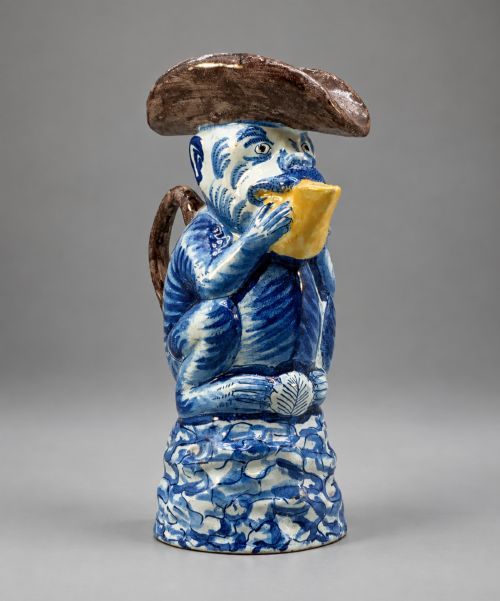
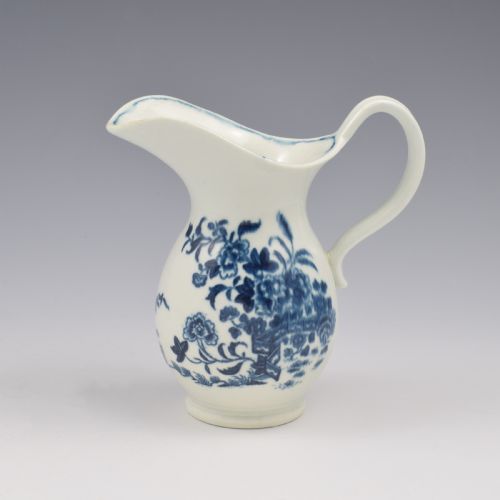
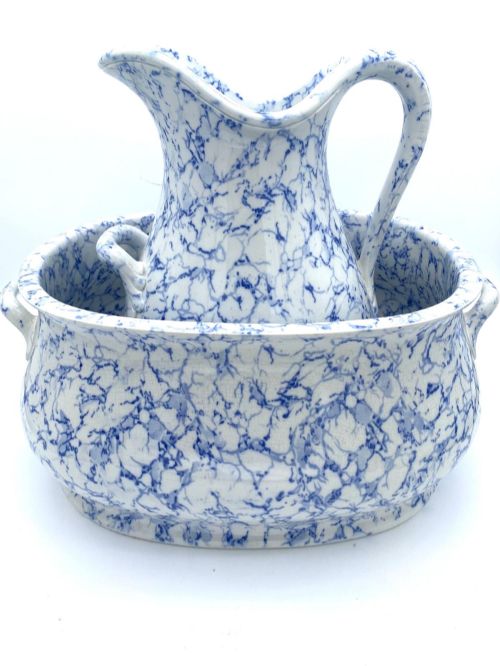
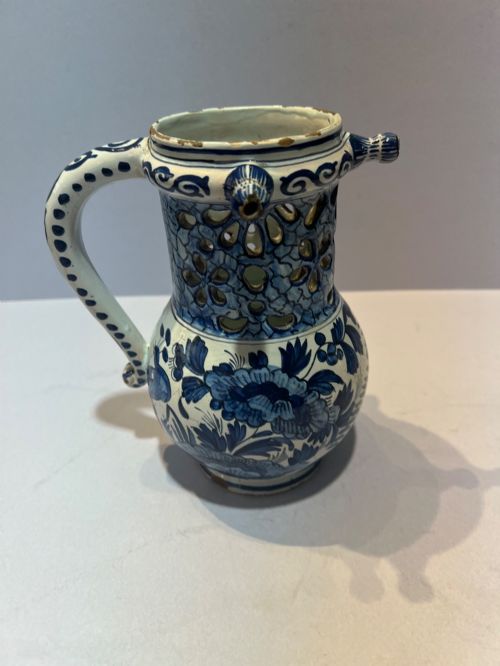
A blue and white pitcher encompasses a diverse group of ceramic vessels designed for pouring liquids, spanning domestic utilities and decorative items. These objects appear in forms ranging from small milk jugs and sparrow beak ewers to large water jugs, washstand sets, and puzzle jugs.
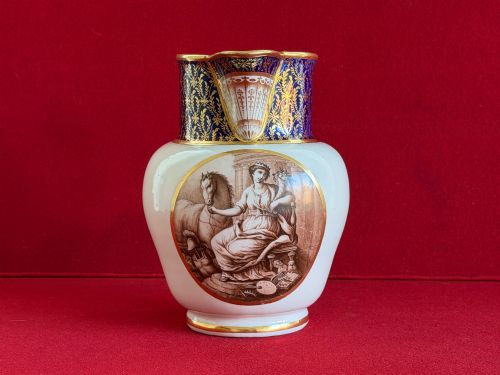
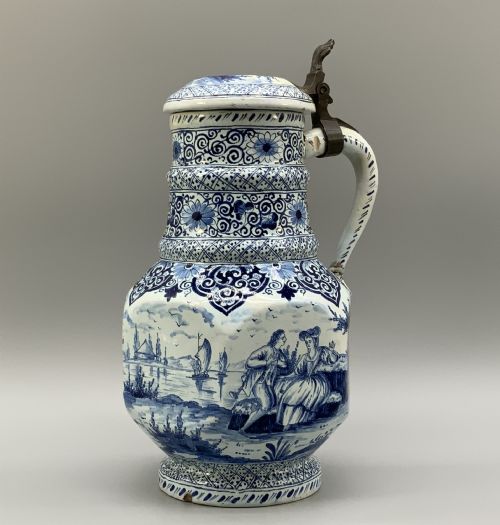
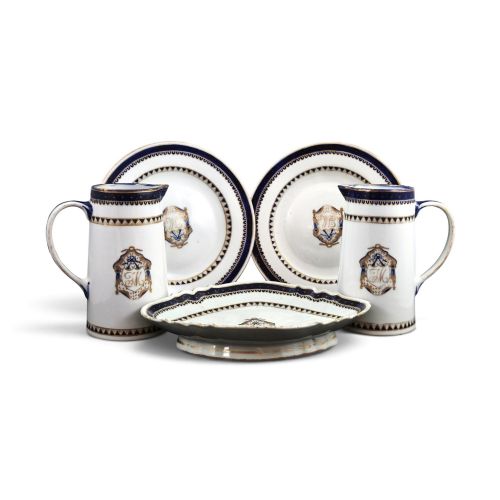
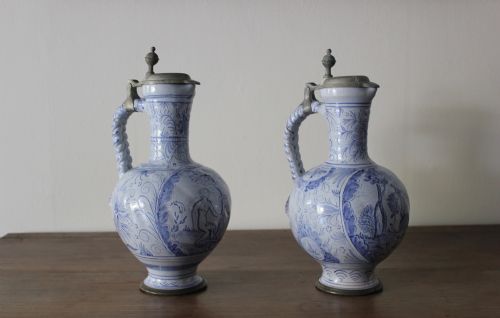
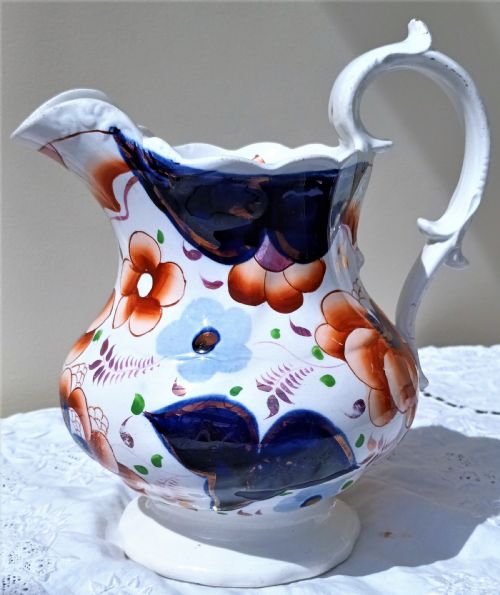
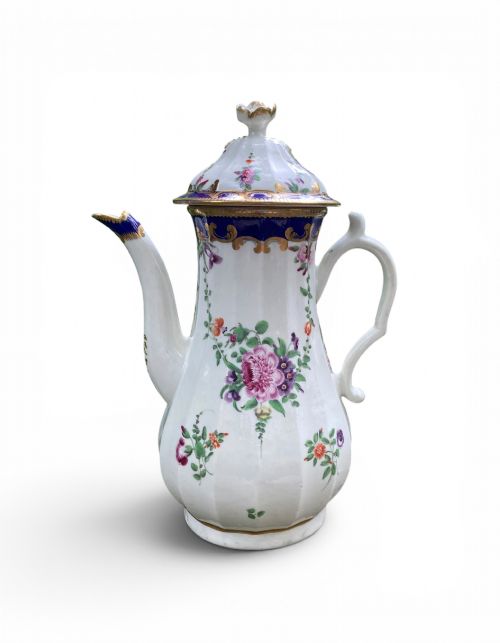
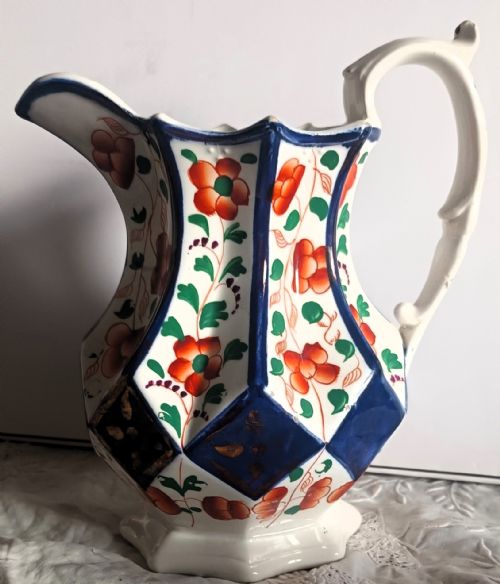
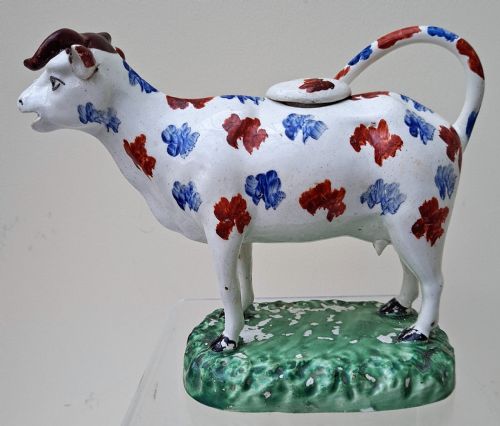
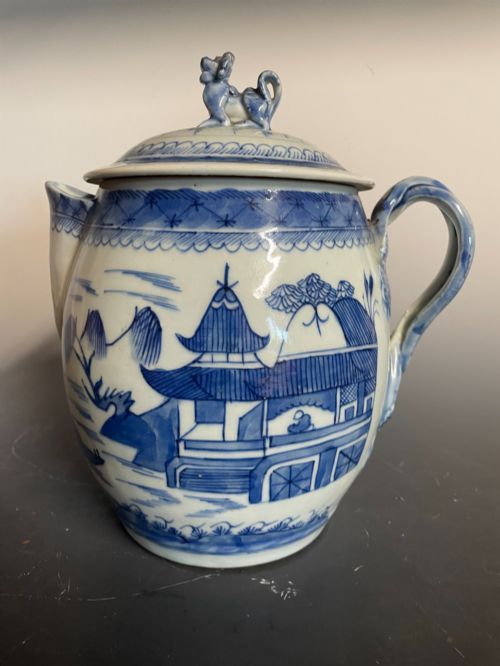
The selections available on this page most frequently include 18th-century Dutch Delftware, Georgian porcelain, and Victorian earthenware. Buyers will also encounter specialised pieces such as Mason's ironstone hydra jugs, Gaudy Welsh pottery, and Chinese export porcelain.
Originating from British, European, and Asian kilns, these vessels reflect varied regional styles from Dutch Delft faience to Chinese Qing dynasty porcelain. Each iteration serves as a tangible record of historical ceramic production and household utility.
How they were made
Potters shaped these vessels using earthenware, porcelain, and ironstone, often applying tin glaze or clear glaze over cobalt blue decoration. Many pieces utilise underglaze painting techniques where the pigment is applied directly to the unglazed body before firing.
Some examples incorporate transfer printing methods developed in the Georgian and Victorian eras to transfer intricate blue and white patterns onto the ceramic surface. Others rely on hand-painted brushwork, particularly in earlier Delftware and Chinese export pieces.
The inventory spans the 17th, 18th, and 19th centuries, featuring earthenware, porcelain, and tin-glazed pottery.
What varies in quality
The refinement of the ceramic body and the clarity of the cobalt blue pigment distinguish finer examples from standard wares. Porcelain bodies and crisp underglaze painting generally indicate higher skill in manufacture compared to heavier earthenware.
Artistic execution in the hand-painted or transfer-printed design dictates the visual success of the piece. Precision in form, such as the balanced pull of a handle or the clean geometry of a mask head spout, elevates certain vessels above their contemporaries.
Pieter Verburg·Flight & Barr Worcester·John Pennington·Dr Wall·Minton·Doulton Lambeth·Caughley Coalport·Doulton Burslem
The Blue and White Pitcher Glossary
- Tin-Glazed Earthenware
- Pottery covered with a glaze containing tin oxide that turns opaque white during firing, providing a smooth surface for blue pigment.
- Transfer Printing
- A technique where an engraved copper plate applies a design onto paper, which is then transferred onto the unglazed or bisque ceramic body.
- Parian Ware
- A type of fine white bisque porcelain developed in the 19th century to resemble marble, frequently utilised for decorative jugs.
- Puzzle Jug
- A vessel with a perforated neck that prevents normal pouring, requiring the user to drink through a hollow spout connected to the handle.
- Ewers
- Pitchers with a wide spout and elaborate handle, historically used for pouring water for hand washing before the widespread use of indoor plumbing.
Blue and White Pitcher: Frequently Asked Questions
How were antique pitchers used?
These vessels served practical roles in daily domestic life, holding water for washing at basin stands, serving milk at tea tables, or containing wine and beer at meals. Many large examples formed part of matching toilet sets used in bedrooms.
Specialist forms like puzzle jugs fulfilled social functions as drinking games in taverns, while apothecary jars held dry or liquid medicines in pharmacies.
How do I date a blue and white pitcher?
Dating relies on observing the ceramic body, glaze type, and stylistic markers recorded in the manufacture. Tin-glazed earthenware and hand-painted motifs often point to the 17th or 18th century, while transfer-printed ironstone and Parian ware typically indicate 19th-century production.
Examining the base for factory marks, pattern names, or stylistic transitions helps narrow the period of origin further.
Can I use these pitchers for serving liquids today?
While many antique pitchers remain structurally sound for holding water or flowers, collectors generally treat older porous earthenware and delicate porcelain with caution. Hairline cracks or historical repairs mean certain fragile pieces are best reserved for display.
Unglazed interiors or porous bodies can absorb liquids over time, so careful hand washing without harsh detergents is necessary for preserved examples.
What is the difference between earthenware and porcelain jugs?
Earthenware is a porous, opaque ceramic fired at lower temperatures, often finished with an opaque tin glaze as seen in Dutch Delftware. Porcelain is a vitrified, dense material fired at much higher temperatures, producing a ringing tone and a white body that may show translucency.
Ironstone sits between these categories as a durable, heavy-bodied semi-vitrified ceramic popular during the 19th century.