




Blue and White Decorative Wall Plate
A blue and white decorative wall plate brings timeless pattern and rich cobalt pigment directly to your interior spaces.
Blue and White Decorative Wall Plate
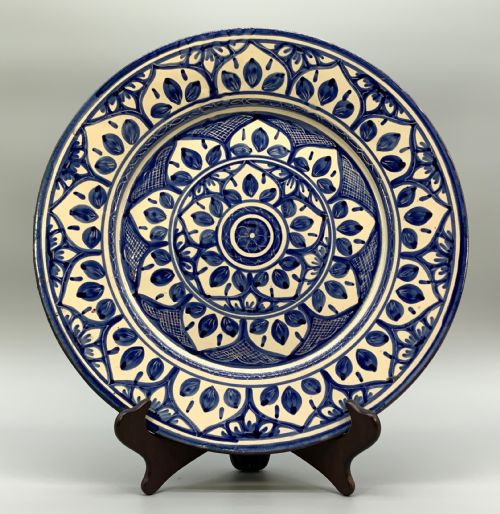
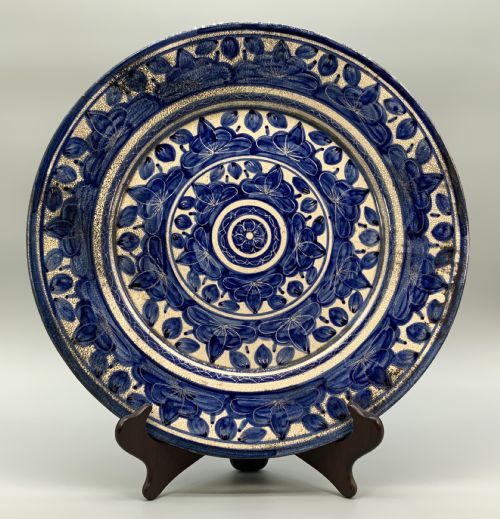
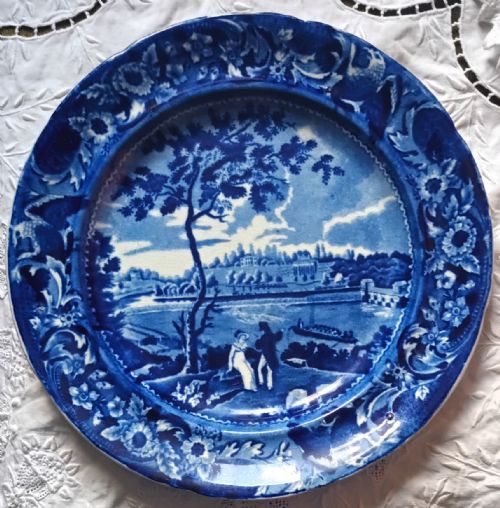
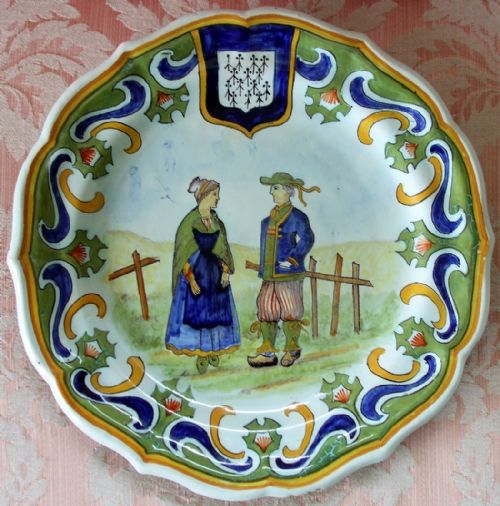
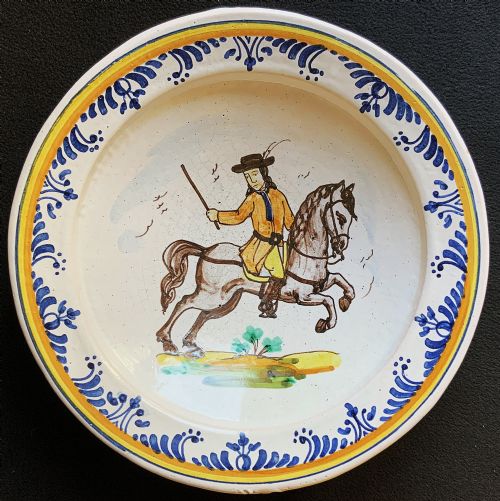
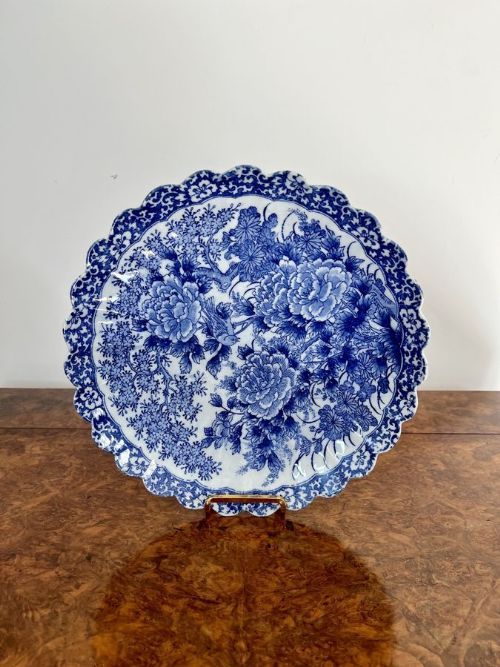
A blue and white decorative wall plate spans generous chargers and smaller dishes designed primarily for display rather than the dining table. When searching this phrase, expect to encounter substantial ceramic pieces originating from various global traditions.
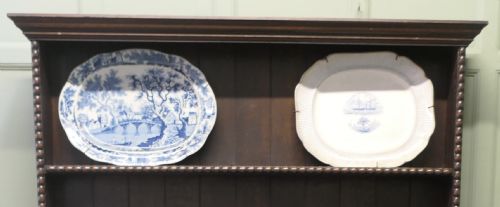
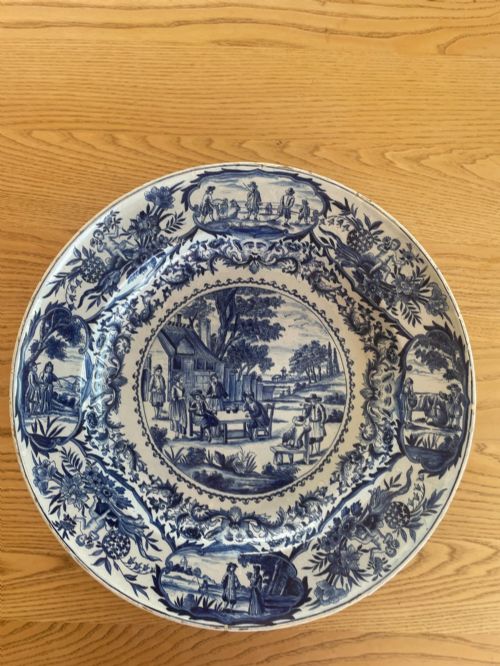
The selection ranges from English earthenware transferware and continental Delft faience to Japanese porcelain Imari wares. These items bring centuries of diverse ceramic artistry together on a single wall.
Many examples arrive with drilled footrings or mounting wires fitted during earlier periods to facilitate immediate hanging. Their circular formats and painted cobalt scenes translate particularly well to vertical display.
How they were made
Makers utilised earthenware, stoneware and porcelain bodies, applying cobalt pigment directly beneath or over opaque tin and lead glazes. Firing took place in kilns where high temperatures fused the mineral oxides into the liquid glass surface.
Techniques varied from freehand brushwork executed by skilled painters to copperplate transfer printing on English pottery. Some traditions incorporated enamel highlights alongside the dominant blue pigment to enrich the visual depth.
Several fish and fowl find permanent residence on these walls, depicting swimming koi carp alongside curious goldfinches perched among roses.
What varies in quality
Quality rests principally in the crispness of the cobalt painting, the purity of the ceramic body and the stability of the glaze. Finer examples display confident brushwork with distinct outlines and minimal kiln distortion across the surface.
Subtleties in the depth of the glaze and the complexity of the border patterns distinguish standard production wares from exceptional studio and factory pieces. The weight and balance of the plate also indicate the care taken during initial shaping.
Stubbs·John Ridgway·William Adams·John Davenport·Mintons
The Blue and White Decorative Wall Plate Glossary
- Charger
- A large decorative plate or platter traditionally used for display or formal service. These substantial vessels measure significantly wider than standard dining plates.
- Delftware
- Tin-glazed earthenware produced in England, the Netherlands and Spain, typically featuring white surfaces painted with blue designs. The soft earthenware body is covered in an opaque tin oxide glaze.
- Transferware
- Pottery decorated by applying a printed paper design from an engraved copper plate onto the ceramic surface before glazing. This mechanical process allowed for highly detailed topographical and figurative scenes.
- Imari
- Japanese porcelain decorated in underglaze blue, iron red and gold, originating from the Arita kilns. European markets imported vast quantities of these bold botanical and geometric patterns.
Blue and White Decorative Wall Plate: Frequently Asked Questions
How do I hang a wall plate safely?
Utilise spring-loaded brass wire hangers that grip the rim without exerting undue pressure on the ceramic body. Ensure the wall fixing secures firmly into masonry or studwork.
Avoid adhesive discs attached directly to historical pottery bases, as the weight of large chargers can cause failure over time.
How do I distinguish Delftware from porcelain?
Examine the base or any unglazed areas to identify the underlying ceramic body. Delftware utilises a porous earthenware clay beneath an opaque white tin glaze.
Porcelain presents a dense, vitrified white body that rings when gently tapped and remains impervious to liquid even where unglazed.
Can these plates be cleaned?
Dust surfaces regularly using a soft, dry brush to prevent particulate buildup within recessed glaze crazing. Avoid submerging historical pieces in water.
Harsh detergents and mechanical dishwashers will damage fragile overglaze enamels and historical ceramic bodies.
What period do most transferware plates date from?
The majority of English transferware examples originate from the nineteenth century, coinciding with industrial advancements in copperplate printing. These pieces frequently depict landscapes, historical events or pastoral scenes.
Earlier eighteenth-century items lean toward hand-painted tin-glazed earthenwares rather than mass-produced transfer prints.