




Blue and Red Runner
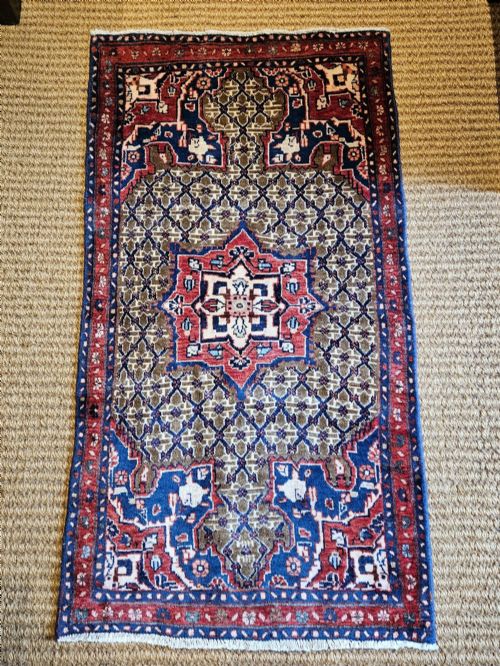
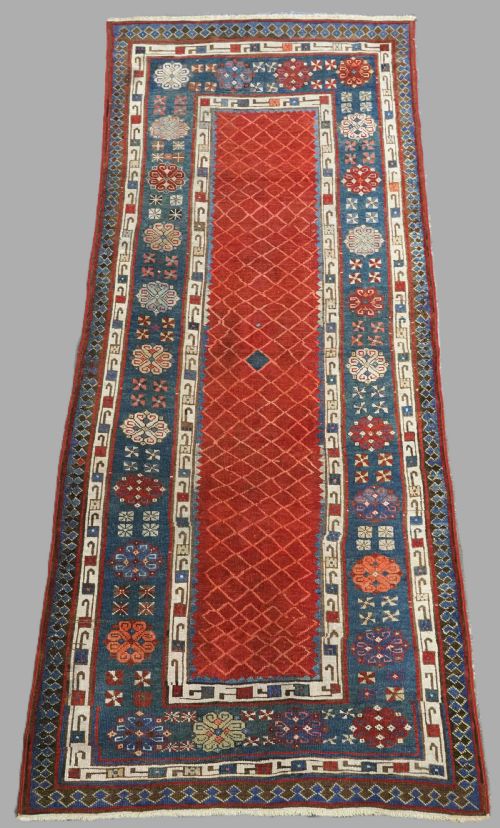
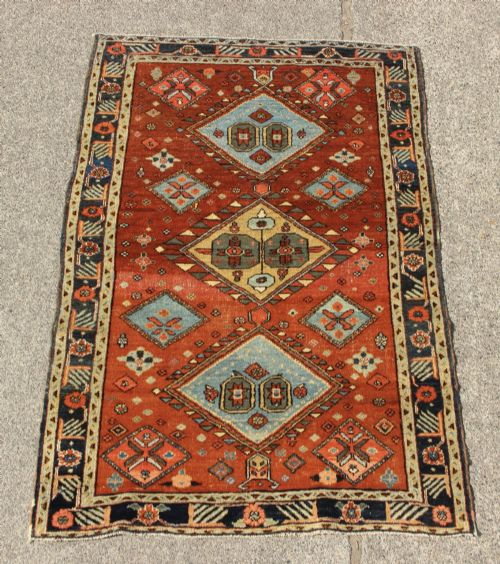
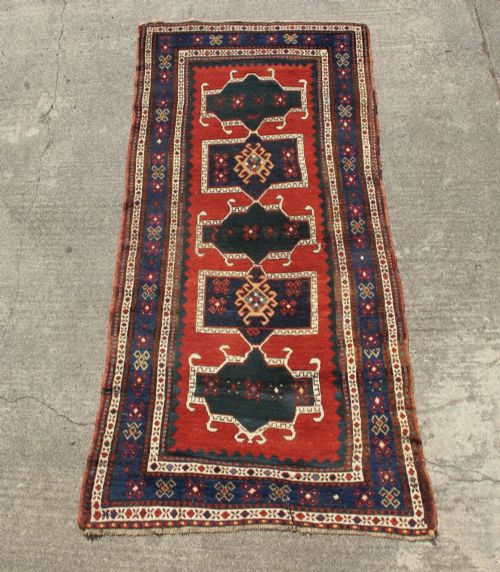
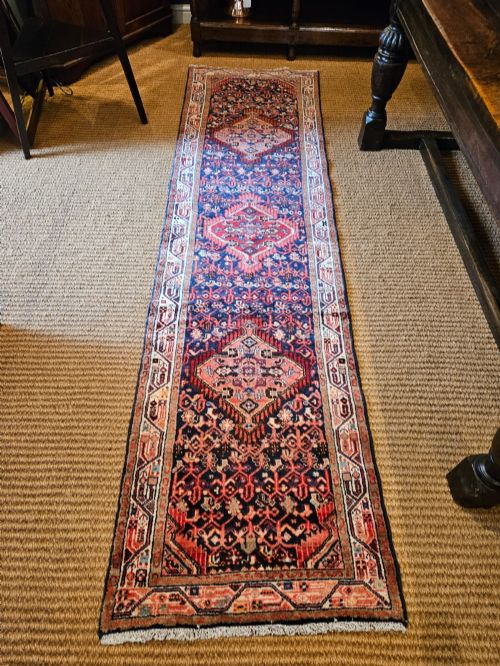
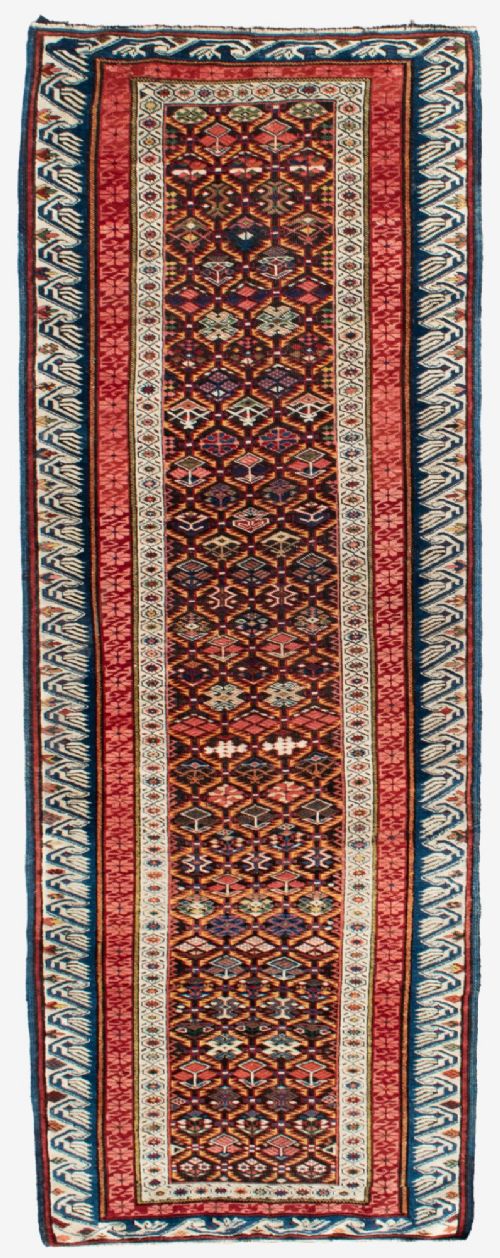
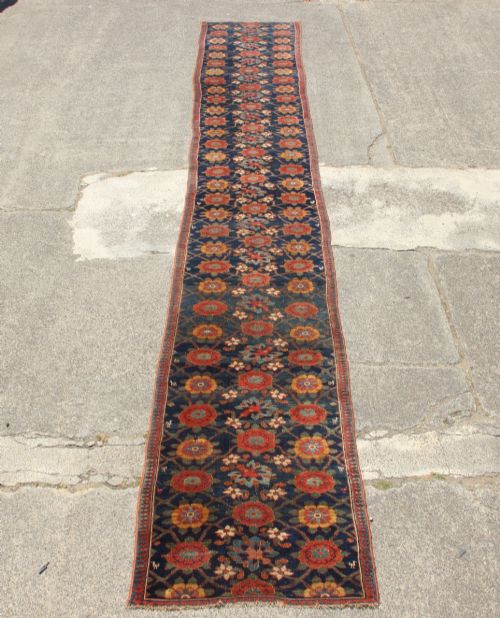
A blue and red runner is a long, narrow textile woven by hand to anchor a hallway with deep indigo and crimson tones.
Blue and Red Runner
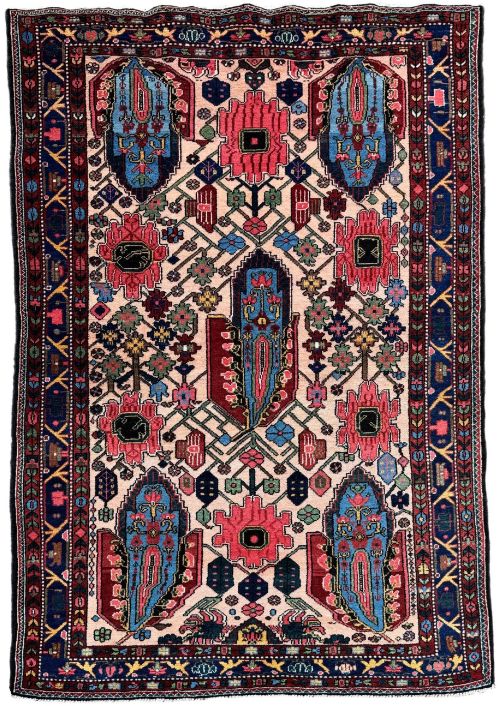
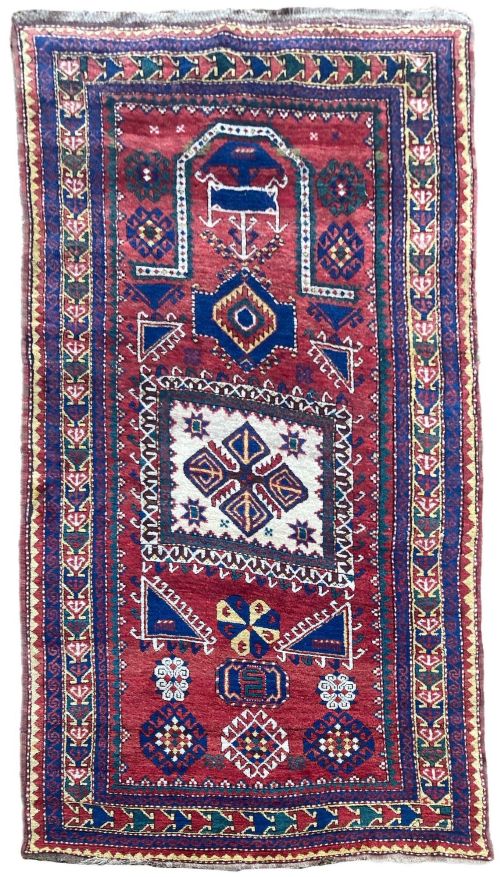
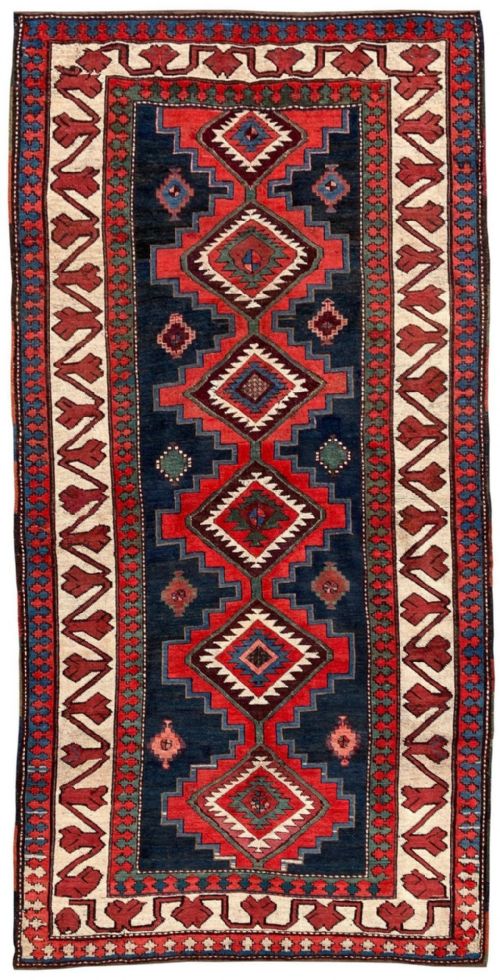
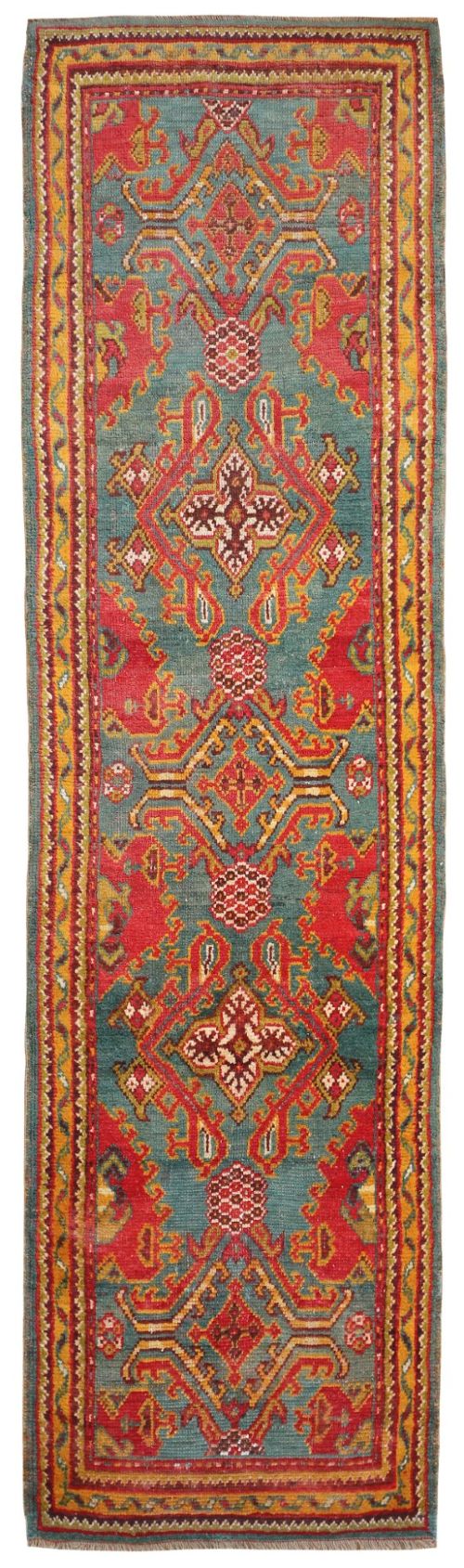
A blue and red runner brings traditional warmth to narrow spaces through elongated formats designed for corridors and passages. These pieces originate from Persian, Caucasian and Anatolian weaving traditions spanning the nineteenth and early twentieth centuries.
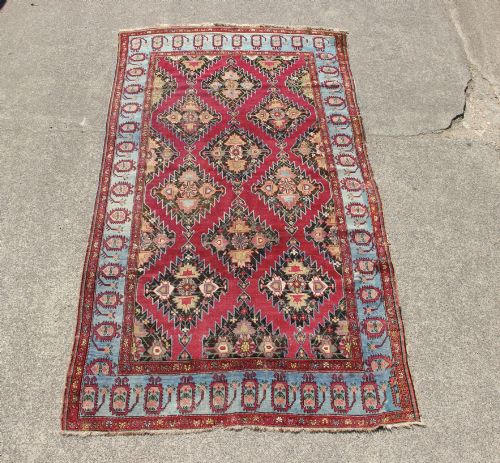
The selection here encompasses specific regional forms such as Heriz, Kazak and Kurdish long carpets alongside tribal rugs. Each piece demonstrates the characteristic indigo blues and rich reds typical of these historical weaving centres.
Distinctions in quality
Quality rests upon the fineness of the knot density and the precision of the drawing within the design. Tighter knots allow for sharper geometric clarity and greater longevity under foot traffic.
The choice of natural dyestuffs creates variations in visual depth, as organic pigments mature gracefully over decades. Superior handling of colour transitions separates standard village pieces from exceptional tribal examples.
Bread sofreh served as communal dining cloths for flatbread before finding a second life as decorative floor textiles.
Bakhtiar·Kazak·Ushak·Heriz·Bakshaish
The Blue and Red Runner Glossary
- Runner
- A long, narrow carpet format specifically proportioned for corridors, hallways and stairs. This shape directs movement through domestic spaces.
- Warp
- The vertical foundation threads stretched lengthwise on the loom before weaving begins. The pile knots are tied around these stationary strands.
- Weft
- The horizontal threads passed alternately over and under the warp strands to lock the knots in place. This holds the structural integrity of the textile.
- Natural Dyes
- Organic colourants derived from plants, insects and minerals rather than synthetic chemical compounds. These dyes yield rich, complex tones that mellow gracefully with age.
- Pile
- The vertical or slanted cut ends of yarn that form the usable surface of the rug. It provides the soft texture and displays the visual pattern.
Blue and Red Runner: Frequently Asked Questions
Where should a hallway runner go?
A runner sits best in high-traffic passageways, corridors and entryways where floor protection and visual warmth are required.
Measuring the corridor width and leaving an equal margin of bare floor on each side ensures the piece sits correctly in the space.
How do I care for an antique wool runner?
Regular gentle vacuuming without a rotating brush roll keeps dust from settling into the wool pile.
Professional cleaning by a specialist in antique textiles preserves the natural dyes and structural integrity of the foundation.
Are these runners made with natural dyes?
Many older pieces utilise organic dye sources derived from plants and minerals to achieve their characteristic shades of blue and red.
These traditional colourants interact with light and age in a way that produces subtle tonal variations across the surface.
How do I distinguish regional rug styles?
Regional attribution relies on specific motifs, knotting structures and palette choices unique to particular weaving groups.
Caucasian pieces often display sharp geometric medallions, while Persian examples frequently incorporate curvilinear floral vines and Herati patterns.