






Blue and Orange Pottery
These pieces of blue and orange pottery bring vibrant cobalt and warm rust tones to domestic display through centuries of ceramic tradition.
Blue and Orange Pottery
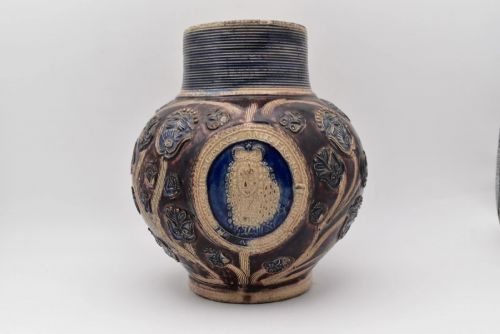
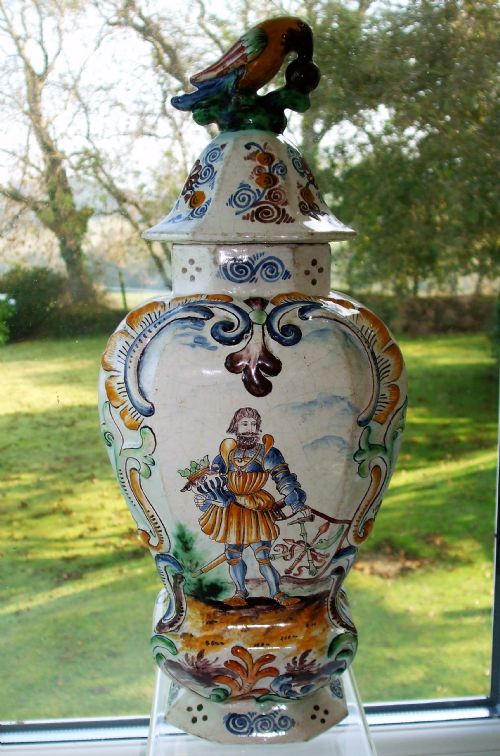
When searching for blue and orange pottery, collectors encounter a diverse array of earthenware, porcelain, and ironstone vessels originating from European and Asian kilns. The selection spans utilitarian jugs, decorative bowls, and tall vases produced across the seventeenth, eighteenth, and nineteenth centuries.
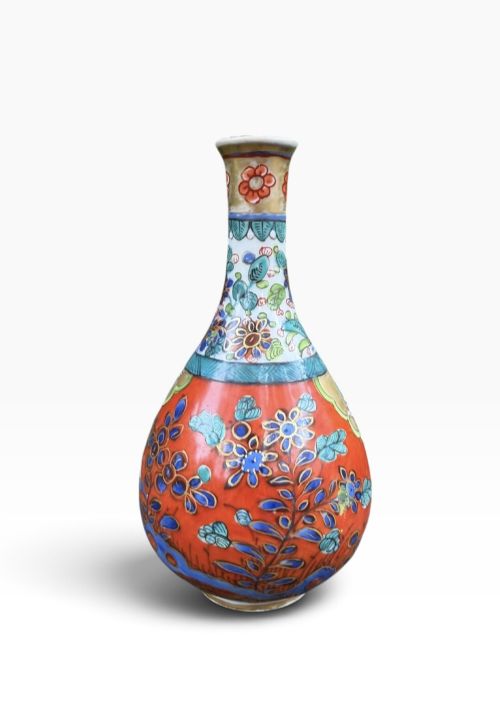
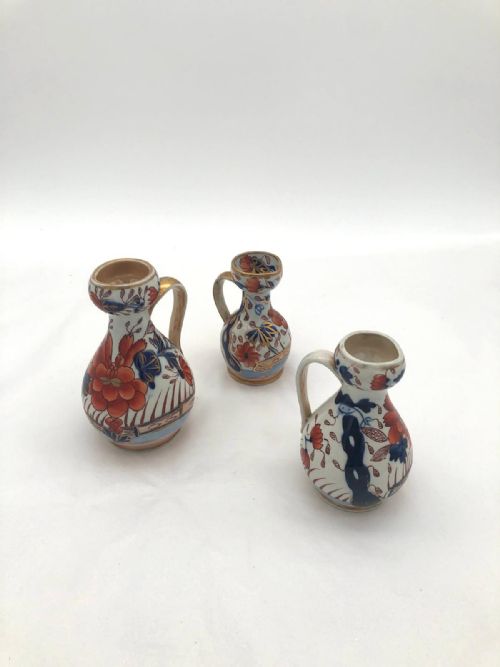
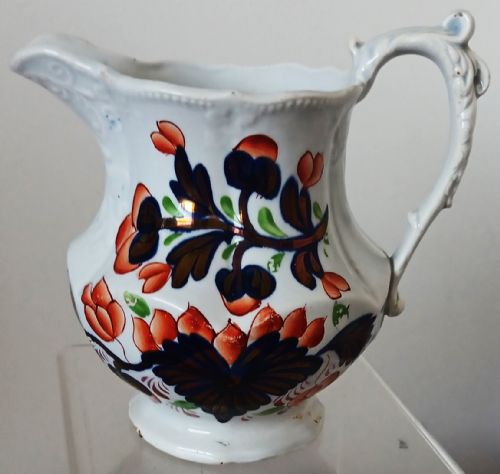
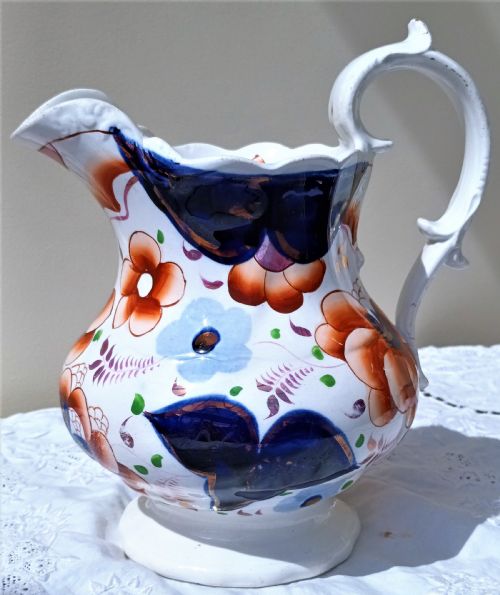
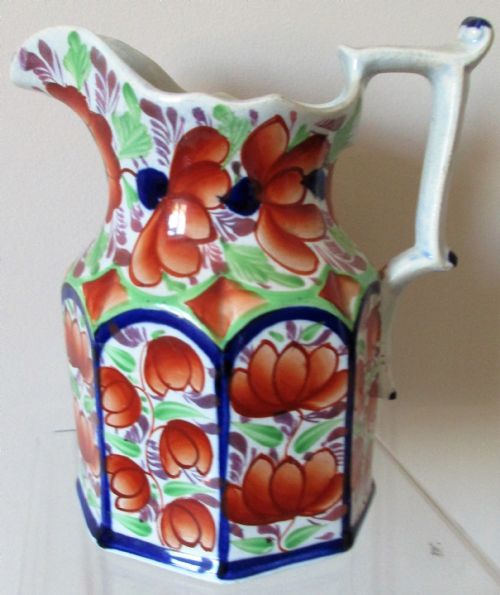
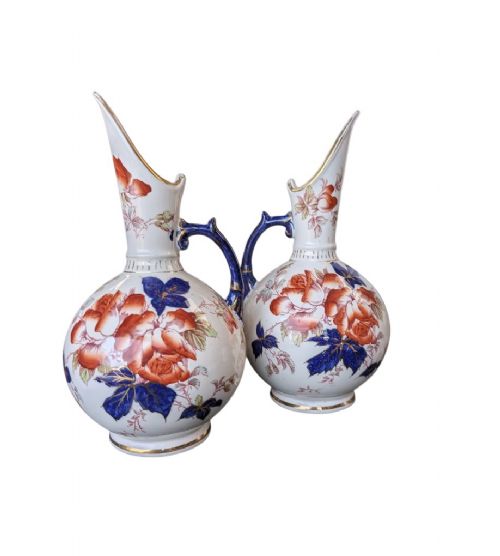
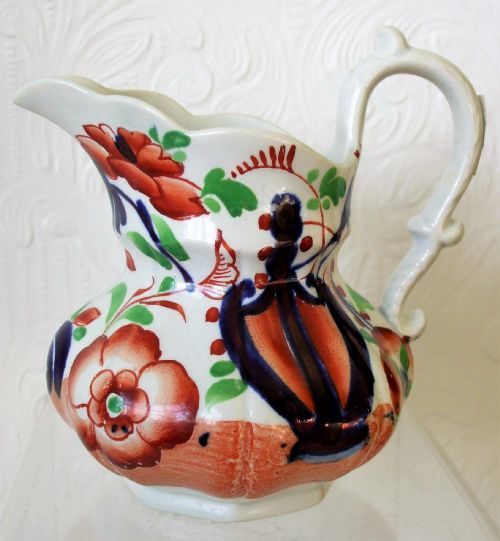
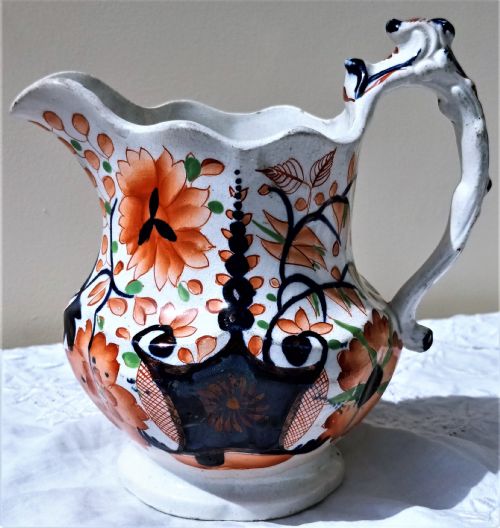
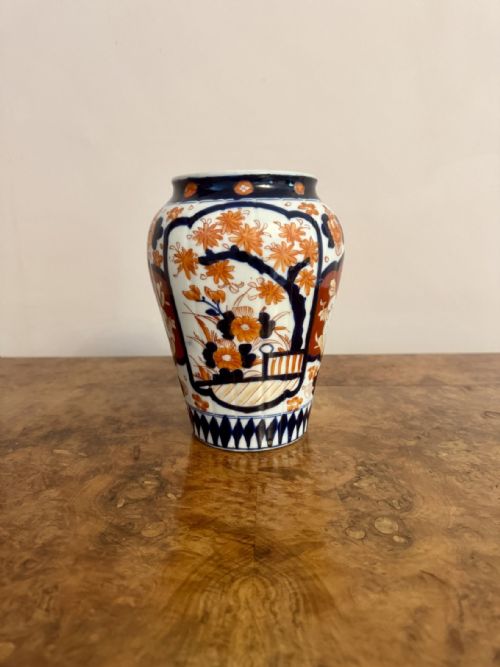
The most prevalent examples on this page are nineteenth-century Gaudy Welsh pottery jugs and Japanese Imari vases. These wares combine deep cobalt blues with striking copper or orange accents, reflecting enduring cross-cultural aesthetic influences in domestic ceramics.
Materials and Manufacture
Potters built these vessels using dense earthenware, durable ironstone, or fine porcelain bodies, shaped by hand or moulded before firing. Glazes provided a protective glassy coating that sealed the porous clay beneath.
Artisans applied polychrome pigments by hand, incorporating copper lustre, gold leaf, and enamel paints over or under the glaze. Subsequent kiln firings bonded these metallic and mineral colours permanently to the ceramic surface.
Blue and Orange Pottery Retail Price Guide 2026
Typical asking prices for blue and orange pottery among the pieces listed under this phrase on Sellingantiques today, from the lower quarter to the upper quarter. They describe what is for sale here now, not the wider market.
Listings feature items spanning the seventeenth to the twentieth centuries, employing earthenware, porcelain, and ironstone.
Assessing Quality
Quality rests upon the crispness of the painted motifs and the depth of the glaze. Superior pieces exhibit confident brushwork and precise colour registration without blurring or pooling.
The weight, resonance, and balance of the vessel indicate the refinement of the clay body and the skill of the potter. Finer examples retain bright, unrubbed enamel and intact metallic lustre across high-wear surfaces.
Moorcroft·Mason's Ironstone·Davenport·Wedgwood·Ridgways China
The Blue and Orange Pottery Glossary
- Imari
- A style of Japanese porcelain decorated in underglaze blue and overglaze orange, red, and gold. This aesthetic heavily influenced European factories during the nineteenth century.
- Delftware
- Tin-glazed earthenware produced in the Netherlands and England, typically featuring white surfaces painted in blue and orange pigments. It mimics imported Chinese porcelain styles.
- Ironstone
- A heavy, durable type of earthenware patented in the nineteenth century to rival true porcelain. It frequently supports bold transfer-printed and hand-painted polychrome decoration.
- Lustreware
- Pottery finished with a metallic glaze that produces a shimmering or iridescent surface effect. Copper and gold formulations create the characteristic warm orange tones.
- Clobbered
- Older porcelain or pottery that received secondary overglaze decoration in European workshops long after the original firing. This process often added vibrant orange and blue enhancements to plain imported wares.
Blue and Orange Pottery: Frequently Asked Questions
What is blue and orange pottery?
These items encompass centuries of ceramic production featuring distinct cobalt blue and rust-orange decoration. They include Japanese Imari porcelain, British ironstone jugs, and Dutch delftware vases.
Potters applied these contrasting pigments to tableware and decorative vessels to catch the eye in domestic interiors. The style bridges Eastern export wares and traditional European earthenware traditions.
How were these ceramic vessels used?
Many pieces served practical functions in historic households, acting as water jugs, basins, plates, and biscuit barrels. Others existed purely for ornament, displayed on mantelpieces and shelves as symbols of status and taste.
Large floor-standing vases and footed bowls filled grand nineteenth-century rooms with colour and pattern. Smaller vessels held liquids or food for daily domestic dining.
How do I care for antique pottery?
Protect these ceramics by keeping them away from direct sunlight, which can fade delicate overglaze enamels and gold leaf. Dust them gently with a dry, soft cloth rather than submerging them in water.
Display vessels on stable, level surfaces away from heavy traffic areas to prevent accidental knocks. Historic earthenware benefits from gentle handling due to the porous nature of the underlying clay.
How do I date antique pottery pieces?
Examine the base of the vessel for maker's marks, pattern names, or registration numbers stamped into the clay or applied in glaze. Style, weight, and potting technique also provide clear clues to the decade of manufacture.
Comparing glaze characteristics and pigment types helps distinguish seventeenth-century Delft from nineteenth-century ironstone imitations. Documentation and factory histories verify the exact era of production.