



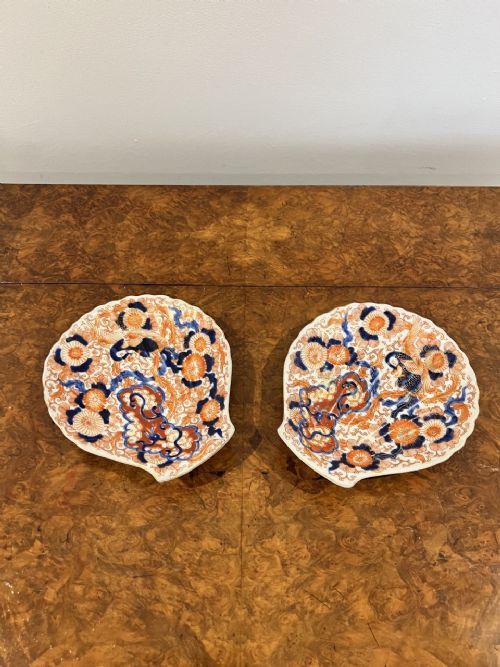
Blue and Orange Ceramic
Blue and orange ceramic works span centuries of global craft, bringing rich palettes and complex patterns directly to interior spaces.
Blue and Orange Ceramic
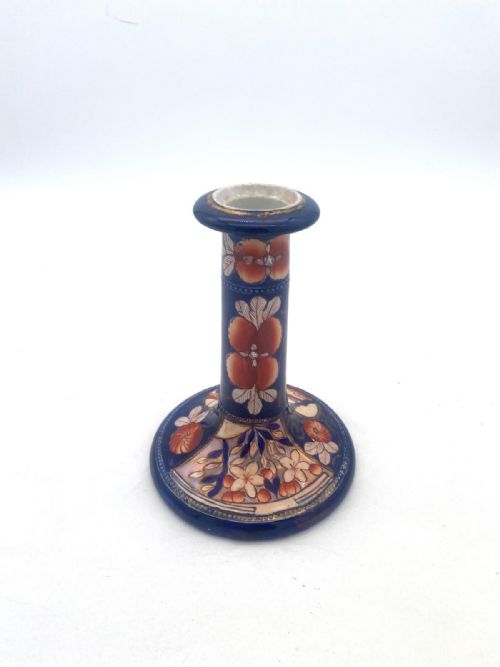
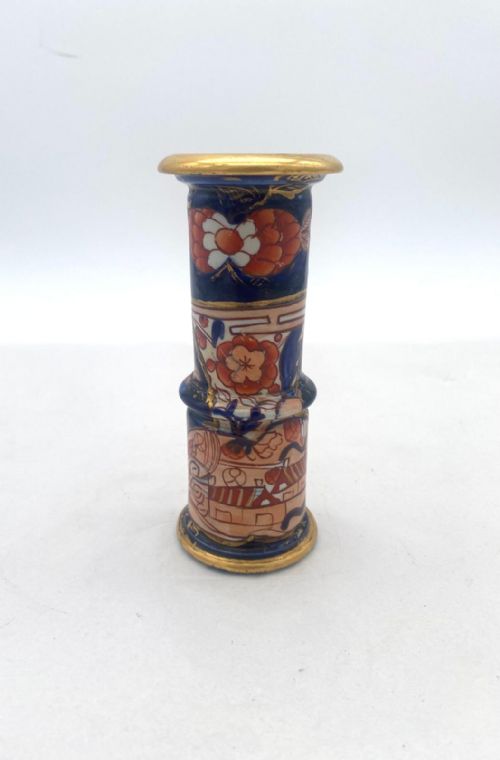
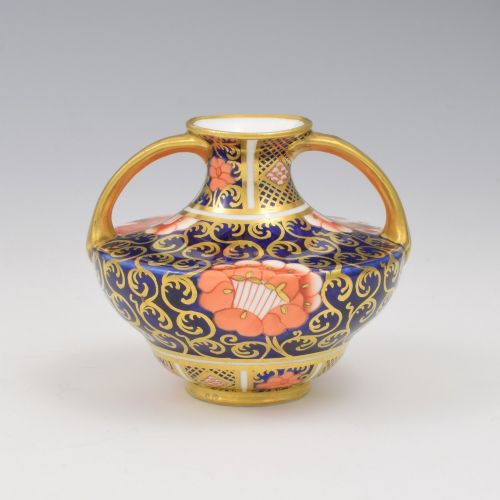
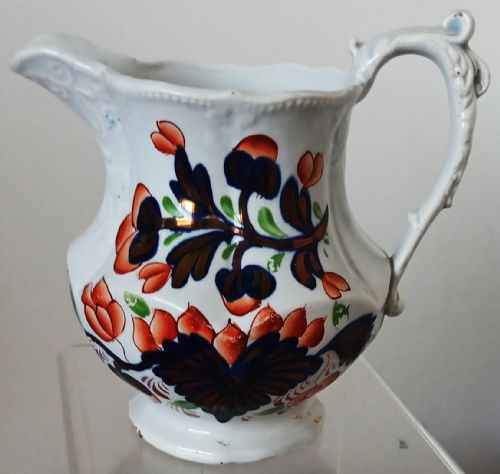
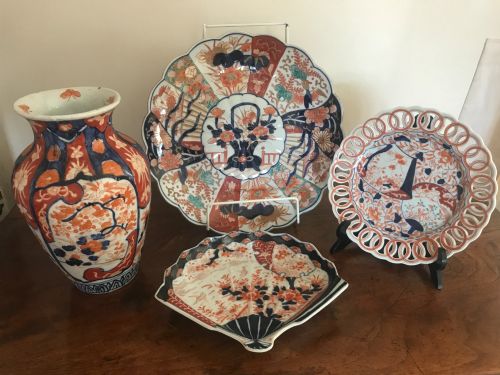
A search for blue and orange ceramic reveals a diverse group of objects, dominated heavily by Japanese Imari wares and English pottery from the Georgian and Victorian eras. Vases, decorative plates, bowls, and jugs appear repeatedly across the selection.
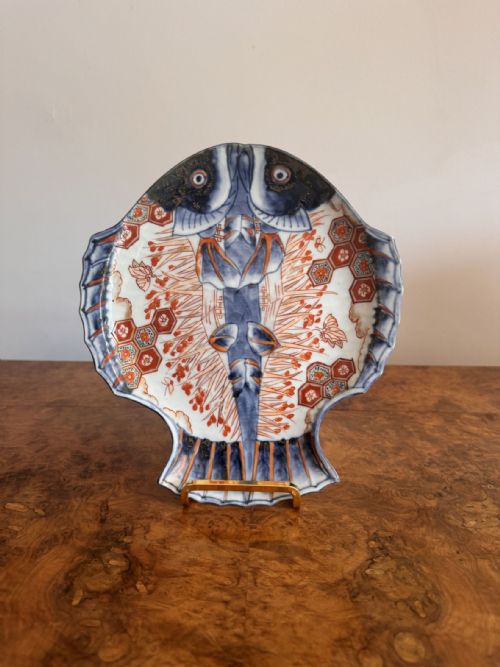
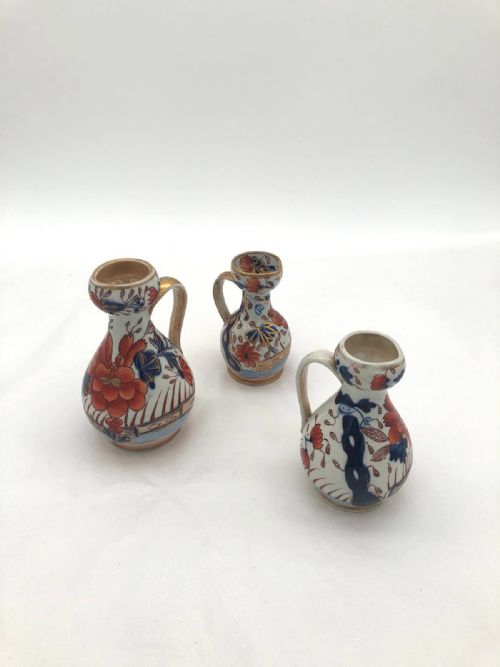
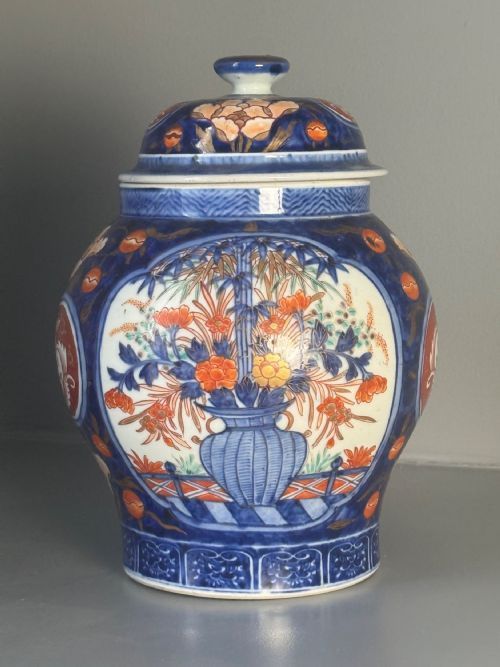
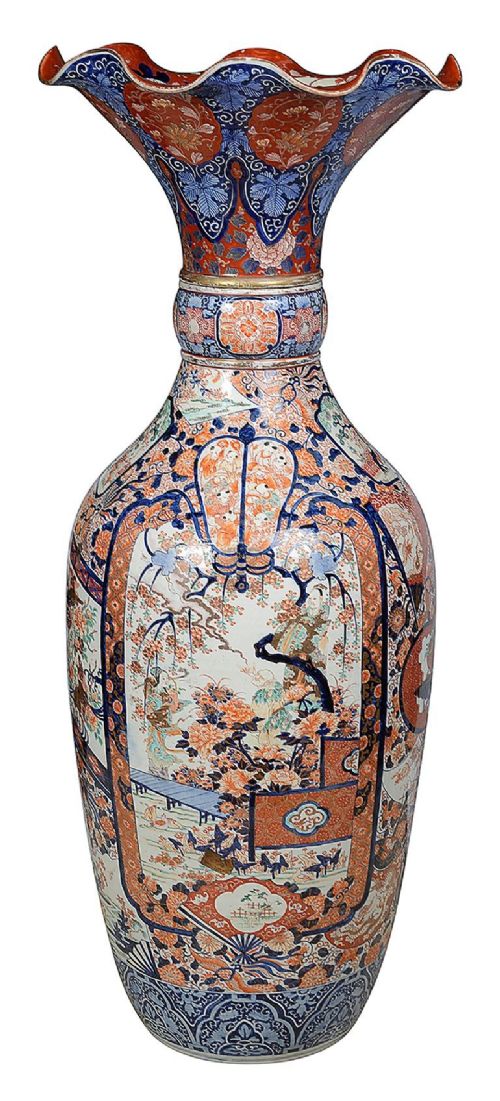
The Japanese pieces frequently take the form of Imari plates, jardinières, and large vases originating around 1900 or the Meiji period. English counterparts comprise ironstone comports, tureens, and Gaudy Welsh pottery jugs featuring specific named patterns.
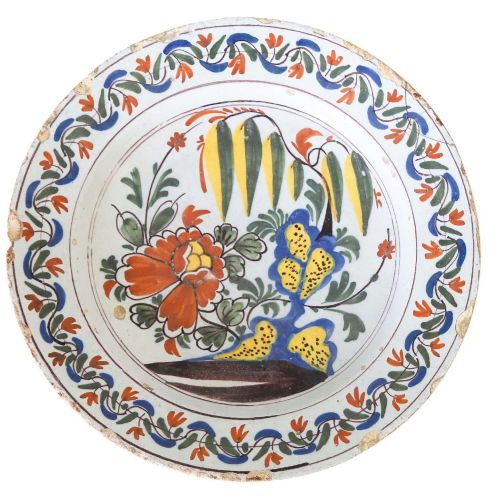
Earlier examples stretch back into the eighteenth century with English polychrome Delftware chargers and Dutch Delftware vases. These domestic and imported forms showcase how potters utilised contrasting cobalt and iron-red pigments over generations.
Materials and Technique
Makers utilised porcelain, ironstone, earthenware, and Delftware as bases for these objects, applying glaze to seal the body before decoration. Gold leaf and enamel often finish the surface, adding metallic highlights and raised texture to the primary pigments.
Hand-painted techniques dominate the evidence, showing artisans applying intricate floral, fish, and architectural motifs directly onto the ceramic body. Firing processes bonded the cobalt blue underglaze and the orange-red enamel pigments, sometimes requiring multiple kiln visits.
The listings span multiple centuries, ranging from eighteenth-century Delftware to Victorian ironstone and twentieth-century Japanese Imari.
Judging Quality
The standard of painting separates basic production from superior examples, visible in the precision of brushwork and the complexity of the design. Dense, multi-layered Japanese Imari patterns or detailed English School House motifs demand higher skill than simple banded decoration.
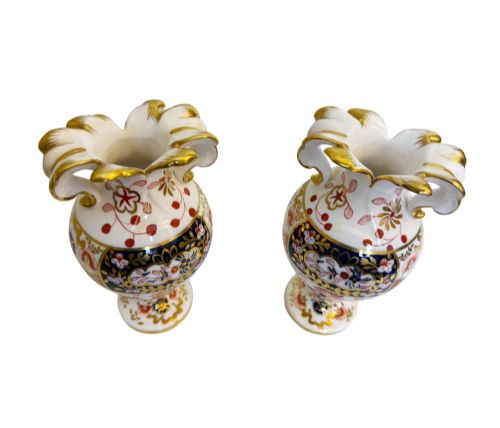
The choice of body material and secondary embellishments also marks the tier of an object, with fine porcelain and applied gold leaf sitting above standard earthenware. Form dictates status too, as moulded shapes like fish plates or twin-handled vases require advanced potting expertise.
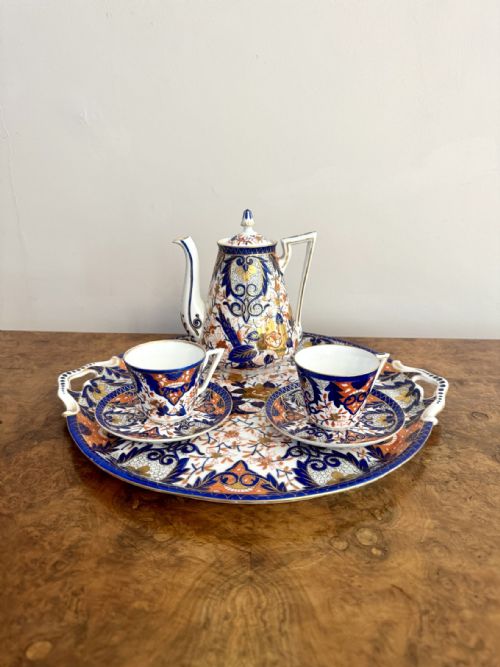
Mason s Ironstone·Royal Crown Derby·John Davenport of Longport·Spode
The Blue and Orange Ceramic Glossary
- Imari
- A style of Japanese porcelain originating from Arita, traditionally decorated in underglaze blue, iron red, and gold. This aesthetic heavily influenced European potteries during the eighteenth and nineteenth centuries.
- Ironstone
- A type of durable earthenware patented in the nineteenth century by English manufacturers to imitate porcelain. It provides a heavy, resilient body suitable for robust tableware and decorative items.
- Comport
- A shallow decorative bowl raised on a foot or pedestal, used historically for serving fruit or sweets at formal meals. These pieces often form part of larger dining services.
Blue and Orange Ceramic: Frequently Asked Questions
What is blue and orange ceramic?
These objects comprise historical vessels and tableware decorated with distinct cobalt blue and iron-red or orange pigments. They span Japanese Imari exports, English ironstone, and Dutch delftware.
Pots and plates decorated in this palette range from eighteenth-century chargers to nineteenth-century Victorian jugs and vases. The style relies on strong colour contrast established centuries ago by Asian and European kilns.
How do I identify Imari pottery?
Imari pieces usually feature a dense palette of underglaze cobalt blue combined with iron-red enamel and gold leaf accents. Motifs often include flowers, landscapes, and panel designs.
Originating in Japan, this decorative scheme was widely copied by European factories. The combination of deep blue and vibrant orange-red remains the most visible identifier.
Where were Gaudy Welsh jugs made?
Gaudy Welsh pottery was produced in Wales and parts of England during the nineteenth century. These wares were designed primarily for everyday domestic use.
Potters applied bright patterns like Grape, Drape, and Pagoda onto sturdy earthenware bodies. The resulting jugs and basins brought strong colour into modest homes.
Are ironstone and porcelain the same?
Ironstone and porcelain represent different ceramic bodies with distinct structural properties. Porcelain is vitrified and translucent, whereas ironstone is an opaque, heavy earthenware.
English makers developed ironstone in the nineteenth century as a durable alternative to porcelain. Both materials accept blue and orange glazes effectively but feel very different in weight.