


Blue and Gold Porcelain Vase
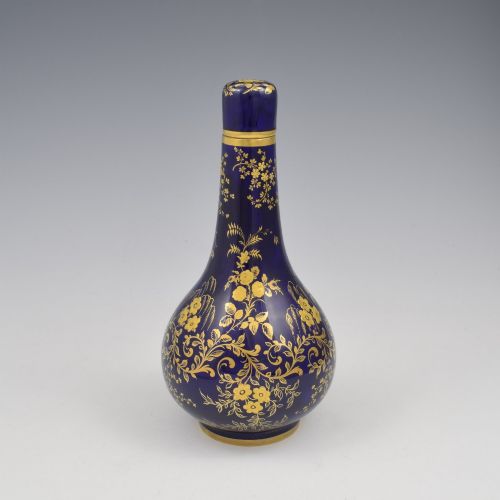
A blue and gold porcelain vase brings cobalt depth and metallic shine to a room, drawing the eye instantly to classical shapes and fine hand-painting.
Blue and Gold Porcelain Vase
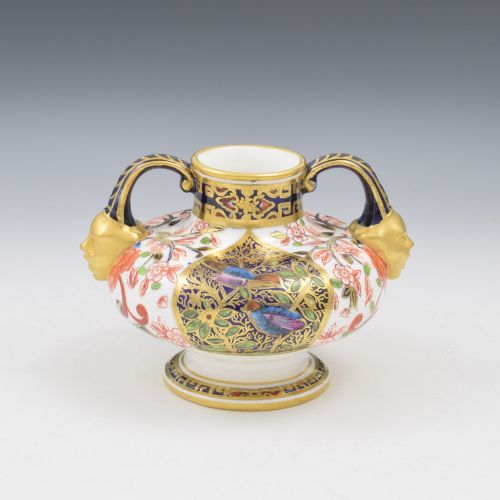
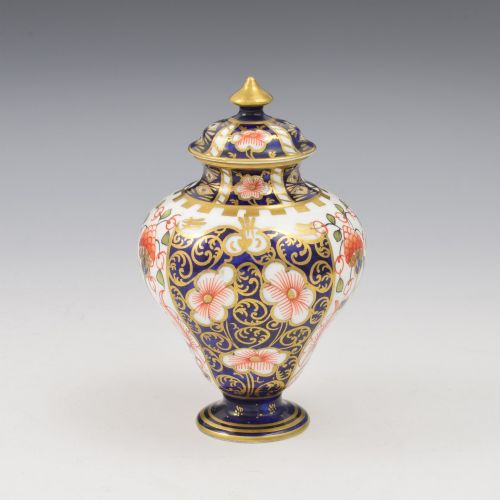
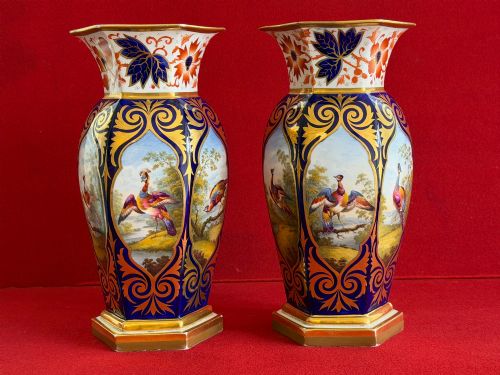
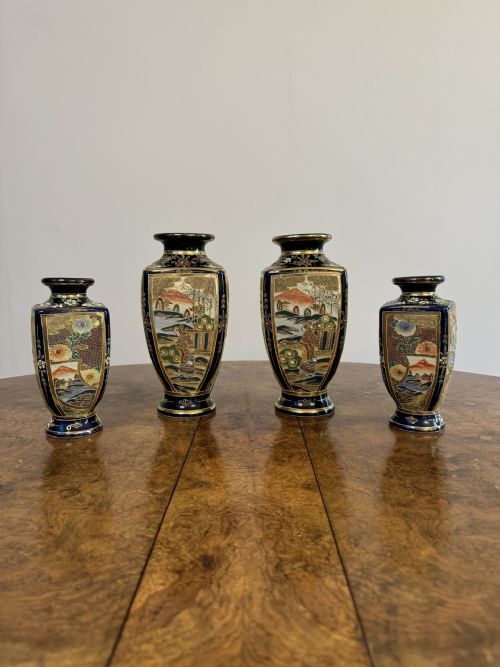
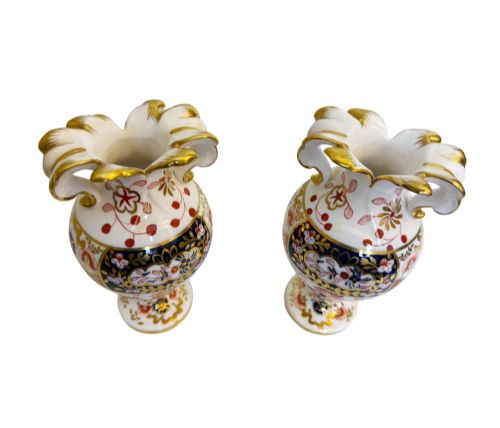
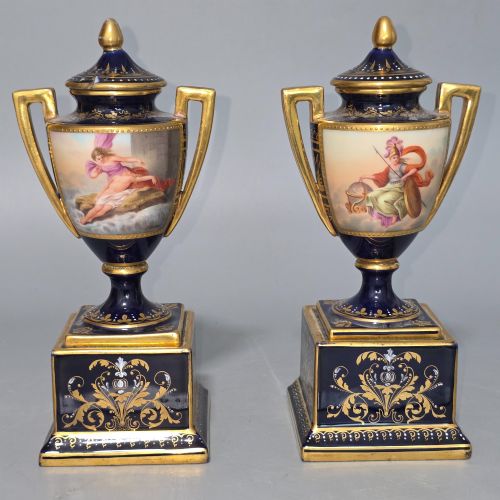
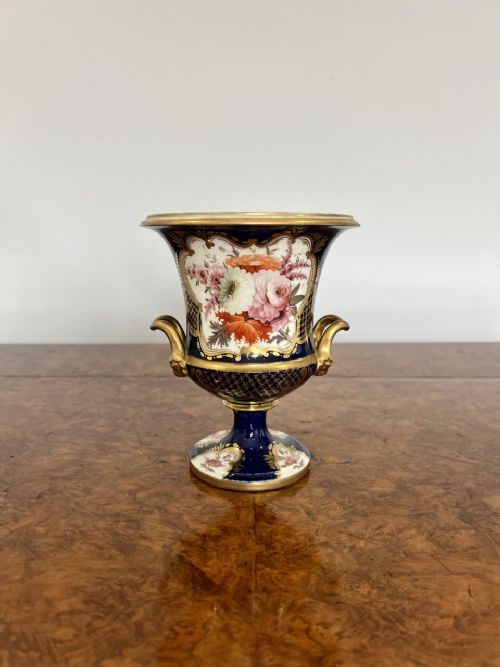
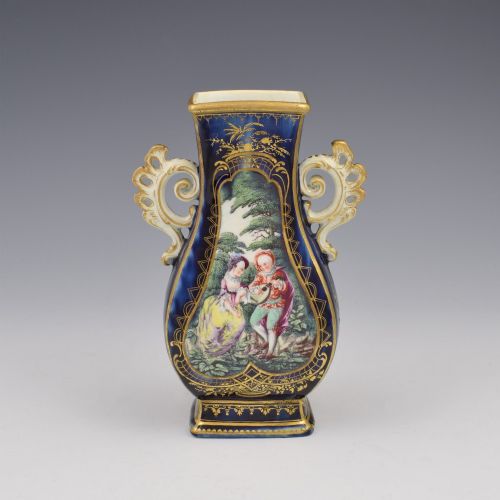
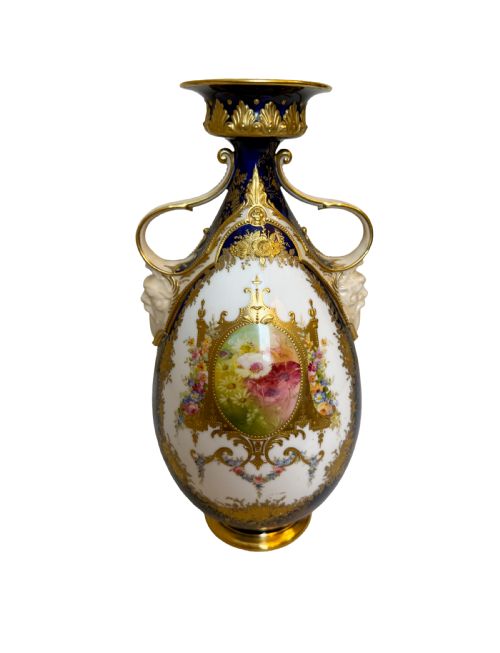
When you search for a blue and gold porcelain vase, you encounter a refined selection of decorative vessels spanning several centuries of European and Japanese production. The most common examples on this page are nineteenth-century creations, ranging from Regency pairs with intricate gilt handles to Victorian garnitures and Edwardian earthenware forms.
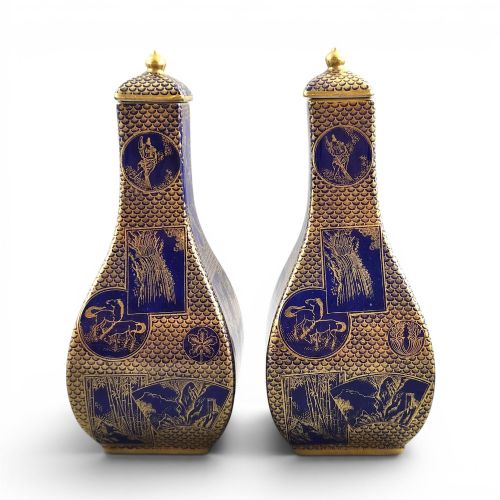
These objects take various shapes, including Campagna urns, amphora vases, lidded vessels, and bottle vases. Many items combine deep cobalt or mazarine blue grounds with rich gilding, enamel highlights, and hand-painted figural or floral scenes.
Materials and Techniques
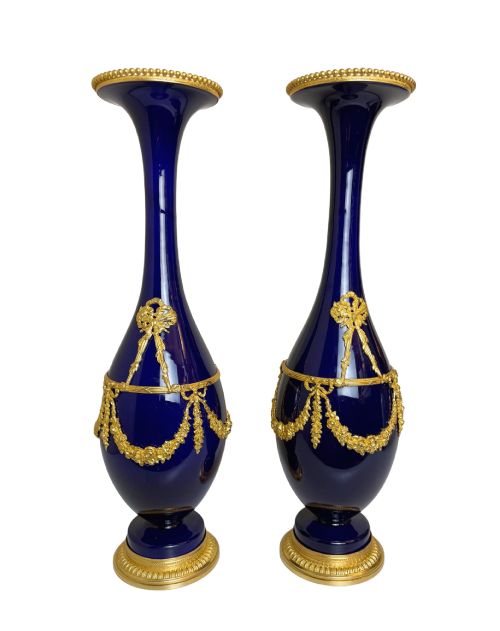
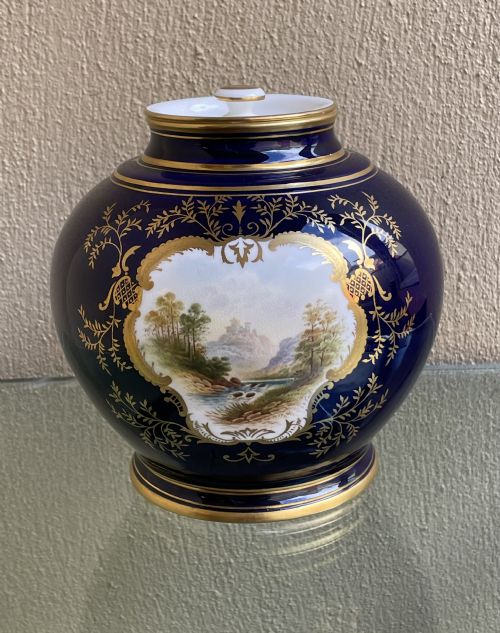
The makers formed these vessels using fine porcelain, ironstone, or earthenware, applying deep cobalt blue underglazes or rich enamel grounds to achieve saturated colour fields. Artisans then applied gold leaf, liquid gilding, or ormolu mounts to highlight handles, rims, and borders.
Decoration often involved meticulous hand-painting, transfer printing, or raised moriage work, followed by firing in a kiln to fuse the metallic lustre and enamel pigments permanently to the ceramic body.
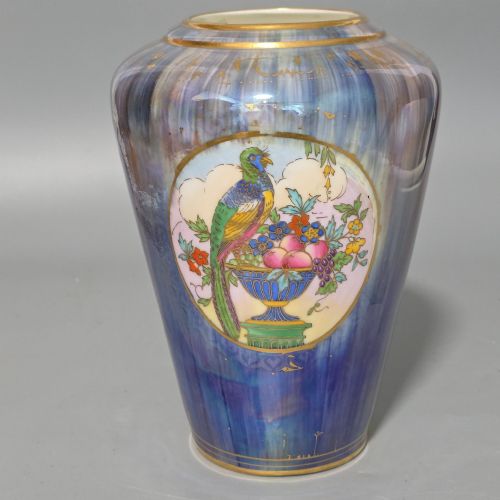
Storks, dragons, and parrots frequently peer out from the cobalt glaze, proving that historical decorators loved an animal cameo as much as we do.
Markers of Quality
Quality rests in the precision of the hand-painting and the crispness of the gilt detailing, where skilled brushwork elevates a standard vessel into a work of fine art. The weight of the porcelain, the symmetry of the form, and the presence of artist signatures or recognised factory marks indicate superior manufacture.
The integration of metal mounts, such as cast ormolu or gilt bronze trim, also separates standard production items from exceptional exhibition pieces designed for formal display.
Royal Crown Derby·Flight Barr And Barr·Spode·Mason S·Royal Doulton·Coalport·Minton·Carlton Ware·Royal Worcester·Wedgewood
The Blue and Gold Porcelain Vase Glossary
- Campagna urn
- A bell-shaped vessel with a flared rim and a pedestal foot, often associated with classical revival designs.
- Gilding
- The application of gold leaf or powdered gold onto the ceramic surface to create metallic decorative accents.
- Imari
- A decorative style featuring rich cobalt blue and iron red combined with extensive gold detailing, inspired by Japanese exports.
- Moriage
- A Japanese ceramic technique using piped clay to create raised, textured patterns beneath enamel and gold decoration.
- Ormolu
- Gilt bronze mounts attached to the base, rim, or handles of ceramic vessels to enhance their decorative presence.
Blue and Gold Porcelain Vase: Frequently Asked Questions
How do I care for a gilt porcelain vase?
Clean the surface gently with a soft, dry cloth to remove dust without disturbing the delicate gold leaf or enamel work. Avoid using water, abrasives, or chemical cleaners, which can wear away the historic gilding over time.
Keep the vessel out of direct sunlight to prevent any fading of the cobalt blue ground or hand-painted details. Handle the piece by its main body rather than protruding handles or mounts to ensure its structural safety.
Were these vessels used for flowers?
Many of these pieces were made as decorative ornaments rather than functional flower holders, serving as mantelpiece centrepieces or garniture sets. Their intricate gilding and painted scenes meant they functioned primarily to display wealth and artistic taste.
Some robust ironstone or stoneware examples could hold water, but most fine porcelain and earthenware versions risk water damage to internal glazes or painted interiors.
How do I distinguish eighteenth-century pieces from nineteenth-century copies?
Examine the paste, glaze quality, and factory marks underneath the base, as earlier pieces often feature hand-painted anchor or script marks. Nineteenth-century revival styles frequently mimic earlier aesthetics but utilise different kiln marks and standardised casting techniques.
Consulting recorded pattern numbers and stylistic markers helps determine whether a piece originates from an early period or a later Victorian revival workshop.
What does a garniture mean?
A garniture is a matching set of three, four, or five vases and urns designed to be displayed together on a mantelpiece or sideboard. These sets create a balanced, symmetrical arrangement that anchors a formal room scheme.
Individual pieces within a garniture often vary slightly in scale, with central lidded urns flanked by smaller matching vases.