

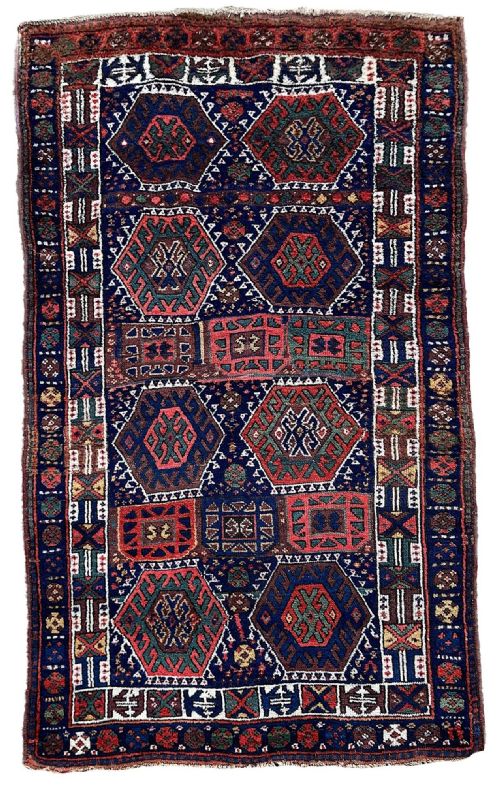


Blue Accent Carpet
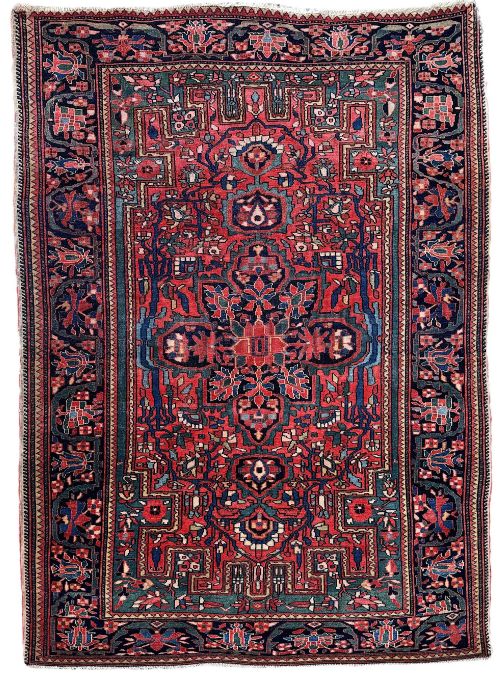
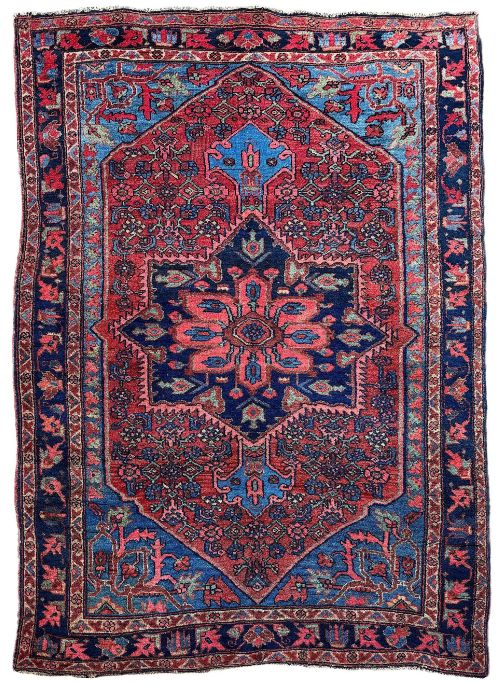
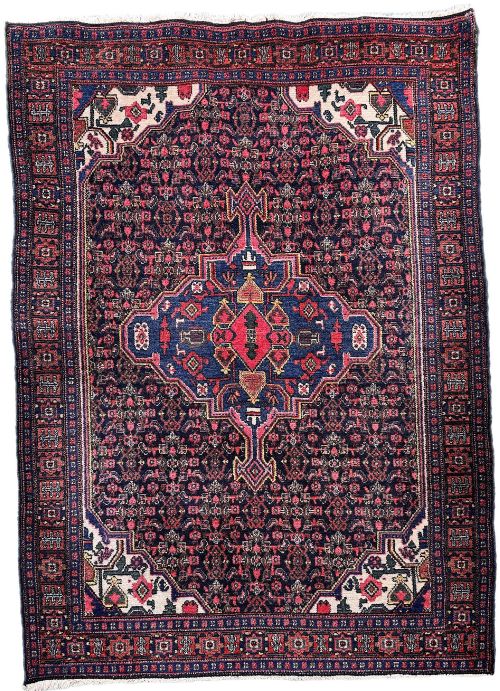
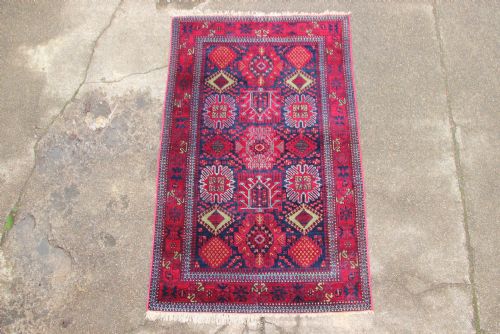
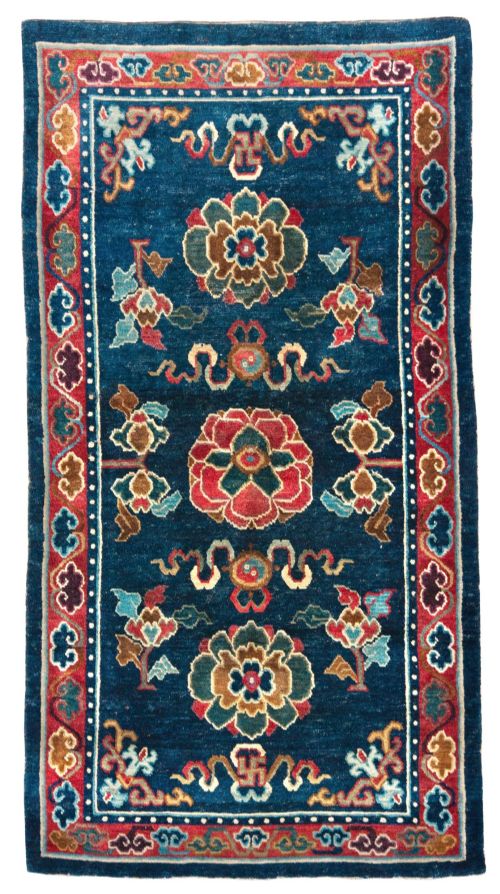
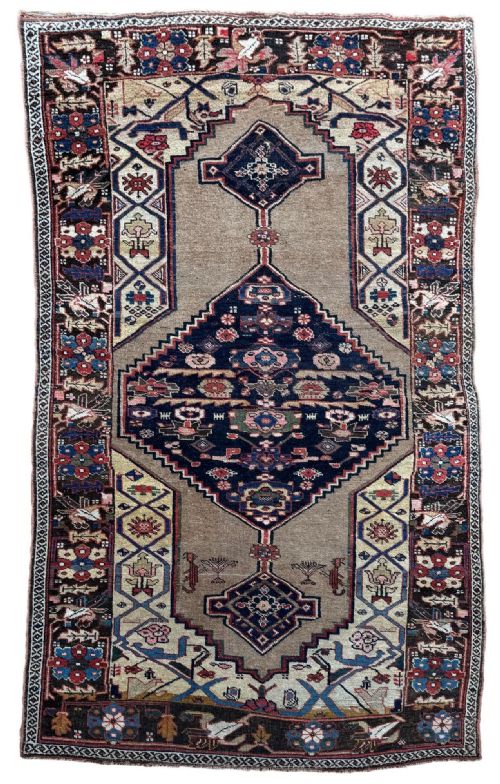
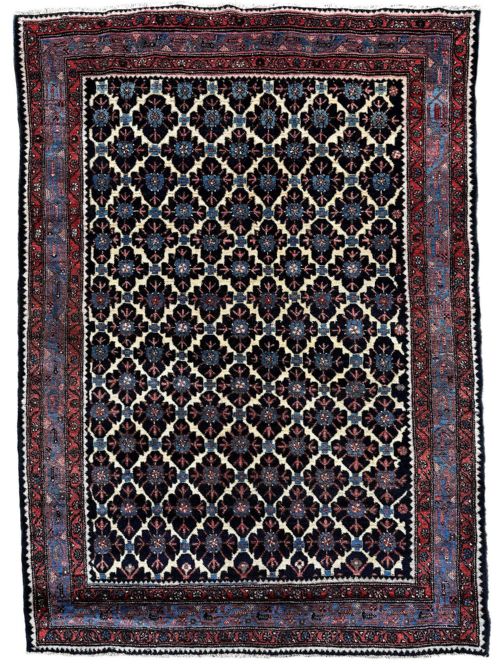
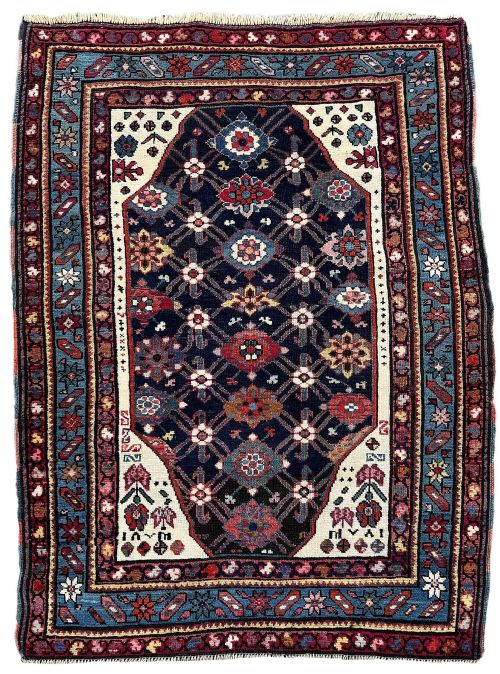
A blue accent carpet brings depth to a room through saturated indigo tones and intricate regional motifs.
Blue Accent Carpet
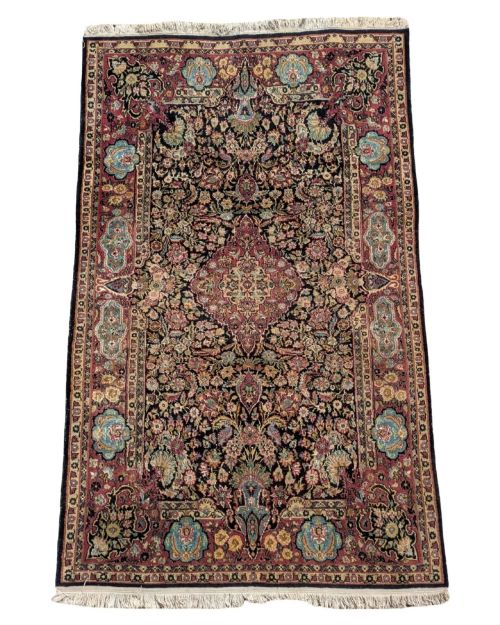
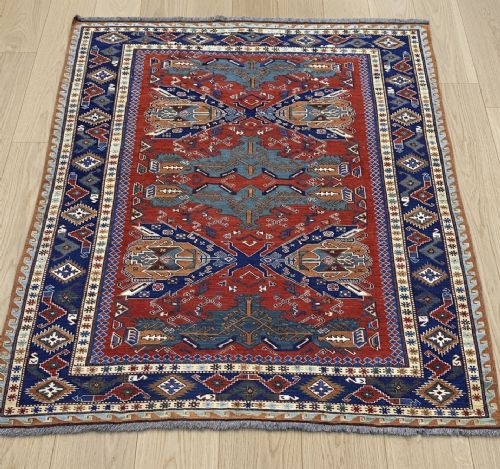
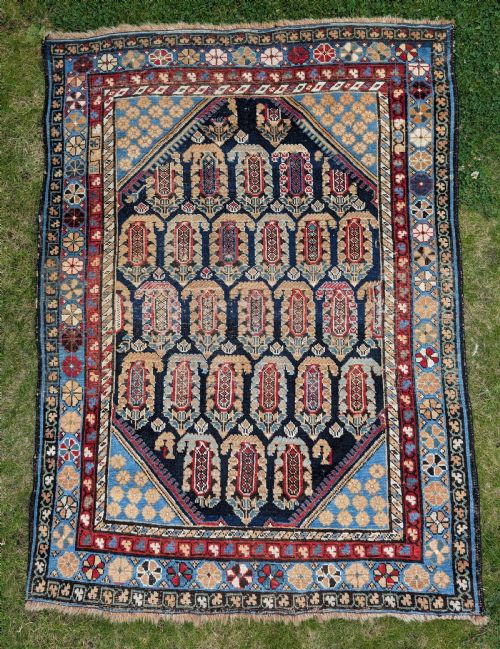
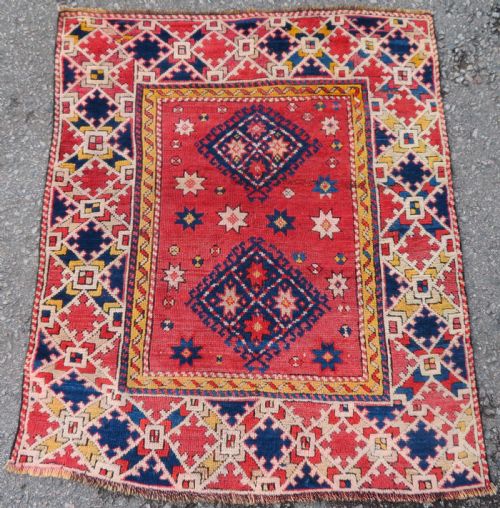
A blue accent carpet encompasses hand-woven rugs and floor coverings featuring dominant indigo and azure hues, originating primarily from Persian, Caucasian, and Anatolian weaving traditions. These pieces function visually to anchor a scheme, utilising natural dye palettes developed across village and tribal workshops.
The selections appearing in this inventory span the nineteenth and early twentieth centuries, capturing formats from small scatter rugs and prayer rugs to larger area carpets and cushions. Heriz, Afshar, and Baluch regions provide the bulk of these traditional regional forms.
Buyers seek these textiles to introduce historical texture and grounding colour into domestic interiors. The survival of these floor coverings demonstrates the durability of traditional knotting techniques applied across diverse regional workshops.
Materials and construction
Weavers utilised hand-spun wool and cotton warp foundations, occasionally incorporating silk highlights to articulate specific design details within the field. Natural dyes extracted from local flora and fauna provided the deep blues and contrasting tones seen across the pieces.
The physical structure relies on dense hand-knotting, which creates durable piles designed for heavy domestic use. Edge finishes and selvedges were worked by hand to secure the structure against fraying.
Blue Accent Carpet Retail Price Guide 2026
Typical asking prices for blue accent carpet among the pieces listed under this phrase on Sellingantiques today, from the lower quarter to the upper quarter. They describe what is for sale here now, not the wider market.
Some village weavers hid tiny misplaced motifs in border corners, trusting that an intentional asymmetry would ward off wandering evil spirits.
Quality variations
The fineness of the knot density and the precision of the geometric or floral layout dictate the technical standard of an individual piece. Greater density allows complex medallions and borders to maintain crisp visual definition.
The depth and saturation of the natural dye work significantly influence the visual appeal. Variations in wool quality affect the tactile handle and the way the pile reflects light across the surface.
The Blue Accent Carpet Glossary
- Medallion
- A central ornamental motif positioned in the middle of the carpet field. This design element often dictates the geometric symmetry of the surrounding pattern.
- Prayer rug
- A small format textile featuring a mihrab or arch design at one end, traditionally used for personal devotion. The niche motif directs the orientation of the user.
- Selvedge
- The reinforced side edges of a carpet formed by wrapping the outermost warp threads. Proper finishing prevents the sides from curling or unravelling.
- Warp
- The vertical foundation threads stretched tightly on the loom before knotting begins. Cotton and wool serve as the primary materials for these structural elements.
- Pile
- The vertical surface of yarn created by knotting wool, silk, or cotton around the warp threads. The height and density of this layer determine the tactile weight.
Blue Accent Carpet: Frequently Asked Questions
How do I clean an antique rug?
Professional dusting and gentle hand washing maintain the integrity of the natural fibres and dyes. Avoid harsh chemical treatments that strip the lanolin from the wool.
Regular vacuuming on a low suction setting without a rotating brush prevents dirt accumulation within the pile. Keeping the textile away from direct, harsh sunlight preserves the strength of the blue dyes.
Where were these rugs made?
The pieces originate from weaving centres across Persia, the Caucasus, and Anatolia. Tribal groups and village workshops produced these floor coverings using localized regional patterns.
Specific provinces such as Kerman, Heriz, and Shirvan developed distinct aesthetic traditions. These geographic origins dictate the specific border motifs and colour combinations found on each textile.
Can I use these rugs in high traffic areas?
Traditional construction methods utilising hand-spun wool and sturdy cotton foundations provide notable durability for domestic spaces. Denser knots withstand physical pressure better than loosely woven structures.
Placing a quality underlay beneath the textile prevents slipping and reduces friction against the floorboards. Regular rotation distributes wear evenly across the surface over years of use.
What indicates an older piece?
Natural dye variations, subtle colour shifts known as abrash, and hand-spun wool textures point toward nineteenth and early twentieth-century production. Irregularities in geometry often reflect manual village weaving.
Structural details such as wool warps and organic dye palettes distinguish these traditional examples from modern machine-made reproductions. Examining the reverse side reveals the knot structure and foundation materials.