
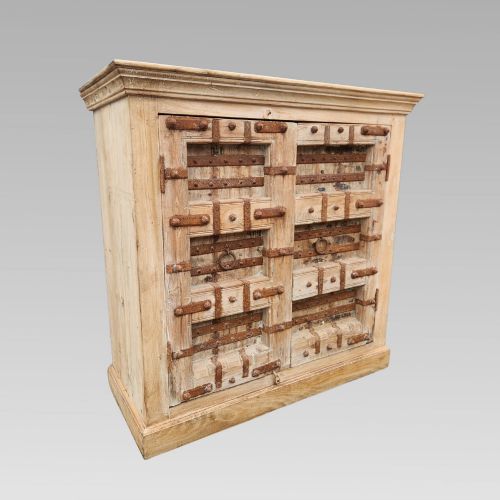
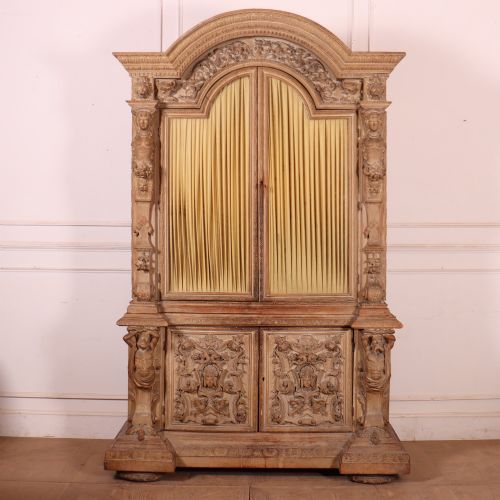


Bleached Wood Cabinet
A bleached wood cabinet brings pale, weathered warmth and useful storage to a room.
Bleached Wood Cabinet
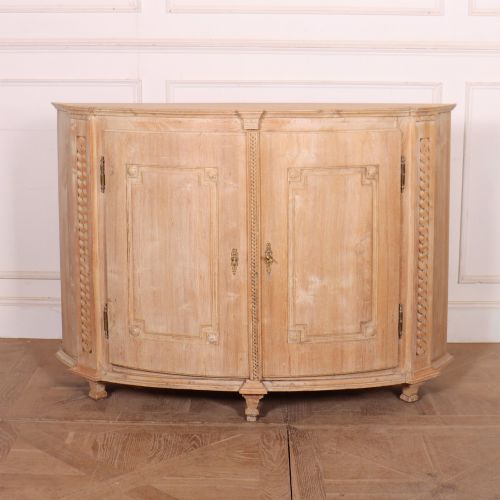
A bleached wood cabinet offers a pale, lighter finish that suits contemporary and traditional interiors alike. When you search for a bleached wood cabinet, you encounter forms ranging from compact bedside units to large cupboards and bookcases.
The selection on this page draws from several periods, including the eighteenth century, the nineteenth century, and twentieth-century decades up to nineteen thirty. Oak dominates the offerings, alongside teak, birds eye maple, and walnut.
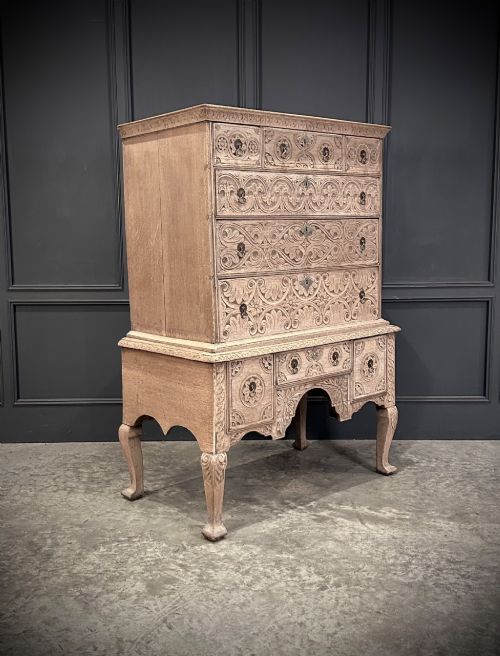
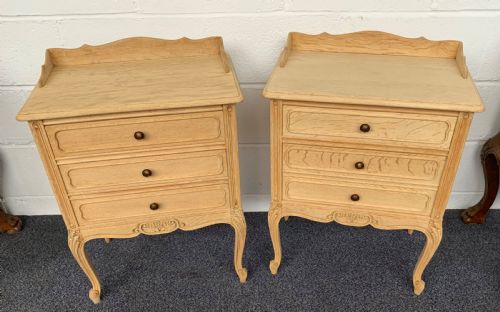
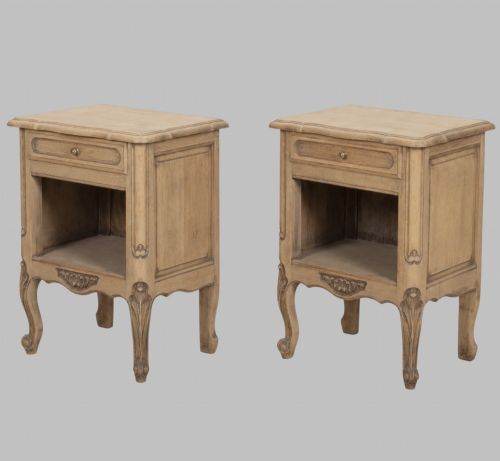
Bedside cabinets and bedside tables appear frequently in pairs, often dating to the early twentieth century. Larger storage pieces include chests on stands, open bookcases, and grand cupboards finished in lighter tones.
Materials and construction
Makers built these pieces primarily in solid oak, walnut, and teak, integrating brass hardware, iron fittings, and glass panels where appropriate. Structural integrity relied on traditional joinery methods suited to heavy timbers.
The defining characteristic of these pieces is the lightened surface treatment, which strips back dark finishes to reveal the natural grain underneath. Some items incorporate carved details, such as the carved wood and Italian Renaissance Revival elements seen in certain cupboards and vitrines.
Judging quality and proportion
Quality in these pieces rests on the balance of proportions and the integrity of the timber beneath the lighter finish. Better examples show careful attention to grain patterns, ensuring the bleaching process enhances rather than flattens the natural character of the wood.
Hardware selection and decorative carving separate standard storage from finer examples. Original brass fixtures and well-executed regional details, such as French Provincial or Swedish Empire Revival motifs, elevate the presence of the cabinet.
The Bleached Wood Cabinet Glossary
- Bleached oak
- Timber treated with chemical or mechanical lighteners to reduce its original dark tone. This process highlights the natural growth rings and texture of the wood.
- Birds eye maple
- A figured timber showing small dots resembling bird's eyes across the grain. It provides a distinctive decorative surface on larger revival cupboards.
- Chest on stand
- A case piece raised on legs or a separate base frame. This form lifts storage off the floor to create a lighter visual profile.
- Commode
- A low chest of drawers or cabinet originating from French furniture forms. The term covers various elegant storage units from the eighteenth and nineteenth centuries.
Bleached Wood Cabinet: Frequently Asked Questions
How do I care for a bleached wood cabinet?
Keep the surface clean using a dry or slightly damp cloth without harsh chemical polishes. Avoid placing the timber in direct sunlight to maintain the pale finish.
Wax or gentle specialist oils can nourish the wood periodically if the finish begins to dry out.
What periods do these cabinets come from?
The pieces span from the eighteenth century through the nineteenth century and into the twentieth century. Twentieth-century examples frequently date from the nineteen twenties and nineteen thirties.
Revival styles also draw inspiration from earlier historical periods like the Swedish Empire and the Italian Renaissance.
Are bedside cabinets usually sold as pairs?
Many bedside units on this page appear as matched pairs, particularly those dating to the early twentieth century. Single bedside tables and larger cupboards also feature in the selection.
Pairs offer symmetry for a bedroom scheme while providing practical surface space and enclosed storage.
What woods are used in these cabinets?
Oak is the most common timber found across these listings, appearing in eighteenth-century chests and twentieth-century bedside cabinets. Other materials include walnut, teak, and figured birds eye maple.
Metal elements like brass and iron often provide hinges, handles, and structural supports.