
Antique Shelving Cabinet
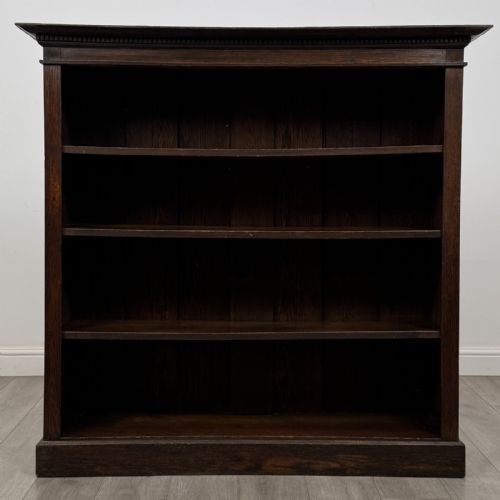
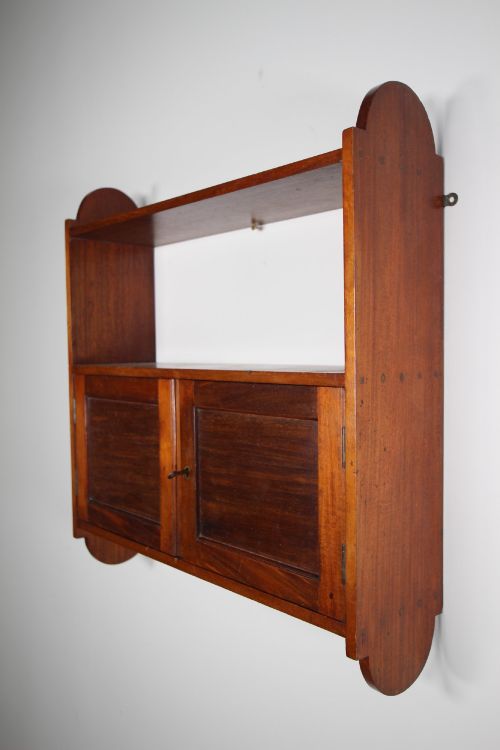
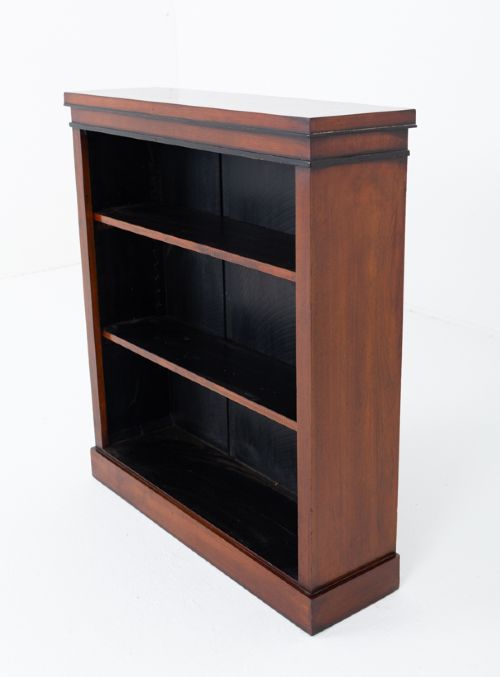
An antique shelving cabinet is a practical piece of period furniture designed for storage and display, appearing here primarily in mahogany, oak, and walnut forms.
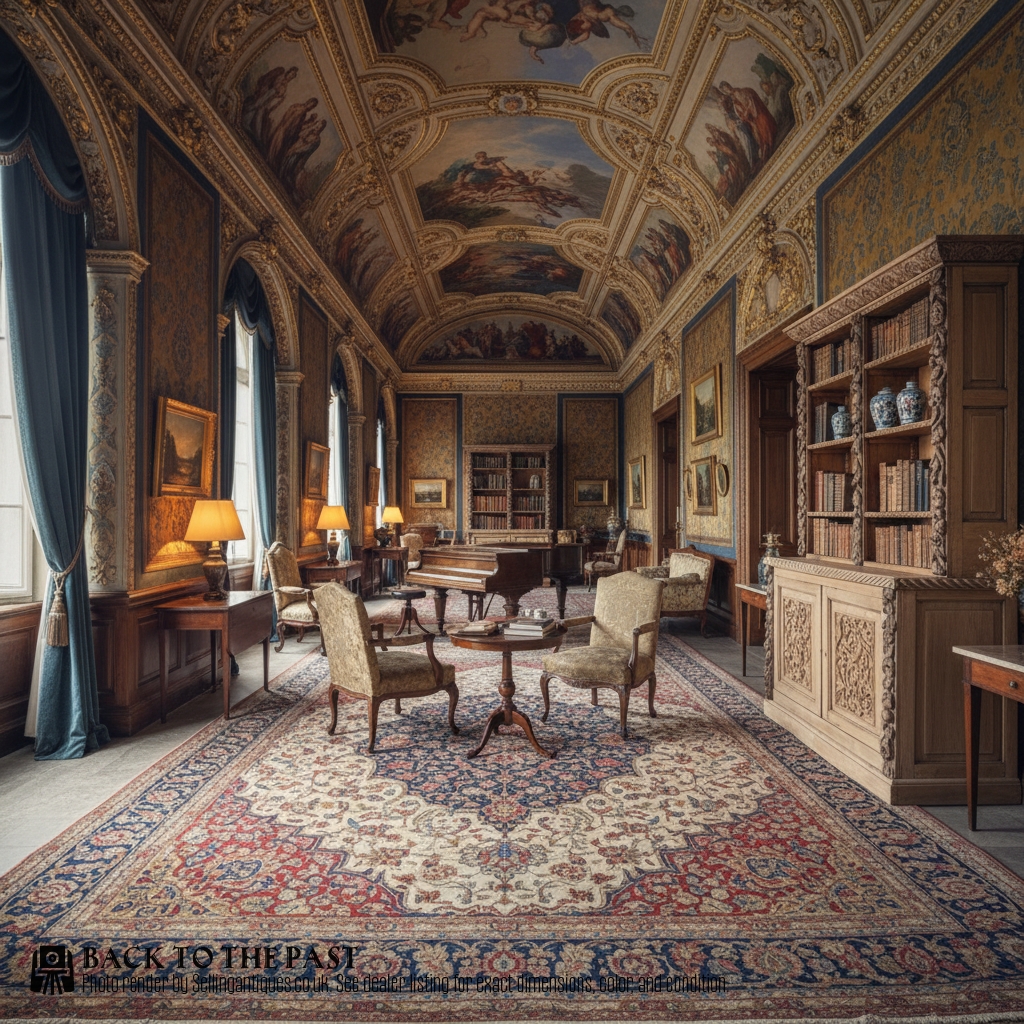
Antique Shelving Cabinet
When buyers search for an antique shelving cabinet, they encounter a range of storage furniture including open bookcases, glazed display cabinets, and Welsh dressers. The selection spans the nineteenth century through the Edwardian era and into the early twentieth century, showing a strong presence of mahogany and oak.
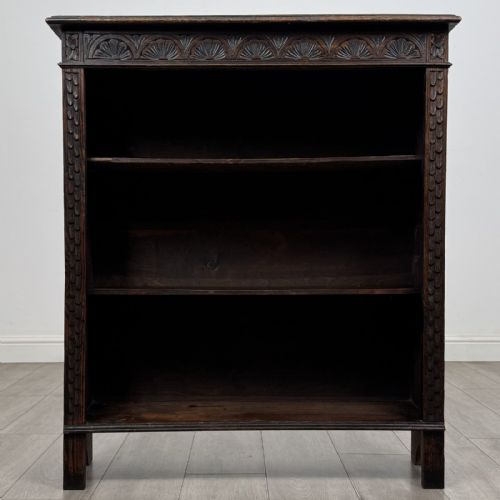
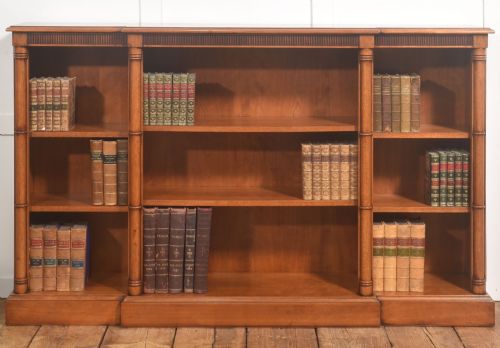
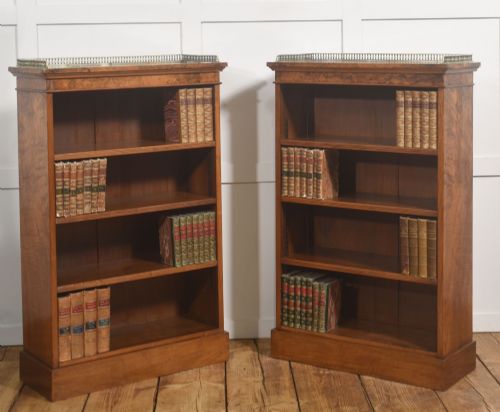
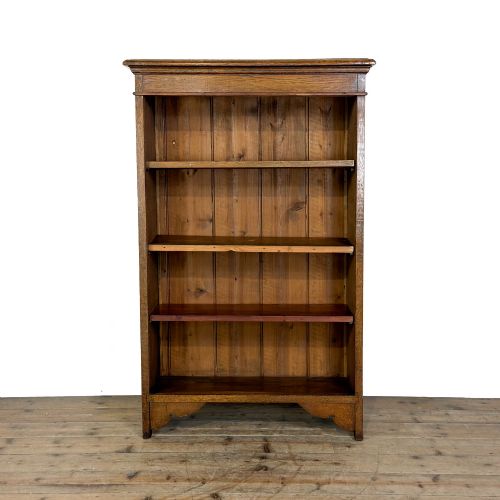
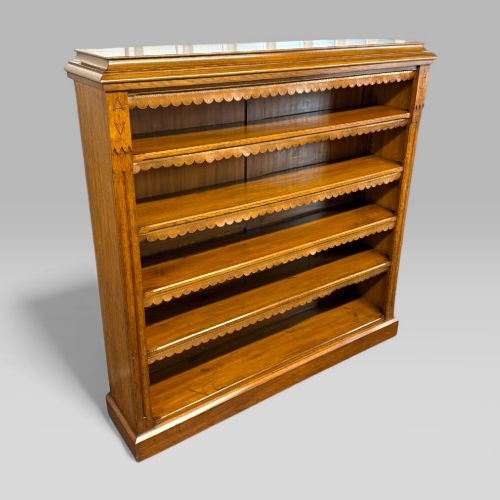
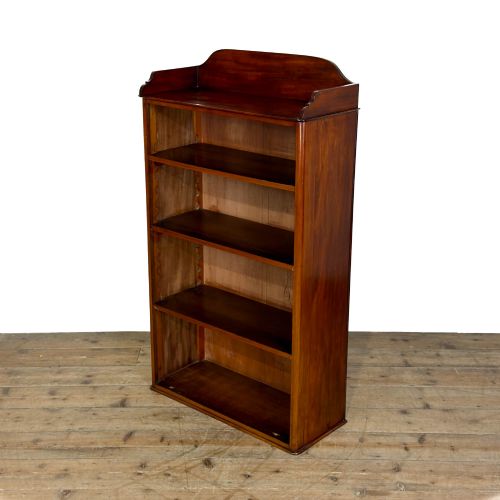
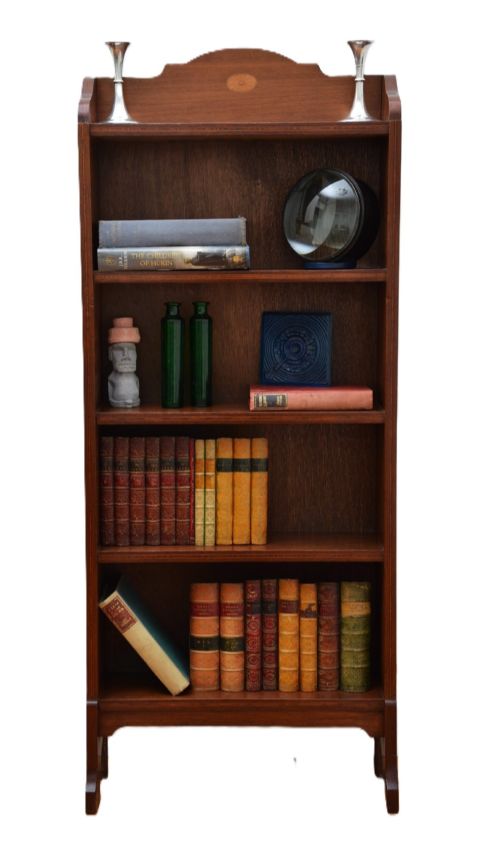
Most examples found on this page take the form of open bookcases or fitted library cabinets with adjustable shelves. These pieces originate from periods such as the Victorian and Edwardian eras, utilising timbers like walnut, rosewood, and pine alongside mahogany and oak.
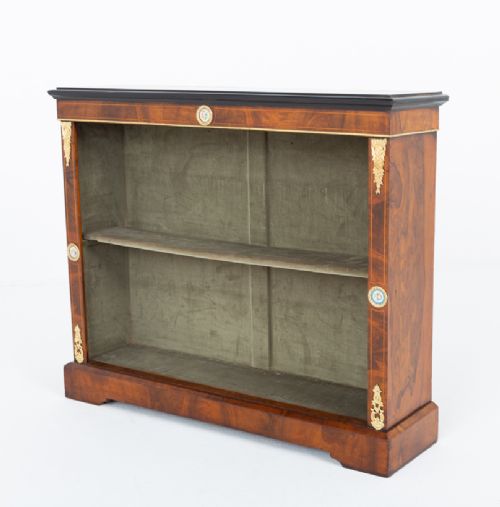
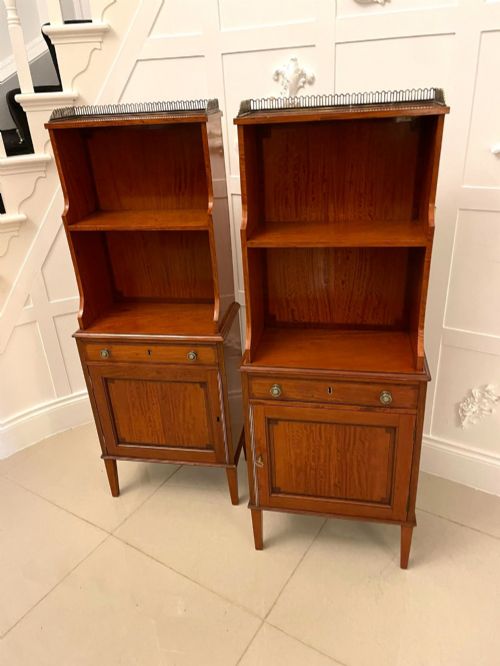
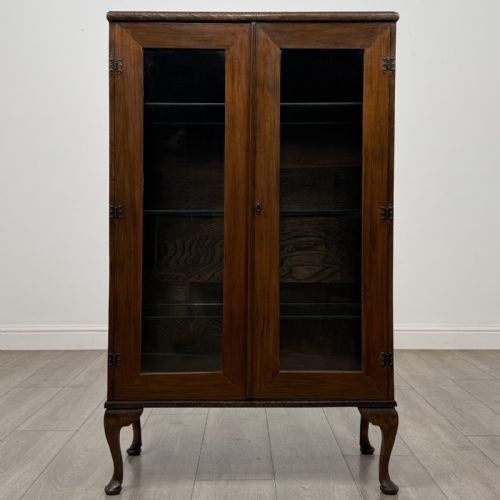
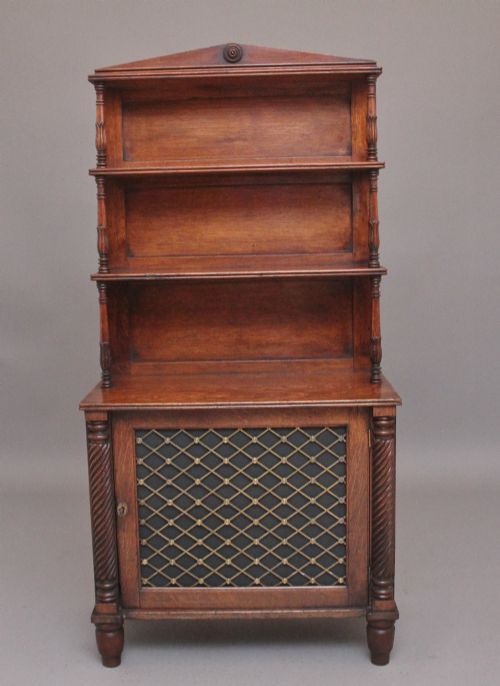
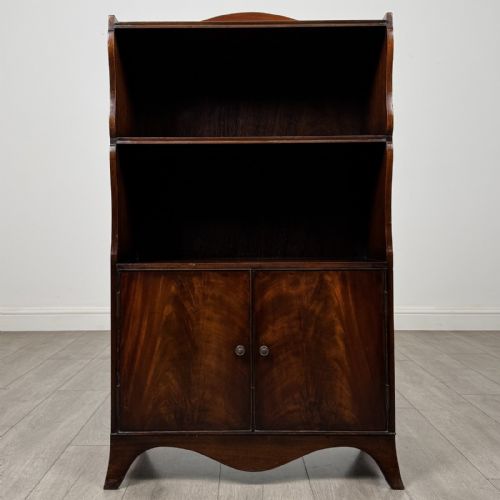
The assortment also includes specialised pieces such as corner cabinets, waterfall bookcases, and desktop cartonniers mounted with ormolu. Regional and stylistic variations bring in French provincial designs, Jacobean revival details, and Art Deco influences across the centuries.
Materials and construction methods
Cabinet makers built these pieces using solid and veneered timbers, predominantly selecting mahogany, oak, and walnut for their structural durability and grain patterns. Rosewood and burr walnut appear on finer pieces, offering rich colour and striking figure.
Construction techniques involved the use of adjustable wooden shelving, beaded edges, and carved detailing, sometimes supported by brass castors. Glazed doors protected contents on display, while specialised hardware such as ormolu mounts added decorative contrast to rosewood and walnut surfaces.
Listings feature timbers including oak, mahogany, walnut, rosewood, pine, and burr walnut across the Victorian, Edwardian, and Regency periods.
Judging quality and craftsmanship
The distinction between standard and superior pieces rests on timber selection, such as figured walnut or solid mahogany, and the presence of fine details like inlaid marquetry or ormolu mounts. Finer examples display careful proportion and thoughtful construction, including adjustable shelving systems that operate smoothly.
Johnstone and Jeanes
The Antique Shelving Cabinet Glossary
- Waterfall bookcase
- A shelving unit where the shelves decrease in depth from bottom to top, often featuring tiered sides. This form became popular during the Regency and Edwardian periods.
- Cartonnier
- A desktop cabinet containing compartments or drawers for organising papers and documents. These pieces frequently feature decorative mounts.
- Breakfront
- A piece of furniture where the central section projects forward from the flanking wings. This architectural arrangement creates depth and visual interest in larger bookcases.
- Ormolu
- Gilt bronze applied as a decorative mount to furniture. It provides metallic contrast against dark timbers like rosewood and walnut.
- Welsh dresser
- A traditional combination of lower cupboards or drawers surmounted by open plate racks or shelving. Oak is the primary timber for these robust domestic pieces.
Antique Shelving Cabinet: Frequently Asked Questions
What is an antique shelving cabinet used for?
These cabinets served primarily for the storage and display of books, china, and household goods in period homes. Open versions offered immediate access to volumes, while glazed or fitted doors protected delicate items.
Today, they function effectively in modern rooms for organising libraries or displaying collections while retaining their historical character.
How do I tell Victorian from Edwardian pieces?
Victorian pieces, generally produced between eighteen thirty-seven and nineteen oh one, often feature darker timbers like mahogany and walnut, with heavier proportions and richer carving. Edwardian furniture from the early twentieth century tends to be lighter in feel, frequently utilising oak and exhibiting simpler lines or Arts and Crafts influences.
Examining the construction methods and secondary woods helps confirm the era of manufacture.
Are the shelves adjustable on these cabinets?
Many period bookcases and library cabinets feature adjustable shelving systems supported by wooden ratchets, brass studs, or shelf slips. This allowed owners to alter shelf heights to accommodate books of varying sizes.
Original adjustable mechanisms remain a desirable feature for collectors and daily users alike.
How should I care for a wooden shelving cabinet?
Maintain timber cabinets by placing them away from direct heat sources and strong sunlight, which can dry out rosewood, mahogany, and oak over time. Apply traditional beeswax periodically to nourish the grain and preserve the finish.
Avoid excessive moisture and dust gently with a soft, dry cloth.