

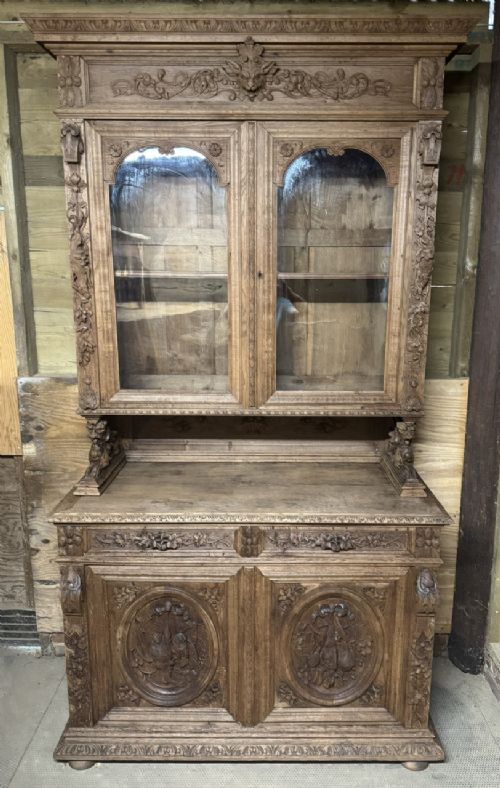
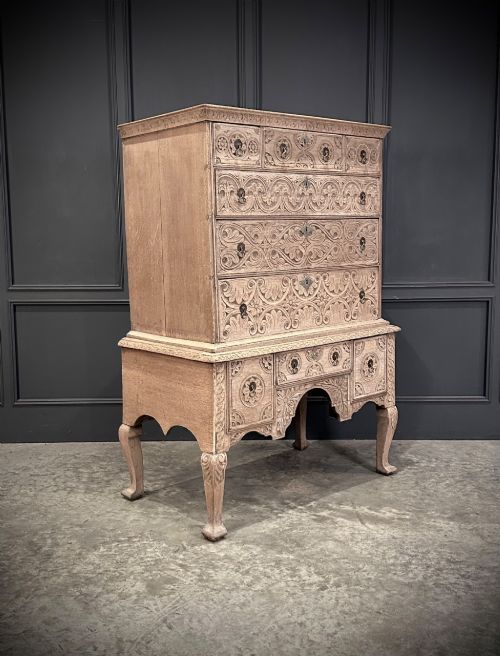


Bleached Oak Storage Cabinet
A bleached oak storage cabinet brings pale timber and serious capacity to a room, offering practical storage with historic character.
Bleached Oak Storage Cabinet
When you search for a bleached oak storage cabinet, you encounter substantial timber furniture designed to hold linens, provisions, or household items while lightening the visual weight of heavy wood. The examples found here span several centuries and styles, ranging from eighteenth-century provincial cupboards to pieces dating to nineteen-twenty.
You are most likely to meet French regional forms, such as armoires, buffets, and larder cupboards, alongside Georgian chests on stand and Dutch linen cupboards. These functional items reflect domestic storage needs across rural and formal interiors, translated through oak timber treated to achieve a lighter finish.
The objects combine utility with regional decorative traits, including carved details, iron or brass hardware, and architectural doors. Each form serves a distinct domestic purpose, from bedside cabinets to large sideboards and bookcases.
What varies in quality
The standard of a bleached oak storage cabinet depends heavily on the crispness of the original timber carving and the integrity of its structural proportions. Superior examples retain their original backboards, heavy brass or iron hardware, and balanced door alignments without excessive timber shrinkage.
Regional execution dictates refinement, where sophisticated Dutch neoclassical or Georgian proportions contrast with robust French provincial framing. The depth of the colour and the honesty of the bleached or scrubbed surface finish also separate exceptional pieces from heavier, less harmonious treatments.
Bleached Oak Storage Cabinet Retail Price Guide 2026
Typical asking prices for bleached oak storage cabinet among the pieces listed under this phrase on Sellingantiques today, from the lower quarter to the upper quarter. They describe what is for sale here now, not the wider market.
The listings here feature oak cabinets spanning from the eighteenth century through to nineteen-twenty, incorporating brass and iron hardware.
The Bleached Oak Storage Cabinet Glossary
- Bleached oak
- Oak timber treated to lighten its natural dark tone, exposing the grain with a pale, scrubbed finish. This treatment lightens the visual mass of large storage furniture.
- Chest on stand
- A tall drawer unit elevated on an open base or legs, separating the heavy storage volume from the floor. This form provides substantial capacity while maintaining a lighter footprint.
- Buffet de corps
- A large French dining-room storage piece combining a lower sideboard base with an upper cabinet section. It serves as a monumental display and storage vessel.
- Larder cupboard
- A tall cabinet originally designed for food storage, featuring ventilated or panelled doors to protect provisions. These pieces offer deep interior shelving and substantial vertical capacity.
- Commode
- A low chest of drawers, often standing on short legs, used traditionally for bedroom storage. The form incorporates decorative handles and substantial timber top surfaces.
Bleached Oak Storage Cabinet: Frequently Asked Questions
What is a bleached oak storage cabinet used for?
These cabinets serve as practical storage solutions for clothing, tableware, linens, or household goods in modern and traditional interiors alike. Their deep shelving and substantial drawer capacity hide clutter while introducing historic timber texture to a room.
Beyond simple storage, they function as architectural focal points due to their pale wood finish and generous proportions. Placed in hallways, living spaces, or kitchens, they combine utility with enduring decorative presence.
How do I care for bleached oak furniture?
Maintain the pale finish by dusting regularly with a dry, soft cloth and avoiding harsh chemical polishes that can discolour the light timber grain. Keep the furniture away from direct heat sources and strong sunlight to prevent excessive drying or warping of the old oak.
Feed the wood occasionally with a suitable natural wax if the surface begins to look dry, rubbing it thoroughly into the grain. Promptly wipe away any liquid spills to protect the porous scrubbed timber from staining.
How can I tell the period of these cabinets?
Examine the construction methods, nail types, hinges, and timber patination visible on the interior and backboards of the piece. Eighteenth-century examples often display hand-planed surfaces, pegged joinery, and wrought iron hardware characteristic of early provincial workshops. In contrast, pieces from nineteen-twenty frequently reflect revival styles like Jacobean or Gothic revivals, showing machine-assisted joinery alongside hand-finished details. Comparing the stylistic moulding profiles to established period patterns helps confirm the date of origin.
Are these cabinets difficult to place in a modern home?
Their pale bleached finish makes these cabinets surprisingly adaptable to contemporary interiors compared to dark, heavy antique furniture. The lighter wood tone softens their imposing scale, allowing them to blend easily into neutral or minimalist colour schemes.
Measure your ceiling height and floor space carefully before purchasing, as pieces like armoires and larder cupboards possess substantial vertical and lateral bulk. Ensure adequate clearance for heavy panelled doors to swing fully open within your chosen room layout.