

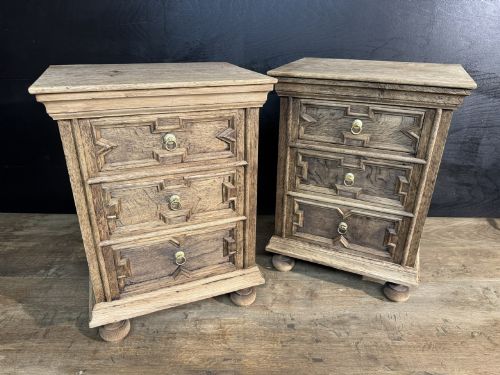
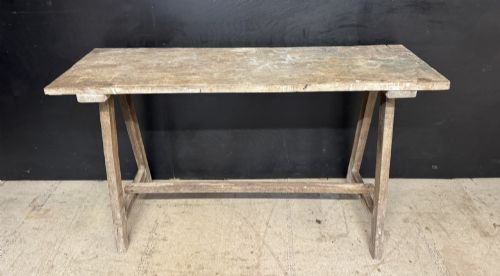
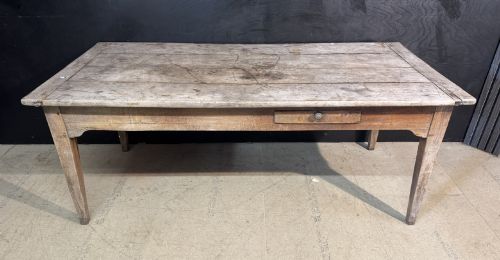
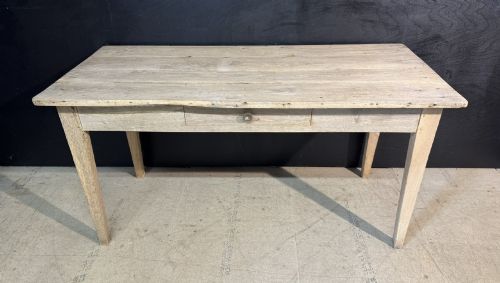


Bleached Oak Side Table
A bleached oak side table brings a pale, weathered timber surface and sturdy utility to a room, fitting easily beside seating or against a wall.
Bleached Oak Side Table
When you search for a bleached oak side table, you encounter compact utilitarian furniture shaped from sturdy timber that has been treated to achieve a pale, scrubbed finish. These pieces serve as practical surfaces for lamps, writing, or display, originating from various periods including the Georgian era, the nineteenth century, and the early twentieth century.
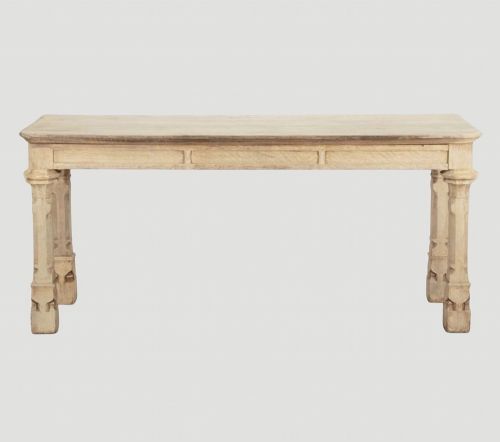
The selections available here include side tables, console tables, lamp tables, drapers tables, and bedside tables. Many examples reflect styles such as Georgian, Neoclassical Revival, French Provincial, and Gothic, showing how makers adapted domestic furniture forms across different European traditions.
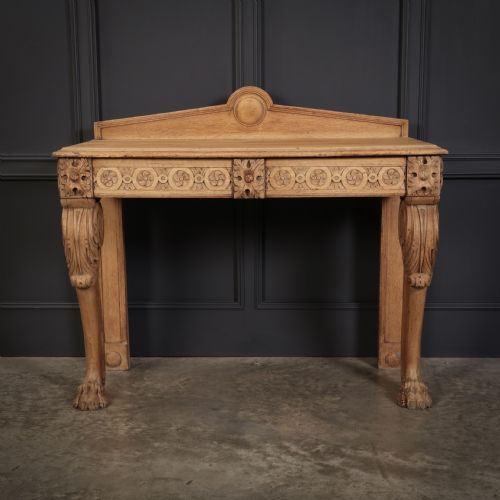
You are most likely to meet nineteenth-century examples and twentieth-century interpretations on this page, often featuring carved details or simple rectangular tops. The underlying construction relies on solid wood, presenting a lighter visual weight than dark, unbleached brown furniture.
How they were made
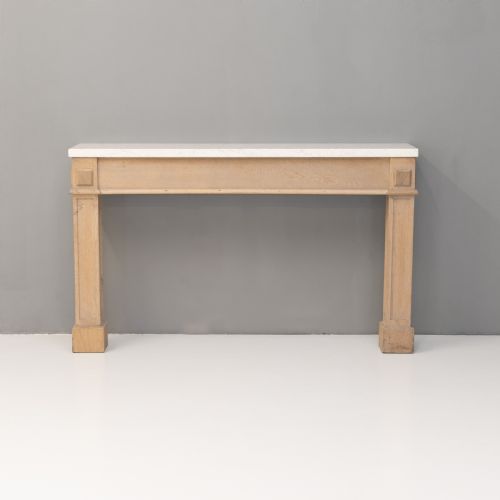
The primary material across these pieces is oak, sometimes paired with secondary timbers like sycamore or accented with brass fittings and marble inserts. Artisans constructed the frames using traditional joinery, shaping legs and side rails to support the load of daily use.
The characteristic pale tone results from historical scrubbing, weathering, or chemical bleaching processes applied to raw wood. Carved decoration appears on select items, executed by hand to add moulding, fluting, or gothic motifs to the structural framework.
Bleached Oak Side Table Retail Price Guide 2026
Typical asking prices for bleached oak side table among the pieces listed under this phrase on Sellingantiques today, from the lower quarter to the upper quarter. They describe what is for sale here now, not the wider market.
The records show materials including oak, bleached oak, brass, wood, and marble across multiple decades.
What varies in quality
Quality in a bleached oak side table rests upon the crispness of the timber's grain and the integrity of its joinery. Superior examples maintain structural rigidity without excessive wobble, while lesser items may suffer from loose joints or poorly executed alterations.
The depth and consistency of the bleached finish also distinguish finer pieces from coarser ones. A well-finished surface preserves the natural figure of the oak without masking the texture beneath, whereas inferior treatments can appear flat or chalky.
The Bleached Oak Side Table Glossary
- Bleached oak
- Oak timber that has been lightened in tone through chemical treatment, sunlight exposure, or rigorous scrubbing. This process highlights the natural grain pattern while removing the dark reddish-brown hues typical of antique oak.
- Console table
- A table designed to stand against a wall, frequently supported by two front legs with the rear fixed to the wall structure. These pieces often function in hallways or reception rooms.
- Drapers table
- A long, narrow table traditionally used in textile trade and domestic storage. In domestic settings, these pieces offer extended surface utility and open lower frames.
- Neoclassical revival
- A stylistic movement drawing inspiration from classical Greek and Roman architecture and furniture design. Pieces in this style typically feature restrained ornamentation, symmetry, and classical motifs.
Bleached Oak Side Table: Frequently Asked Questions
Where should I put a side table?
These tables fit comfortably beside armchairs, sofas, or beds to hold lamps and daily items. They also function well against hallway walls as console surfaces for keys and post.
The modest footprint allows them to occupy awkward corners or narrow spaces without crowding a room.
How do I clean bleached oak?
Dust the surface regularly with a dry or slightly damp cloth to prevent grime buildup. Avoid harsh chemical cleaners that might strip or alter the pale timber finish.
Applying a suitable wax or protective seal occasionally helps guard against moisture rings and staining from daily use.
Are these tables solid wood?
The pieces recorded here use oak and related timbers throughout their construction. Solid wood forms the tops, legs, and structural frames of these functional items.
This material choice provides the durability needed for furniture intended to bear weight and withstand regular handling.
How can I tell the age of a table?
Age is indicated by construction methods, tool marks left on the wood, and the overall style of the piece. Nineteenth-century and Georgian examples display joinery techniques typical of their respective periods.
Comparing the form and secondary woods against known historical styles helps clarify when a piece was made.