



Black Wood Showcase
These black wood showcase pieces are dark-finished display furniture and glass domes built to present specimens and shop goods.
Black Wood Showcase
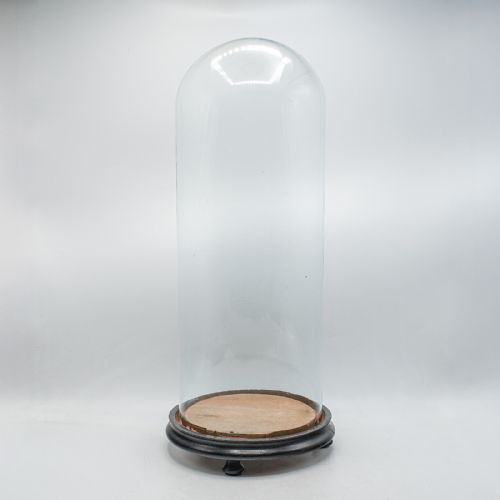
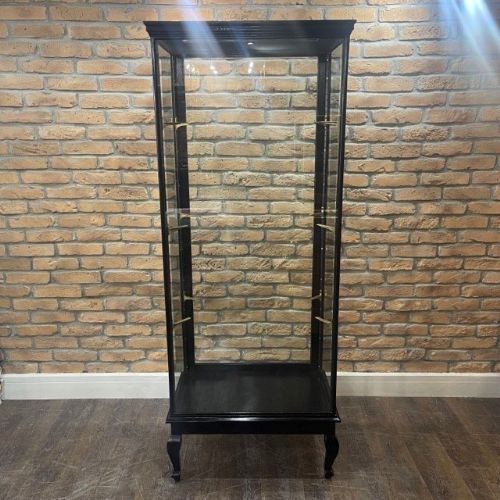
When you search for a black wood showcase, you are looking at dark-finished display furniture and glass domes designed to present specimens and retail goods. The listings span Victorian, Edwardian, and 1920s periods, taking the form of tall tower cabinets, shop counters, and glass display domes.
The most common examples on this page are Victorian taxidermy domes with ebonised wooden bases, alongside 1920s ebonised tower cabinets and commercial shop counters. These pieces originate from domestic and retail settings, utilising dark timber finishes to frame the objects inside.
How they were made
Construction relies on timber, often ebonised to create a deep black finish, combined with clear glass panels and domes. Internal linings utilise felt, velvet, and various fabrics to cushion and display the contents.
Hardware incorporates brass fittings alongside structural timber and glass. Joinery reflects the commercial and domestic demands of Victorian, Edwardian, and early twentieth-century workshops.
Listings feature periods spanning from the Victorian era through the Edwardian period to 1930s commercial designs.
What varies in quality
Quality shows in the proportion of the ebonised woodwork and the clarity of the glass domes or panels. Heavier commercial pieces, such as shop counters and tower cabinets, demonstrate the robust construction required for retail environments.
Refinement appears in the handling of the timber finish and the integrity of the original fabric or felt linings. Earlier Victorian examples often display finer joinery in the wooden bases of taxidermy domes compared to later commercial production.
Sage And Co·Quincy Showcase Works
The Black Wood Showcase Glossary
- Ebonised wood
- Timber treated with a dark stain or finish to resemble ebony. This dark surface provides a stark contrast to highlighted objects.
- Display dome
- A blown glass cover resting on a wooden base to protect fragile specimens. These circular or oval covers are typical of Victorian taxidermy presentation.
- Tower cabinet
- A tall, vertical display case with glass sides for viewing items from multiple angles. These units were built for commercial retail display.
- Shop counter
- A low display cabinet positioned to present goods directly to customers across a retail workspace. They combine glazed viewing areas with sturdy timber framing.
Black Wood Showcase: Frequently Asked Questions
What fits inside a black wood showcase?
These pieces accommodate taxidermy specimens, mantel clocks, and delicate collectables within enclosed glass domes or tall cabinets. The interior space is designed to protect objects from dust while maintaining visibility.
Larger tower cabinets and shop counters suit larger collections or retail merchandise, whilst domes are specifically proportioned for single prominent items.
How do I date an ebonised showcase?
Dating relies on construction methods, glass characteristics, and the style of the wooden base or cabinet frame. Victorian examples often feature hand-blown glass domes on heavy ebonised wooden plinths.
Later pieces from the 1920s and 1930s typically exhibit more commercial framing, such as the construction found in shop counters and tower cabinets.
Were these cabinets made for homes?
Some pieces, particularly the glass domes, were created for domestic display rooms to house taxidermy and ornamental clocks. Other items served commercial functions in shops and retail counters.
Tower cabinets and shop counters originated in commercial environments before entering the antique market for modern home interiors.
How do I care for ebonised wood?
Maintenance involves dusting with a soft, dry cloth to protect the dark surface finish. Avoid harsh chemical cleaners that can strip the ebonised treatment from the timber.
Glass panels and domes respond well to standard glass cleaner applied sparingly to a cloth rather than sprayed directly near the wood.
Are the glass domes removable?
Glass domes generally lift off their wooden bases to allow access to the interior display space. Care is required when lifting them due to the weight and fragility of the blown glass.
Cabinets feature hinged or sliding doors rather than removable panels, reflecting their permanent architectural construction.