





Black Wood Bookcase
These black wood bookcase pieces bring dark surface and clean proportion to a room, offering a serious backdrop for rows of bound volumes.
Black Wood Bookcase
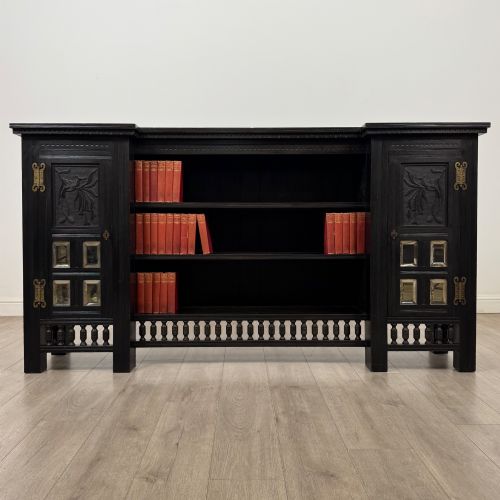
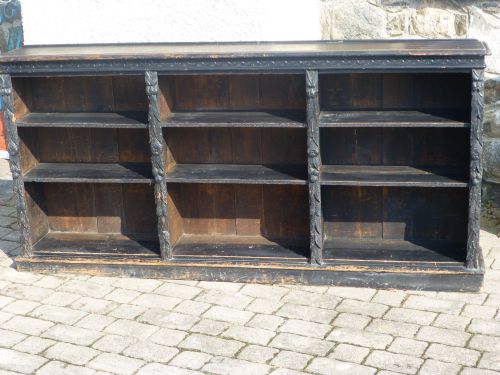
A black wood bookcase takes many forms across the nineteenth and eighteenth centuries, ranging from low open dwarf shelves to tall breakfront bookcases and bureau bookcases. These dark-toned pieces serve primarily to hold books while grounding a room with deep, absorbing colour.
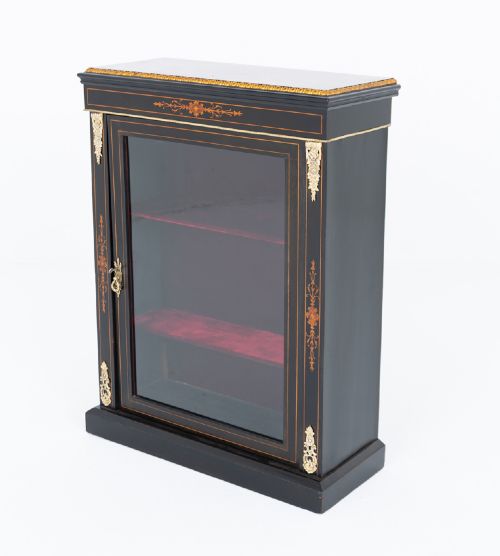
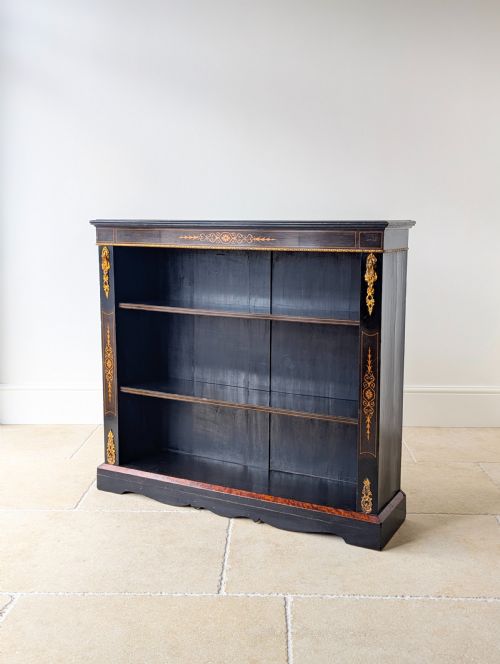
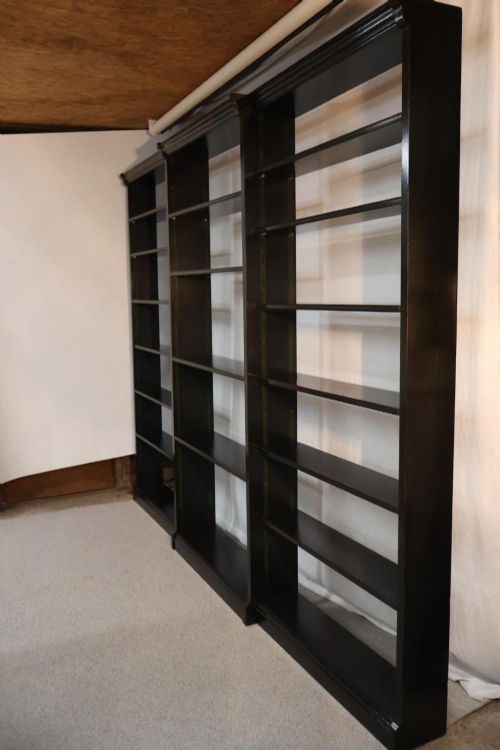
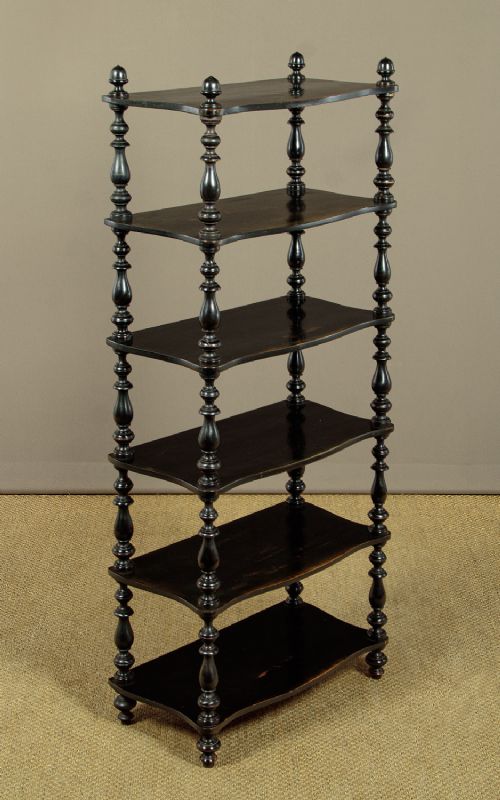
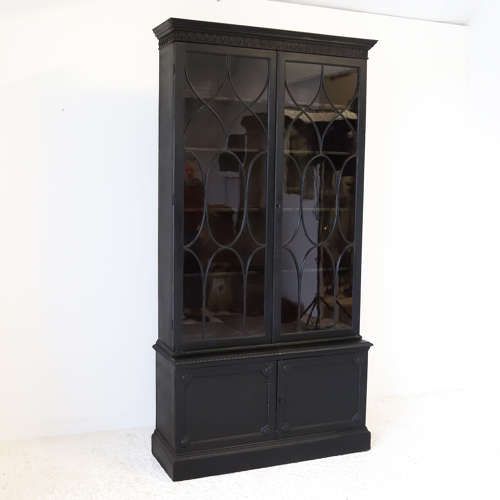
The version most commonly met on this page is the nineteenth century ebonised open bookcase, often fitted with adjustable shelves and sometimes featuring brass mounts or carved details. Alongside these standard open shelves, buyers encounter pier cabinets, glazed vitrines, and tiered display stands.
Origins stretch from English country houses to Dutch workshops and Scottish studios, showing styles that move from Victorian Gothic and Aesthetic Movement to Dutch Rococo and Colonial designs. The unifying element across all these forms is the dark wood or black painted surface framing the books.
What varies in quality
Quality rests upon the depth and integrity of the original ebonising or paint finish, and how well the dark timber has aged over the decades. Superior pieces display crisp hand-carving and careful joinery that keeps tall breakfront shelves or heavy bureau sections stable without sagging.
The sophistication of the secondary materials also sets pieces apart, distinguishing simple painted deal from finely finished ebonised oak fitted with genuine brass mounts and original glass panes. Proportion and restraint in ornament separate standard utility furniture from the more ambitious Aesthetic Movement or Dutch Colonial designs.
Black Wood Bookcase Retail Price Guide 2026
Typical asking prices for black wood bookcase among the pieces listed under this phrase on Sellingantiques today, from the lower quarter to the upper quarter. They describe what is for sale here now, not the wider market.
Listings feature pieces spanning from the eighteenth to the twentieth centuries, employing ebonised wood, oak, brass, and glass across various cabinet forms.
The Black Wood Bookcase Glossary
- Ebonised wood
- Timber treated with stain or polish to simulate true ebony, a technique popular in nineteenth-century cabinet making. This process gave cheaper native woods the dark, uniform appearance associated with luxury furniture.
- Breakfront
- A piece of furniture whose central section projects forward from the flanking wings. This architectural arrangement adds depth and shadow to large bookcases.
- Boulle
- A style of marquetry using brass and tortoiseshell inlaid into a dark ground, commonly seen on French and English nineteenth-century cabinets. The metallic glint contrasts sharply with the black wood surround.
- Vitrine
- A glass-fronted display cabinet designed for porcelain or curiosities rather than heavy reading volumes. These glazed pieces protect delicate contents while maintaining a clear view from the room.
Black Wood Bookcase: Frequently Asked Questions
How do I clean a black wood bookcase?
Dust regularly with a dry, soft cloth to prevent particulate accumulation on the dark surface. Avoid harsh chemical polishes that can dull the ebonised finish or degrade old paint.
Apply a conservative amount of appropriate wax only if the timber appears dry, working gently along the grain. Test any product on a hidden area first to ensure it does not alter the sheen of the black wood.
Are shelves usually adjustable in these bookcases?
Many nineteenth-century open bookcases feature adjustable shelves supported by wooden bearers or metal pins. This adaptability allows the owner to accommodate volumes of varying heights without altering the original structure.
Fixed shelves remain common in older eighteenth-century pieces and smaller pier cabinets. Buyers should inspect the interior vertical walls for the rows of peg holes that indicate adjustability.
How do I tell an ebonised piece from solid ebony?
Solid ebony is extremely heavy, dense, and naturally black through the entire thickness of the timber. Most black wood furniture uses a lighter core wood, such as oak or fruitwood, coated with a black stain or pigmented polish.
Close inspection near joints or points of wear often reveals the paler timber beneath the dark surface layer. This technique allowed nineteenth-century makers to achieve a dark aesthetic without the prohibitive cost of solid exotic ebony.
Where should I place a dark bookcase?
Position the piece away from direct sunlight to protect the black finish and any interior fabrics like velvet from fading. Adequate ambient light helps the dark wood details and brass mounts stand out without casting the surrounding corner into gloom.
Ensure the floor is level so that heavy timber bookcases and glazed cabinets maintain their structural integrity over time. Placing them against a lighter wall colour creates a strong visual contrast that highlights the silhouette of the furniture.