




Black Wire Spark Screen
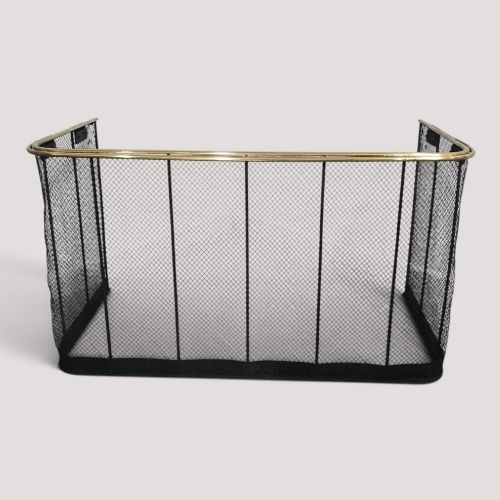
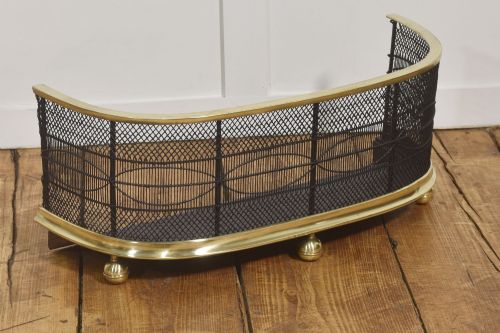
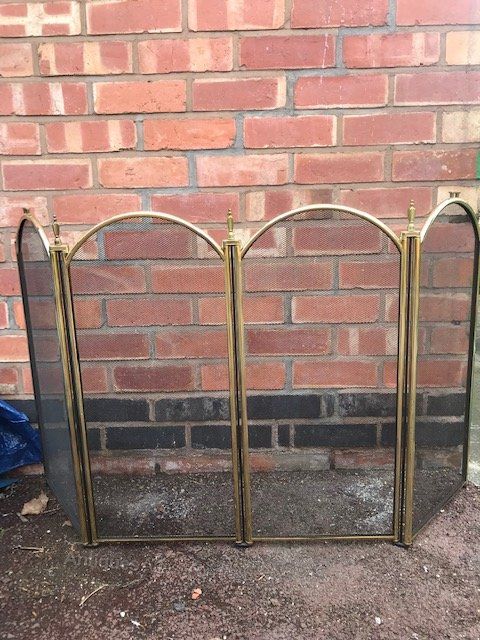
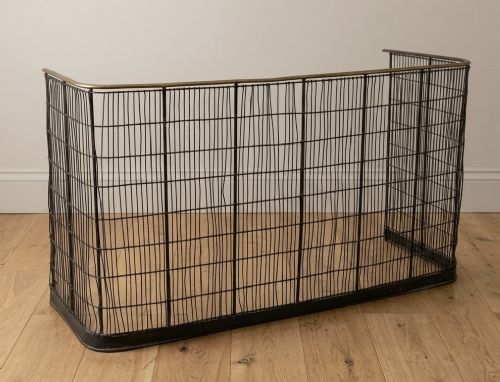
These black wire spark screen designs protect a room from stray embers while keeping hearth warmth fully visible.
Black Wire Spark Screen
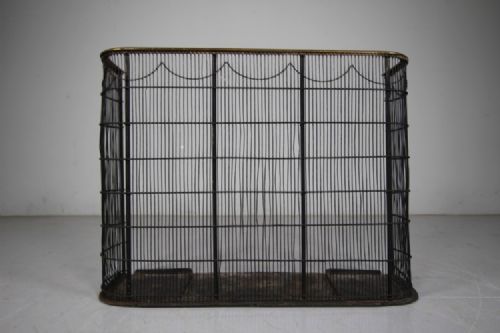
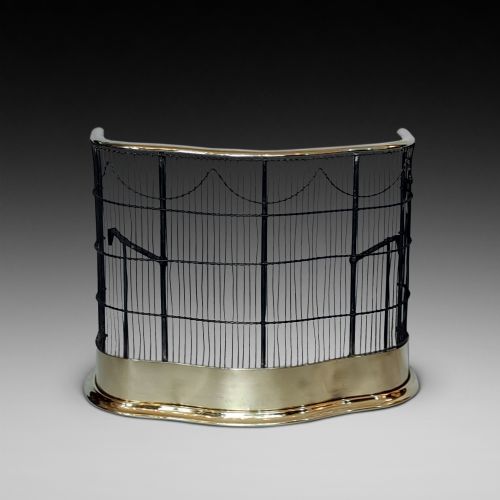
A black wire spark screen functions as a hearth barrier, frequently taking the form of a nursery fender or a folding screen to contain flying cinders. These pieces emerge across nineteenth-century and early twentieth-century periods, spanning Regency, Victorian, and Edwardian eras.
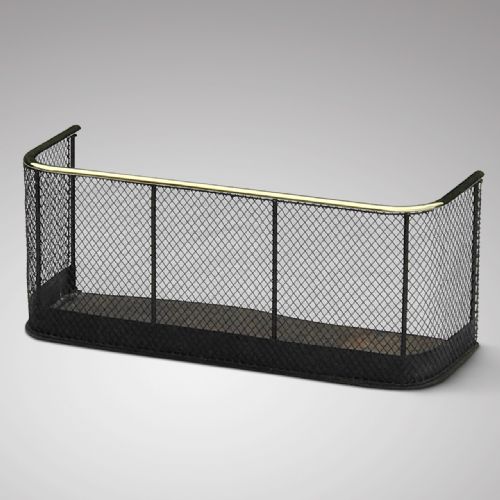
The most common formats on this page are nursery fenders with brass top rails and multi-section fire guards. Pieces often combine mesh bodies with robust metal frames suited to period fireplace settings.
Materials and construction methods
Construction relies heavily on iron wire, woven iron wire, and steel wire mesh mounted within structural frames of brass, iron, or wrought iron. Makers secured the fine metal mesh to rigid perimeters to withstand daily heat exposure.
Many examples feature a polished brass top rail or rim contrasting against the dark wire body. Folding sections utilise hinges to allow flexible placement around hearth openings.
Some nineteenth-century nursery fenders thoughtfully included an integrated clothes rail for warming infant garments by the hearth.
Assessing quality in hearth guards
Quality rests in the weight of the frame and the tightness of the wire weave. Sturdy wrought iron or brass-rimmed structures maintain their rigidity better than lighter alternatives.
Refinement shows in the neatness of the wire attachment to the frame and the substantial feel of any brass top rail. Earlier Regency and Victorian examples often display more meticulous hand-assembly in the wirework.
The Black Wire Spark Screen Glossary
- Nursery fender
- A low enclosing hearth guard designed to keep children at a safe distance from an open fire. These protective barriers frequently incorporate a brass top rail and sturdy wire mesh.
- Spark screen
- A mesh barrier positioned before a fireplace to catch flying embers. The woven wire construction permits maximum heat radiation while trapping sparks.
- Wrought iron
- Iron beaten into shape while hot, valued for its strength and fibrous texture. This material provides durable structural support in period fire guards.
- Serpentine
- A gently undulating curved shape often seen in the front outline of Victorian fire guards. This contour adds elegance to functional hearth protection.
Black Wire Spark Screen: Frequently Asked Questions
What is a black wire spark screen used for?
These guards protect flooring and furnishings from stray embers emitted by open hearths. They provide a physical barrier while allowing warmth to circulate freely into the room.
They also serve a traditional safety role in family rooms by preventing children and pets from getting too close to the fire.
How do I date a wire fire guard?
Dating relies on examining the construction materials, frame style, and metal finishing techniques. Regency and Victorian pieces often feature heavy brass top rails and hand-woven wire mesh.
Later Edwardian and nineteen-twenties examples tend to introduce simpler folding sections and different wire gauges. Comparing the joinery methods helps clarify the period of manufacture.
What is a nursery fender?
A nursery fender is an extended metal barrier that surrounds the hearth area completely. They were traditionally utilised in Victorian homes to protect young children from hearth dangers.
Many incorporate clothes rails or sturdy brass tops, reflecting their domestic utility in period English country houses.
Are these screens suitable for modern fireplaces?
These period guards adapt well to contemporary hearths provided the dimensions match your fireplace opening. They offer authentic character alongside practical spark protection.
Careful measurement of your hearth width and depth ensures the guard sits securely in place.