

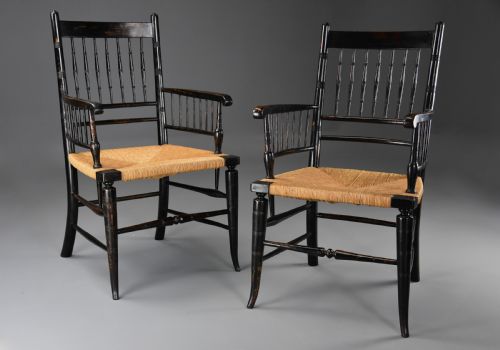


Black Victorian Armchairs
Black victorian armchairs bring dark wood and deep upholstery together, offering solid nineteenth century seating built for studies and libraries.
Black Victorian Armchairs
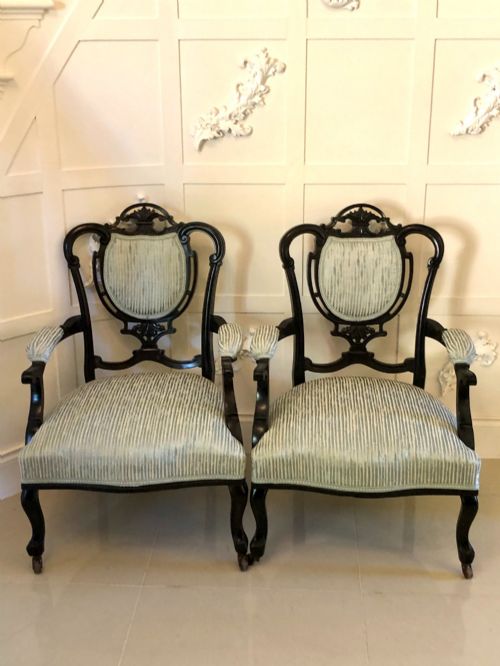
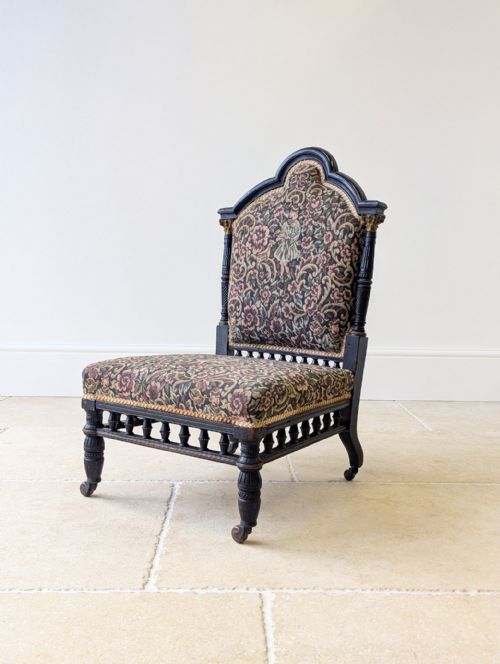
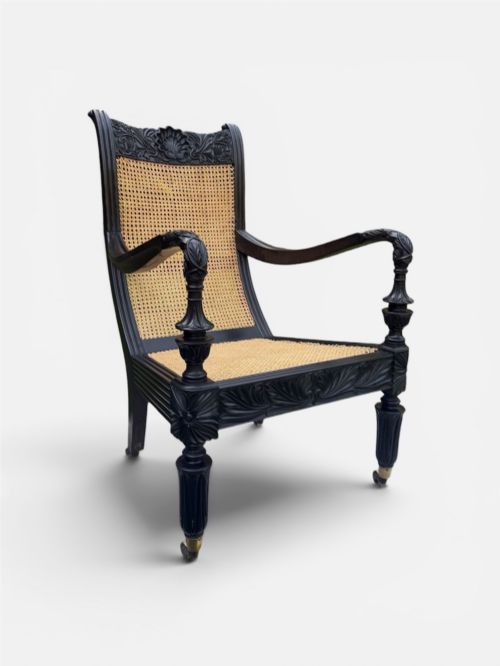
Black victorian armchairs encompass a wide variety of seating from the nineteenth century finished in dark tones, including ebonised wood, solid ebony, and black lacquer. Buyers seeking black victorian armchairs will encounter diverse forms ranging from heavy library armchairs to delicate low salon chairs, nursing chairs, and revolving desk chairs.
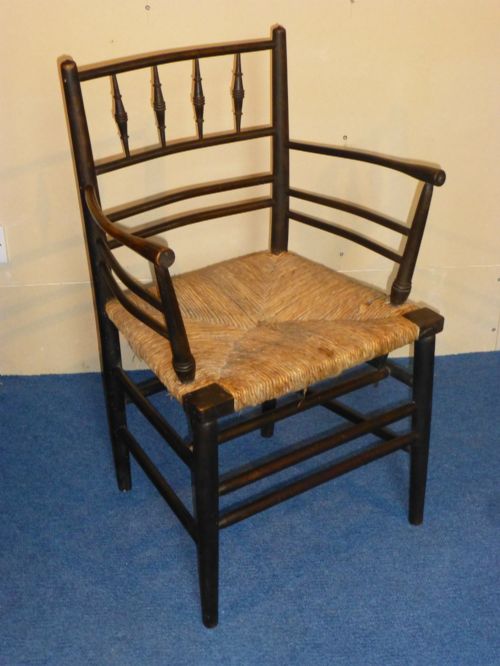
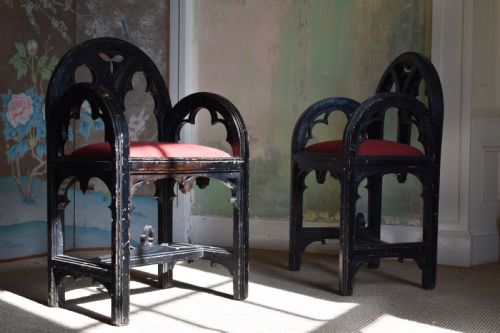
The selection includes specific regional and stylistic variants such as Aesthetic Movement pieces, Gothic Revival designs, and Arts and Crafts models like the Sussex armchair. Makers and retailers of the period such as Morris and Co, Gillows, and Hindley and Sons produced notable examples that appear alongside country house and vernacular Windsor chairs.
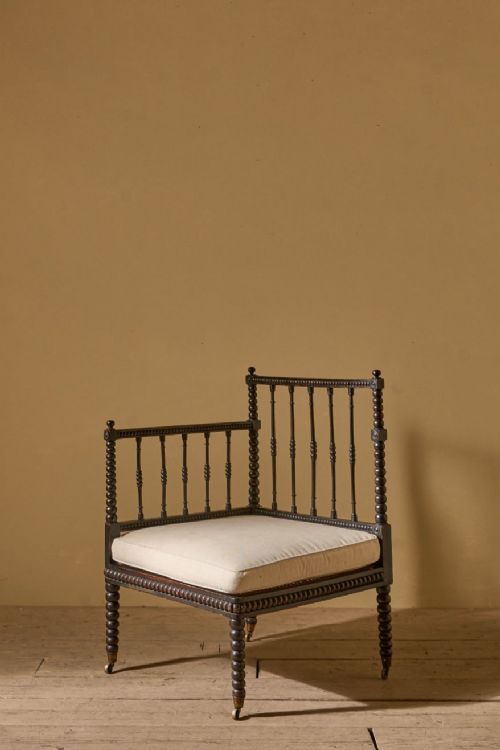
Seating arrangements span from corner chairs and rocking chairs to folding chairs and hall porters chairs, all sharing the characteristic dark finish. These pieces function equally well as functional desk seats or decorative accent chairs within contemporary and traditional interiors.
Materials and Construction
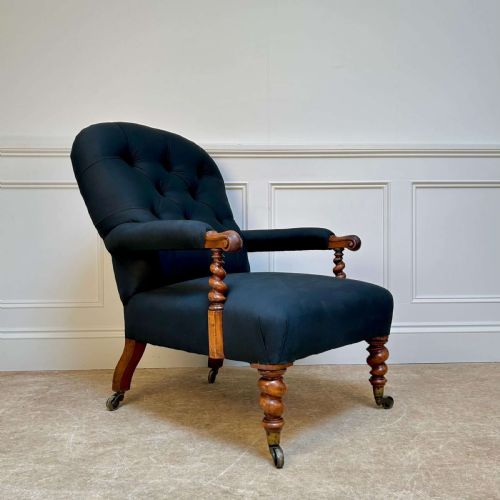
Craftsmen utilised sturdy timbers including mahogany, oak, walnut, ash, and elm, often applying ebonising treatments, black lacquer, or gilding to achieve the signature dark surface. Structural frames frequently incorporated turned components, such as bobbin legs, alongside heavily carved detailing seen in Black Forest and Gothic Revival pieces.
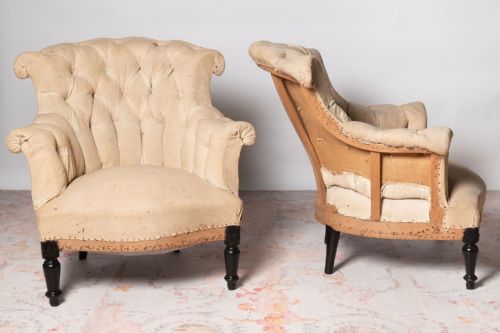
Upholstery materials selected for seats and backs included original leather, velvet, fabric, and cane, supported internally by traditional webbing and stuffing. Bentwood techniques also appear in specific rocking and occasional chairs, demonstrating the variety of nineteenth century manufacturing methods.
Materials documented across the inventory include brass, cane, leather, oak, mahogany, velvet, and ebonised wood.
Assessing Quality and Merit
The distinction between standard production and superior work rests on the integrity of the timber frame, the depth and precision of hand carving, and the fidelity of the ebonising or lacquering. Pieces bearing documented maker attribution or stamps demonstrate higher desirability among collectors.
Original upholstery coverings, surviving leather surfaces, and retained maker numbers or paper labels elevate the historical significance of a chair. The harmony between structural joinery and decorative elements dictates the overall standing of each piece within its specific style.
Morris and Co·Hindley and Sons·Gillows·Collier and Plucknett·Maple and Co
The Black Victorian Armchairs Glossary
- Ebonised
- Wood treated with a dark stain or finish to imitate expensive ebony. This technique was widely favored during the nineteenth century for Aesthetic Movement and Victorian furniture.
- Library Armchair
- A substantial and heavily upholstered seat designed for reading rooms and studies. These chairs prioritize comfort through deep cushioning and supportive arms.
- Windsor Chair
- A traditional wooden seat constructed with a solid shaped saddle seat into which legs and spindle backs are wedged. Nineteenth century examples sometimes feature ebonised ash and elm.
- Bentwood
- Wood softened by steam and bent into curved shapes under pressure. This process created lightweight rocking and occasional chairs popular in the nineteenth century.
Black Victorian Armchairs: Frequently Asked Questions
How do I identify an Aesthetic Movement armchair?
Aesthetic Movement armchairs typically feature ebonised wood frames adorned with gilt detailing, drawing inspiration from Japanese and Anglo-Japanese design principles. They often display slender proportions combined with upholstered panels in velvet or fabric.
Look for refined turned supports and clean structural lines that separate these pieces from heavier, more ornate Victorian styles.
Were these chairs used primarily in offices?
While revolving desk chairs and oak library chairs served professional and study functions, the broader category includes salon chairs, nursing chairs, and rocking chairs meant for drawing rooms and bedrooms.
Domestic seating of this period was tailored to specific domestic rituals, ranging from formal entertaining to private reading.
How should I care for ebonised wood and leather?
Ebonised surfaces require gentle dusting with a soft cloth and protection from direct sunlight to preserve the dark finish. Avoid abrasive cleaning agents that might strip the historic black coating.
Leather upholstery benefits from periodic conditioning using appropriate conservation waxes to prevent drying and cracking over time.
What is the difference between Victorian and Regency examples?
Regency seating precedes the Victorian era and typically incorporates classical revival motifs, such as sabre legs and reeded framing, reflecting neoclassical tastes. Victorian pieces generally offer heavier proportions, deeper buttoned upholstery, and distinct regional revival styles like Gothic or Arts and Crafts.
Examining the turning, joinery, and decorative carving usually clarifies the period of manufacture.