






Black Profile Picture
A black profile picture captures a striking likeness in silhouette, offering collectors a classic form of portraiture rooted in Georgian and Victorian times.
Black Profile Picture
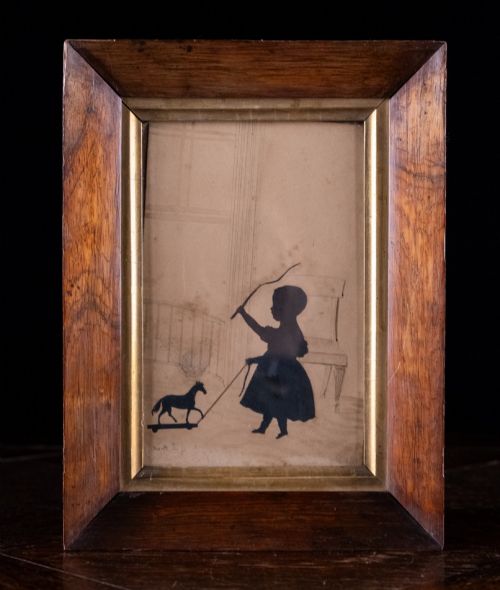
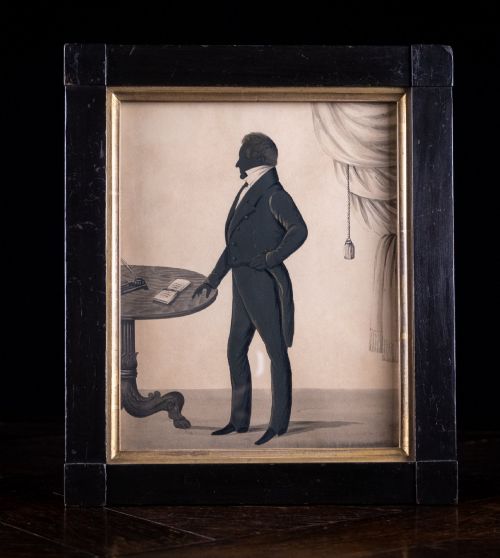
A black profile picture typically appears as a framed silhouette artwork, miniature portrait, or wall art depicting a gentleman, lady, child, or animal. These pieces emerge from periods such as the Georgian, Regency, and Victorian eras, alongside later nineteenth-century examples.
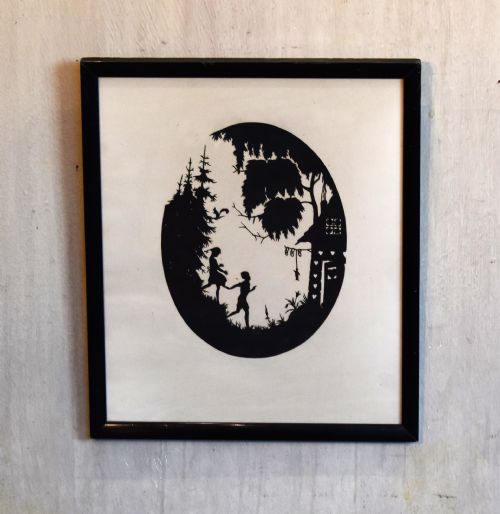
The form ranges from simple cut paper mounted on card to intricate painted glass or papier-mache works. Buyers frequently encounter conversation pieces, single portraits of ladies and gentlemen, and occasionally folk art scenes featuring animals.
Makers and artists working in this medium utilise contrasting backgrounds, often enhanced with gold leaf highlighting. The resulting black profile picture serves as a direct window into historical domestic likenesses.
How they were made
Makers created these portraits using paper, ink, and glass, frequently cutting silhouettes by hand or painting directly onto the reverse of glass panels. Ebonised wood and papier-mache provided durable outer housings for the delicate interior imagery.
Artists added fine detail through gold leaf pencilling and delicate watercolour highlights upon the dark profile. Rosewood and brass frames often secured the composition, protecting the paper and card substrates from environmental damage.
Black Profile Picture Retail Price Guide 2026
Typical asking prices for black profile picture among the pieces listed under this phrase on Sellingantiques today, from the lower quarter to the upper quarter. They describe what is for sale here now, not the wider market.
Listings feature materials including glass, paper, ink, brass, wood, papier-mache, ebonised wood, and gold leaf across the 19th Century.
What varies in quality
The originality of the framing and mounting significantly affects the character of the piece. Original rosewood frames, intact brass hangers, and documented signatures by known practitioners elevate the standing of the work.
Augustin Edouart·J Deacon·John Miers·George Atkinson·Bateman
The Black Profile Picture Glossary
- Silhouette
- A portrait rendered as a solid dark shape, usually a profile, set against a pale background. This term derives from the eighteenth-century French finance minister Etienne de Silhouette.
- Gilded silhouette
- A black profile portrait embellished with applied gold leaf to delineate hair, clothing, or jewellery. This technique was particularly popular during the Regency period.
- Reverse painting on glass
- An artistic method where the image is painted on the back of a glass panel so it is viewed through the clear front. This protects the pigment and produces a glossy finish.
- Conversation piece
- An artwork depicting a group of figures engaged in a social setting or narrative scene. In silhouette form, these often record family groups with animals or domestic interiors.
- Papier-mache
- A composite material made from paper pulp or layers of paper bound with adhesive, moulded, and then dried. It provided a sturdy, smooth body for frames and small articles.
Black Profile Picture: Frequently Asked Questions
What is a black profile picture?
A black profile picture is a historical portrait showing a person's outline filled with black pigment, ink, or cut paper. These works capture likenesses primarily from the Georgian and Victorian periods.
Such pieces range from simple cutouts to detailed painted miniatures on glass. They provide an intimate record of historical dress and facial types.
How do I date a silhouette?
Dating relies heavily on the style of clothing, hair, and the surrounding frame materials. Regency examples often feature delicate gold leaf highlights and convex glass.
Later Victorian pieces introduce different mounting styles and group subjects. Examining the paper type and backing also helps determine the correct period.
Where were silhouettes displayed?
Historical owners hung these framed portraits in parlours, hallways, and private bedchambers alongside larger oil paintings. Their compact scale made them ideal for intimate domestic gallery walls.
Pairs or family groups were often arranged together to document lineage. Today, collectors display them in similar groupings on panelled or neutral walls.
How do I care for antique silhouettes?
Protect these paper and glass works by keeping them out of direct sunlight to prevent fading. Stable indoor humidity prevents warping in the wooden and papier-mache frames.
Avoid using liquid cleaners on the glass, as moisture can seep behind and ruin the delicate paper or paint. Dust gently with a dry, soft cloth.