


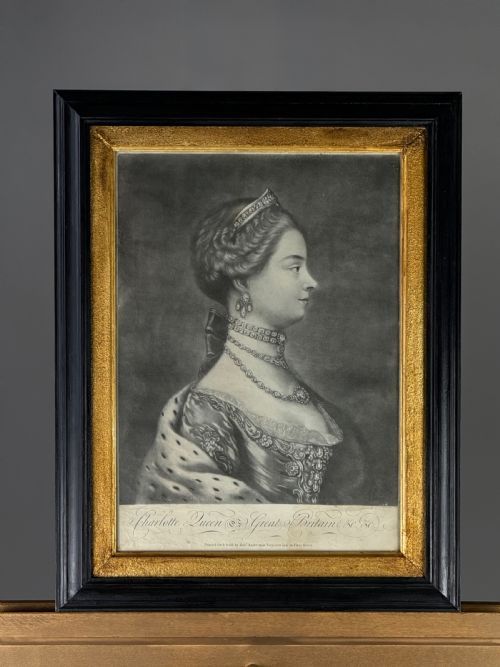
Black Paper Art Print
A black paper art print brings historic depth to a wall, offering layered tonal texture through centuries-old ink and engraving techniques.
Black Paper Art Print
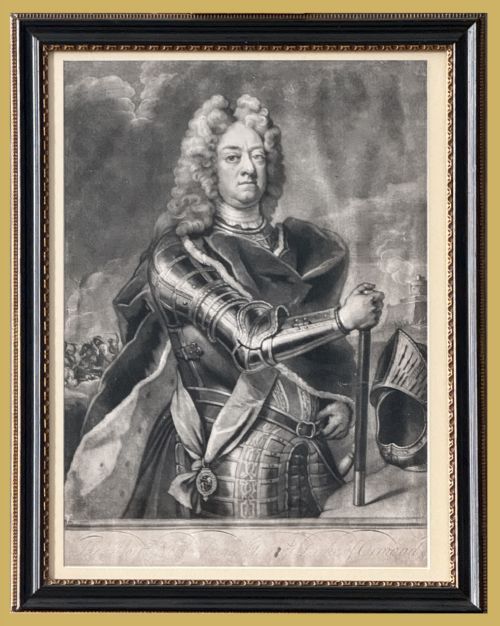
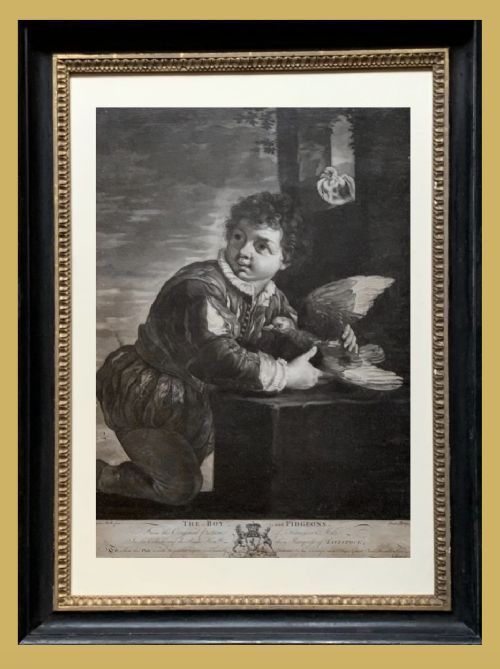
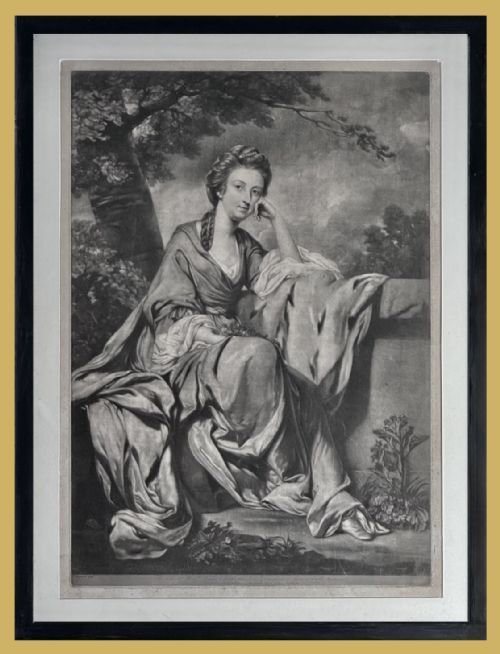
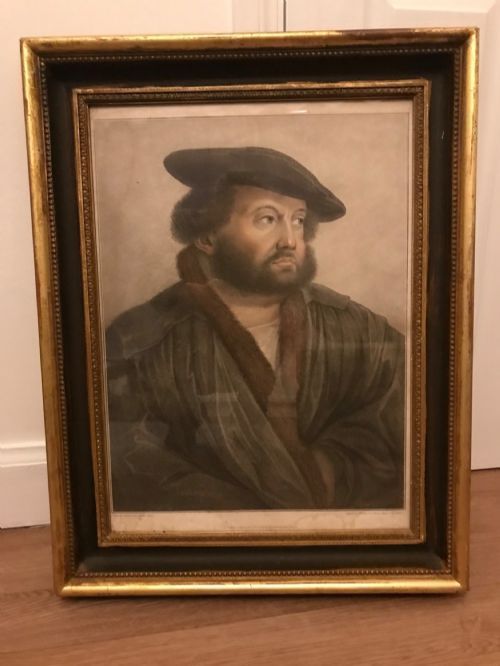
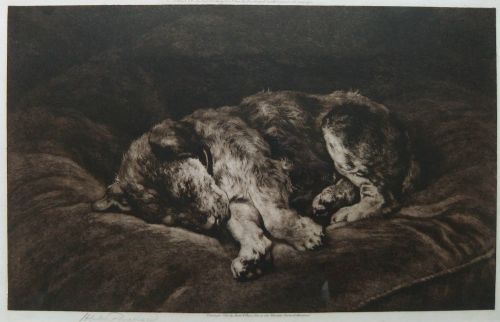
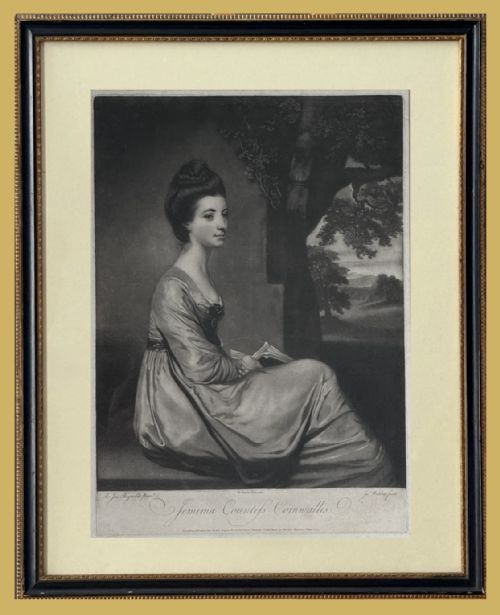
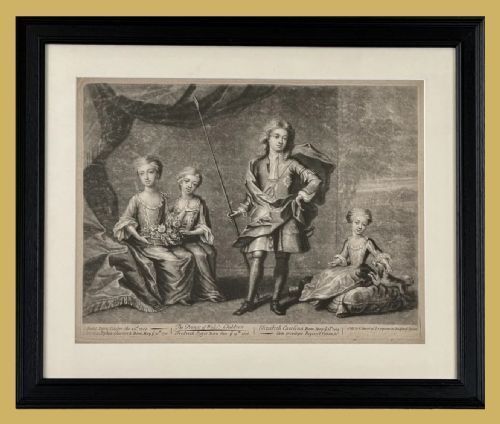
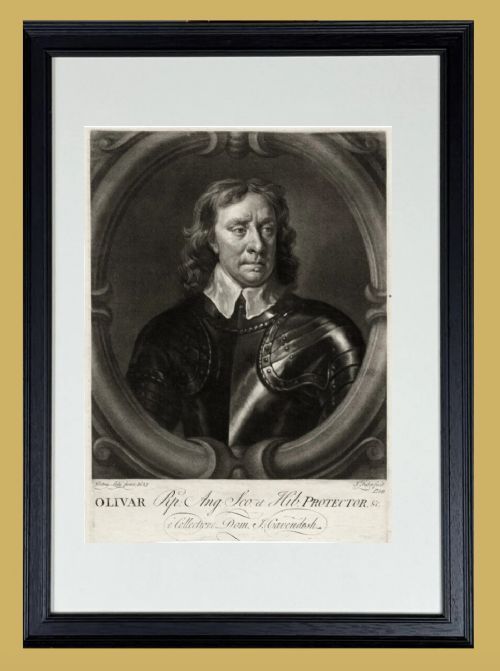
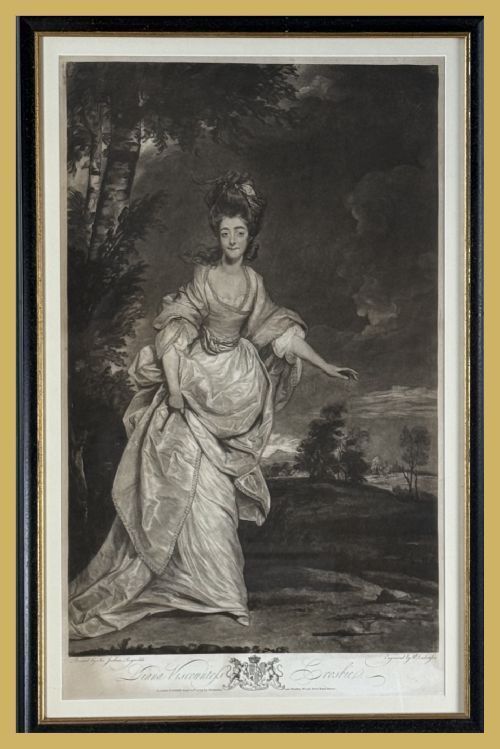
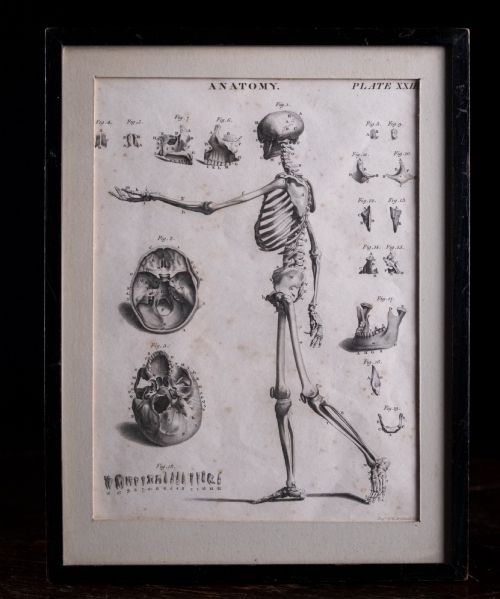
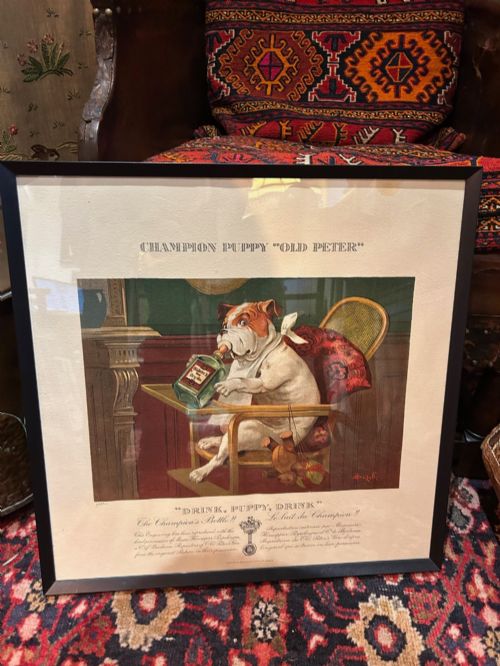
When you search for a black paper art print, you are looking at historical works on paper, including mezzotints, engravings, and etchings framed for display. These pieces capture portraiture, classical antiquity, and detailed interiors across several centuries.
The selection on this page relies heavily on eighteenth-century mezzotints and nineteenth-century etchings. Works span from the seventeenth century through to the early twentieth century, housed in period wood or gilt frames.
Originating primarily from British and European printmakers, these framed prints demonstrate historical printmaking methods on aged paper bases. They function as wall art and prints and engravings suited for traditional interiors.
How they were made
Makers utilised copper plates worked with ink, employing mezzotint rockers, etching acid, or burins to create deep tonal contrast on paper. Watercolour and pastel occasionally supplement ink, whilst gold leaf and gilt wood finish the enclosing frames.
The physical support relies on traditional paper stocks paired with glass protection and wooden framing elements. These materials combine to preserve delicate ink applications across centuries.
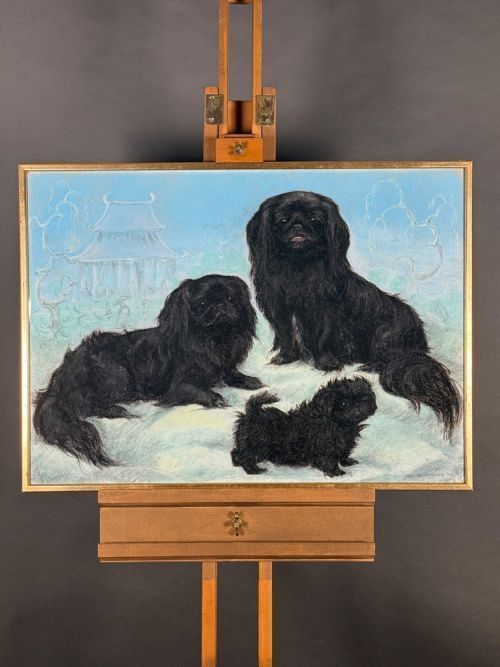
Among the historical figures and classical scenes, several listings feature attentive dogs, including a study of three black Pekingese.
What varies in quality
The distinction between tiers rests on the clarity of the impression pulled from the metal plate and the preservation of the paper. Early impressions retain rich, dark tones and sharp lines, whereas worn plates yield grey, muddy details.
Frame originality and paper stability further differentiate the pieces. Original glass, period wood frames, and untouched margins elevate a work above trimmed sheets in later, mismatched settings.
John Smith·Herbert Dicksee·Jacobus Houbraken·Edward Fisher·Valentine Green
The Black Paper Art Print Glossary
- Mezzotint
- A printmaking process where the copper plate is roughened uniformly to allow deep, velvety darks and subtle tonal gradations. It became the dominant medium for eighteenth-century portrait reproduction.
- Etching
- A technique where lines are bitten into a metal plate with acid before ink is applied and transferred to paper. This allows for expressive, fine linework.
- Engraving
- A method of cutting a design directly into a metal plate using a sharp tool called a burin. The resulting lines hold ink sharply under pressure from a printing press.
- Stipple engraving
- A method of creating tonal effects using dots rather than continuous lines. It gained popularity for rendering soft flesh tones and painterly textures.
- Artist proof
- An early trial or limited printing pulled before the main edition is run. These impressions are often signed by the printmaker and prized for their sharp clarity.
Black Paper Art Print: Frequently Asked Questions
What is a mezzotint print?
A mezzotint is an intaglio printmaking process where the artist roughens a copper plate to hold ink evenly, producing rich dark backgrounds and smooth tonal gradients.
Master printmakers used this method to translate oil paintings into dramatic monochromatic portraits during the seventeenth and eighteenth centuries.
How do I care for antique paper art?
Antique prints require protection from direct sunlight to prevent fading of the ink and yellowing of the paper base. Keeping them away from excessive moisture preserves both the paper and the original wooden frame.
Displaying them in stable indoor environments ensures the materials remain structurally sound over decades.
Are these prints original period works?
The listings comprise historical works produced in the eras stated, from seventeenth-century portraits to early twentieth-century etchings. They are original impressions pulled during or near the stated dates rather than modern commercial reproductions.
The inclusion of period frames and aged paper stocks points directly to their historical origins.
How can I tell different print techniques apart?
Engravings show sharp, precise lines cut directly into the metal plate, while etchings display more fluid, acid-bitten strokes. Mezzotints are defined by deep, velvety dark areas rather than line work.
Examining the surface under magnification reveals whether the image relies on lines, dots, or tonal fields.