
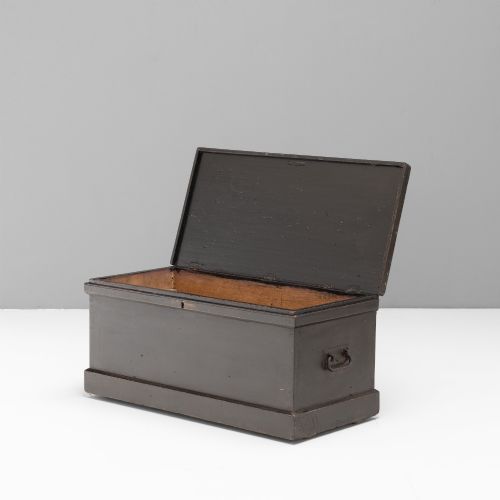
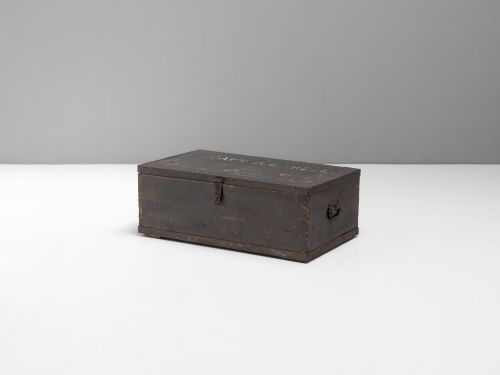



Black Painted Wooden Box
A black painted wooden box offers robust storage and distinct regional character, shaped by centuries of folk art, maritime trade, and domestic use.
Black Painted Wooden Box
A black painted wooden box encompasses a diverse array of utilitarian and decorative containers, from small tea caddies and document deed boxes to large maritime travel trunks and storage chests. Buyers examining this category encounter pieces originating from British, Scandinavian, Chinese, and Indian workshops spanning the Georgian, Regency, and Victorian eras.
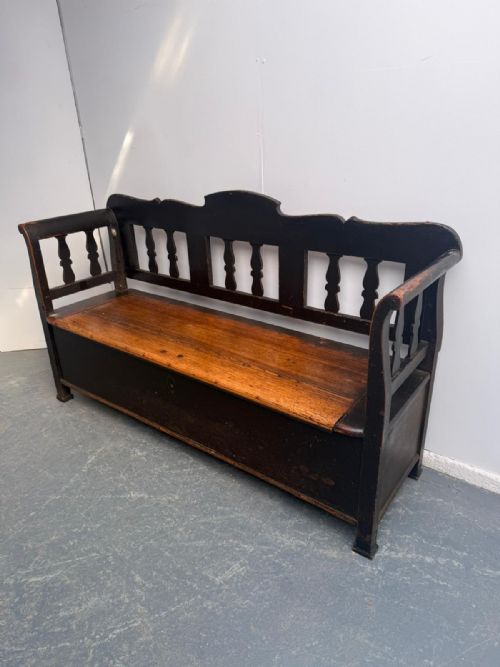
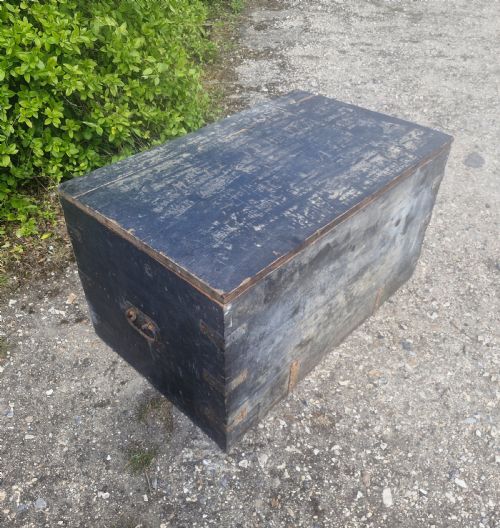
The version most frequently met on this page is the nineteenth-century Scandinavian painted pine chest or strong box, often displaying rustic folk art decoration. These storage pieces served practical purposes in domestic and travel settings, utilising dark pigments on wooden structures to protect the underlying material.
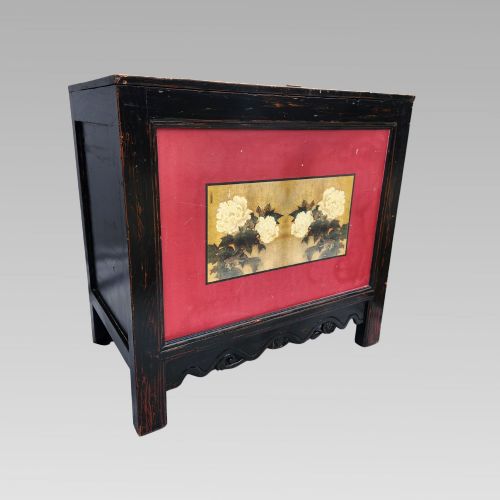
Other recurring forms include Regency penwork and pokerwork boxes, alongside Chinese lacquer storage chests and Indian lacquered containers. Each regional style applies distinct surface decoration and structural joinery to the core wooden carcass, reflecting the specific functional demands of its period.
Materials and Construction
Construction relies heavily on pine and general wood carcasses assembled with iron or brass hardware for hinges, locks, and carrying handles. Makers utilised durable native and exotic timbers capable of withstanding heavy travel or daily household use.
Surfaces received dark paint, black lacquer, or pigment applications, sometimes enhanced with intricate penwork, pokerwork, or floral chinoiserie detailing. Pigments were applied directly to the wood, occasionally preserved with original surface decoration that records the hand of the maker.
Listings feature pine, metal, and brass materials applied across nineteenth-century folk art, Regency, and Victorian styles.
Evaluating the Pieces
Quality rests primarily on the integrity of the original paintwork or lacquer decoration and the preservation of surface detail. Pieces retaining their early pigment, folk art motifs, or penwork without extensive modern repainting hold greater visual and historical coherence.
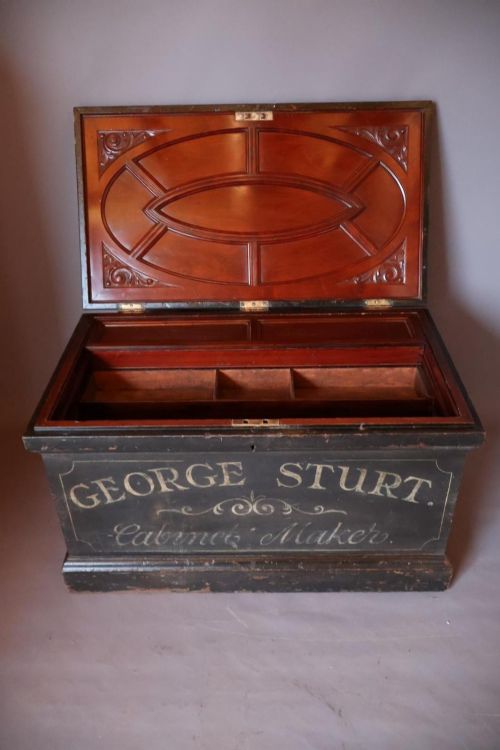
Structural execution also distinguishes the range, visible in the dovetail joinery of pine chests, the precision of Regency penwork, and the quality of brass or iron mountings. Finer examples maintain their original hardware and internal fittings, such as compartmentalised trays in tool and document boxes.
The Black Painted Wooden Box Glossary
- Penwork
- A decorative technique using fine ink lines to draw intricate patterns and scenes onto a prepared wooden surface. This method was particularly popular during the Regency period for small decorative boxes.
- Pokerwork
- The art of burning designs into wood using heated metal tools to create shaded pictorial or geometric motifs. It frequently appears alongside painted finishes on nineteenth-century boxes.
- Chinoiserie
- European interpretations of Chinese and East Asian artistic styles, featuring motifs like figures, landscapes, and floral arrangements. This style is commonly found on lacquered storage chests and tea caddies.
- Kist
- A traditional regional term for a large wooden chest or box used for domestic storage. These pieces were often constructed from pine and finished with paint.
- Diorama
- A three-dimensional scene enclosed within a cased box, often depicting historical events or maritime subjects such as sailing vessels at sea. These specialised boxes served commemorative or display purposes.
Black Painted Wooden Box: Frequently Asked Questions
What were black painted wooden boxes used for?
These containers served varied practical functions, ranging from seaman's chests and tool storage for cabinet makers to travel trunks and household document boxes. Their robust construction protected valuable personal possessions, cutlery, or legal papers during transport and daily domestic life.
Smaller examples functioned as tea caddies, jewellery repositories, or decorative containers kept in prominent rooms. Larger trunks accommodated clothing and personal effects for journeys by sea or land.
How do I date a painted wooden box?
Dating relies on examining the construction methods, such as hand-cut dovetails, alongside the type of hinges, locks, and metal mounts used. Stylistic markers like Regency penwork, Victorian folk art motifs, or specific regional paint colours also provide clear chronological indicators.
Changes in material availability and decorative trends across the eighteenth, nineteenth, and early twentieth centuries help narrow down the period of manufacture. Comparing the wear patterns of the pigment to known examples from specific eras confirms the age.
Are these boxes made from solid wood?
Most pieces utilise solid timber construction, predominantly pine for European rustic and folk art boxes, alongside various other woods for specialised containers. The heavy use required for travel trunks and strong boxes demanded thick wooden planks joined securely at the corners.
Some Asian export pieces and decorative caddies incorporate layered substrates or specialised applied finishes like lacquer. The internal construction generally reveals the primary wood species used by the maker.
How should I care for original painted surfaces?
Preserving the original paint or lacquer requires avoiding harsh chemical cleaners, abrasives, and excessive moisture that could lift fragile pigment. Gentle dusting with a dry, soft cloth is sufficient for routine maintenance.
Keeping the box away from direct sunlight and stable atmospheric humidity prevents the wood from warping and protects the delicate surface decoration from fading. Wax polishes should only be used if confirmed compatible with historic painted finishes.