



Black Painted Table
A black painted table brings deep tone and deliberate surface detail to a room, drawing the eye through contrast.
Black Painted Table
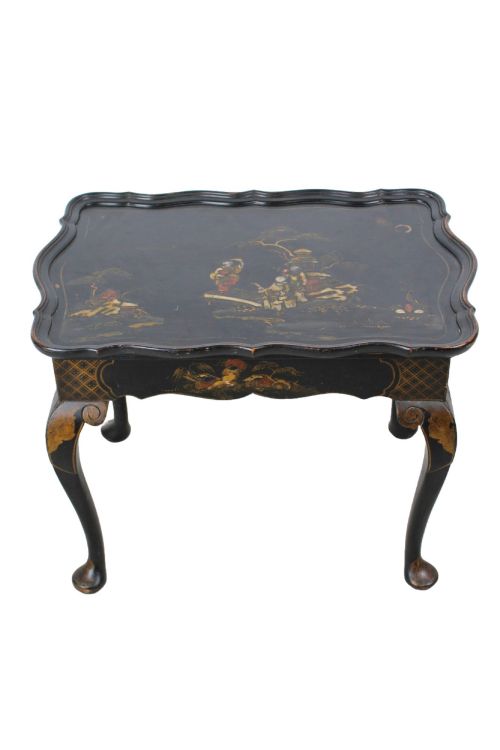
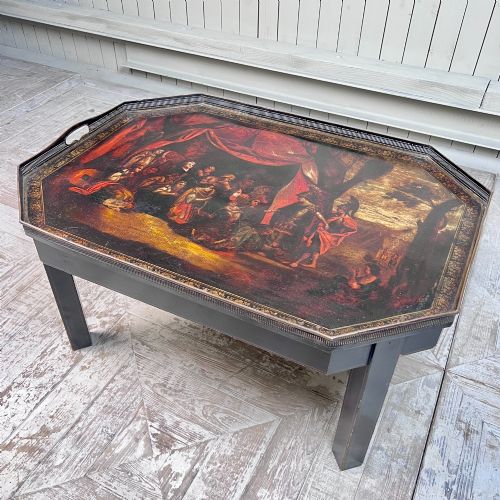
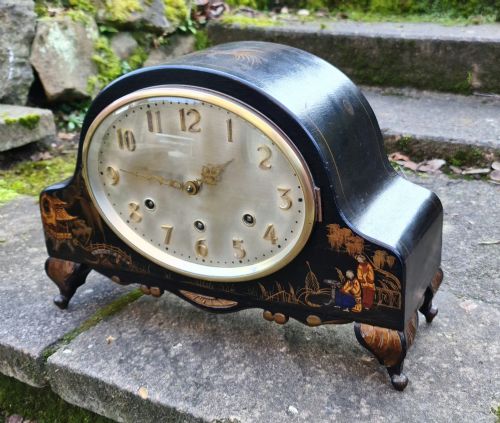
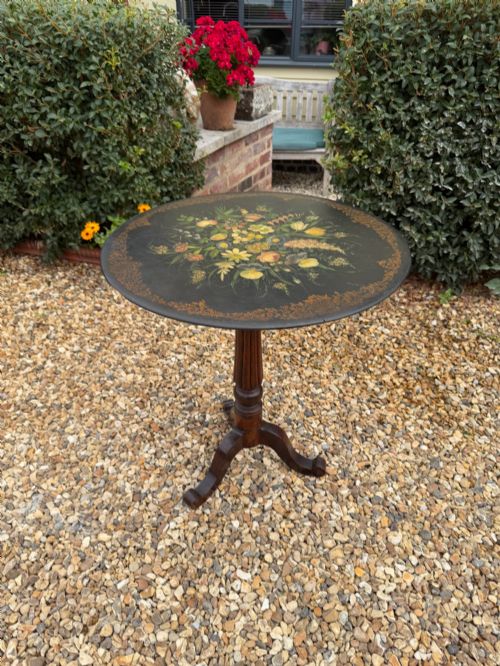
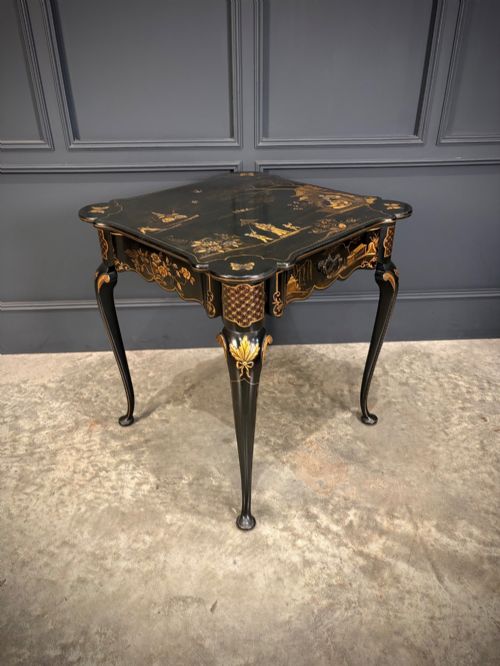
A black painted table encompasses utilitarian pine cricket pieces, occasional tripod supports, and refined console forms finished in dark pigments or lacquer. These surfaces range from simple painted wood to intricate Chinoiserie scenes touched with gold leaf.
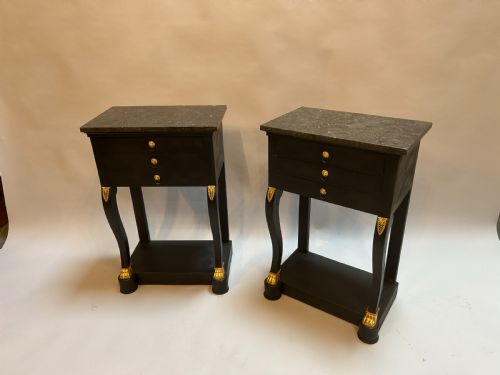
The selections available here lean heavily toward occasional, side, and coffee tables originating across the eighteenth, nineteenth, and early twentieth centuries. Pieces span regional English pine items to elaborate Chinese export lacquer and French Empire design pieces.
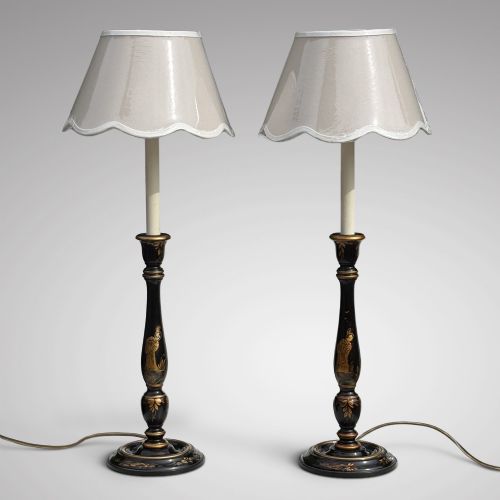
Buyers seeking a black painted table will encounter compact lamp stands, larger demi-lune console tables, and folding tray supports suited to varied domestic settings. Each object relies on its dark finish to anchor the surrounding furniture.
How they were made
Construction relies upon traditional timber framing in pine, oak, and general wood, paired with specialised finishes like black lacquer and applied paint. Artisans built surfaces to receive decorative layers, incorporating papier-mâché and slate inserts where specific forms demanded them.
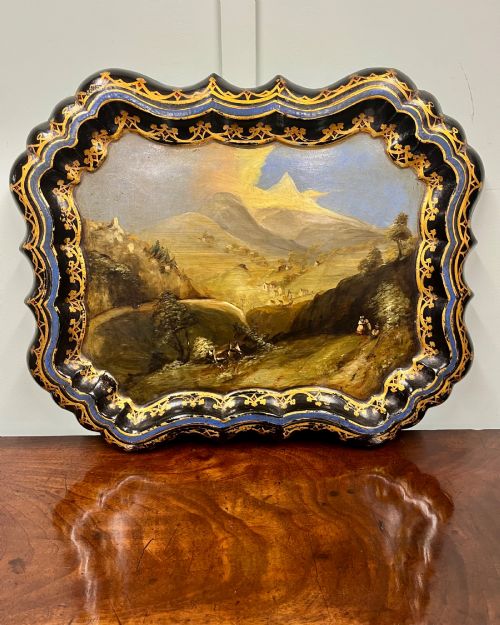
Decoration frequently involves hand painting, japanning, and the application of gold leaf to create figurative Chinoiserie motifs. The underlying materials are prepared to hold dense dark pigments that endure years of daily use.
Black Painted Table Retail Price Guide 2026
Typical asking prices for black painted table among the pieces listed under this phrase on Sellingantiques today, from the lower quarter to the upper quarter. They describe what is for sale here now, not the wider market.
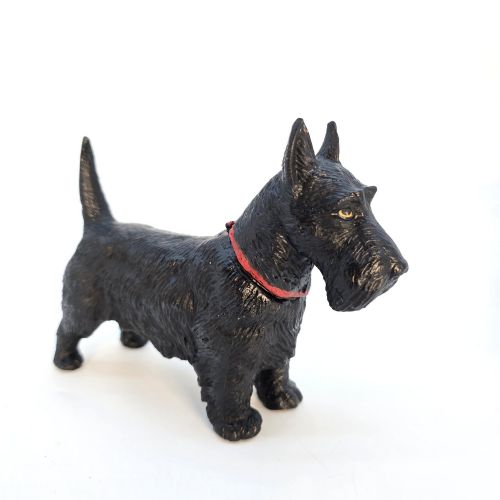
A cast metal table lighter shaped as a Scottie dog keeps quiet watch over early twentieth-century smoky rooms.
What varies in quality
Quality rests in the execution of the surface decoration, distinguishing hand-painted or lacquered detail from simpler utilitarian coats. Pieces featuring refined gold leaf work and coherent stylistic motifs command greater visual presence.
The integrity of the timber structure and the crispness of turned tripod legs or moulded console edges dictate the overall refinement of the piece. Superior examples maintain balanced proportions and harmonious integration between the form and its dark decorative skin.
Maison Bagues
The Black Painted Table Glossary
- Chinoiserie
- European decorative style reflecting Chinese artistic influences, commonly featuring figures, pagodas, and landscapes rendered in gold on dark grounds.
- Japanning
- European imitation of East Asian lacquerwork, created by applying layers of varnish and dark paint followed by metallic decoration.
- Tripod Table
- A small occasional table supported by a central pillar resting on three spreading feet, often designed with a tilt-top mechanism.
- Demi-Lune
- Half-moon shape utilised for console tables designed to stand flat against a wall.
- Papier-mâché
- A composite material made of paper pulp mixed with glue and resin, pressed into moulds and painted to form lightweight trays and small tables.
Black Painted Table: Frequently Asked Questions
Where should I place a black painted table?
These tables sit comfortably beside seating as lamp supports or function as small side surfaces in hallways and drawing rooms. Their dark presence helps ground lighter upholstery and surrounding interior colours.
Larger console variations suit placement against living room or dining room walls, particularly beneath mirrors or artwork.
How do I clean a lacquered surface?
Dust surfaces regularly with a soft, dry cloth to prevent particulate accumulation on painted or lacquered finishes. Avoid chemical polishes and abrasive cleaners that can damage delicate gold leaf or aged varnish.
Keep pieces away from direct sunlight and excessive moisture to protect the timber substrate and decorative layers.
What is the difference between painted and japanned tables?
Painted tables typically feature pigments brushed directly onto wood surfaces like pine or general timber, often showing simpler folk or decorative motifs. Japanned tables involve a specialised European lacquer technique mimicking Asian export pieces with raised metallic designs.
Japanning requires building multiple varnish layers over a dark ground, creating a deeper and more reflective finish than standard paint.
Are these tables sturdy enough for daily use?
Most occasional and side table designs are built for holding lamps, books, and decorative objects rather than heavy weight bearing. Tripod and pedestal forms require careful placement on level flooring to maintain stability.
Heavier console and drapers tables offer greater structural solidity for everyday domestic routines.