



Black Painted Box
A black painted box offers practical storage carrying centuries of decorative tradition, from humble country pine to intricate lacquer and papier-mâché.
Black Painted Box
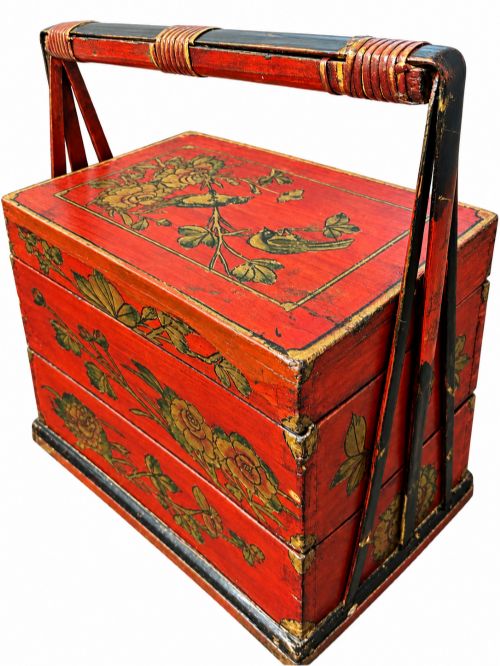
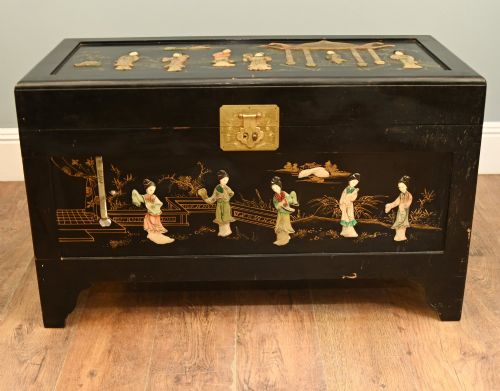
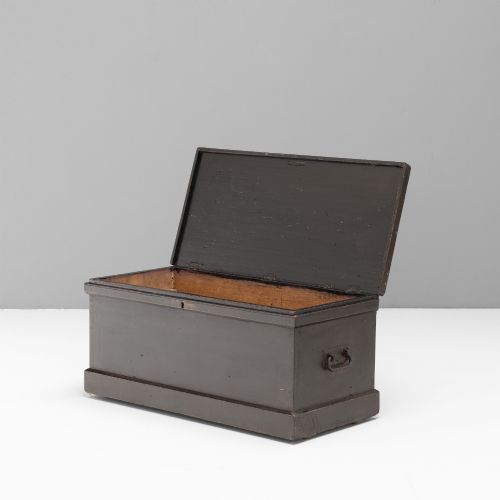
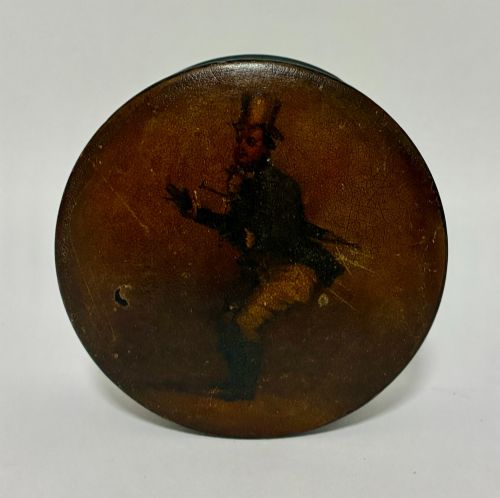
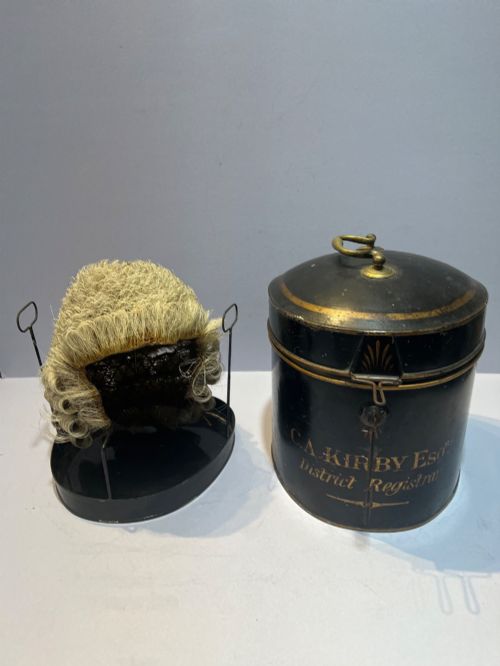
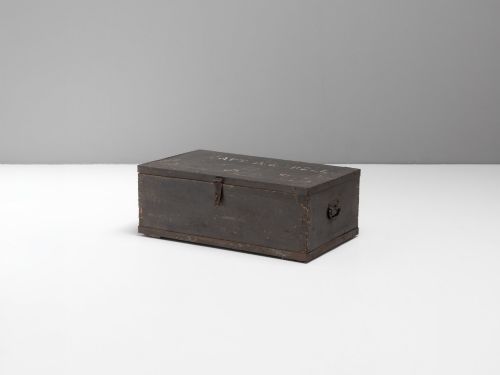
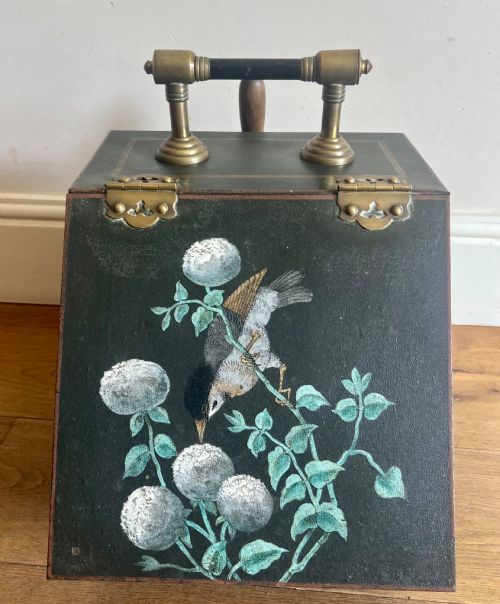
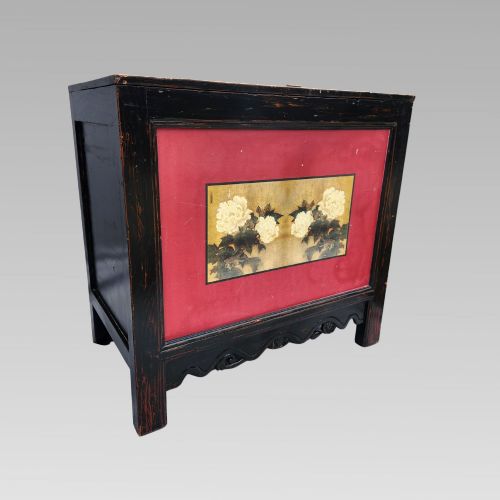
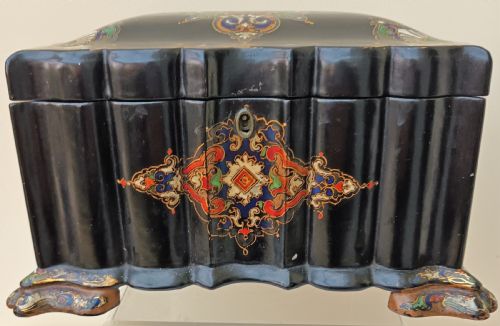
When you search for a black painted box, you encounter a remarkably varied group of objects spanning simple pine trunks to finely detailed lacquer containers. The selection on this page ranges from utilitarian document tins and seaman's chests to delicate tea caddies, snuff boxes, and pen cases.
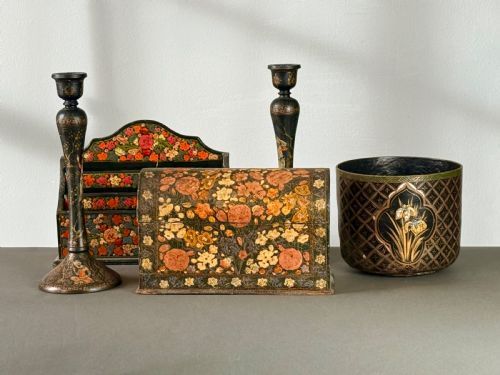
You are most likely to meet 19th-century pine storage chests, papier-mâché desk accessories, and oriental export lacquer pieces. These items served diverse daily purposes, storing everything from legal papers and tea to tobacco and personal valuables.
How they were made
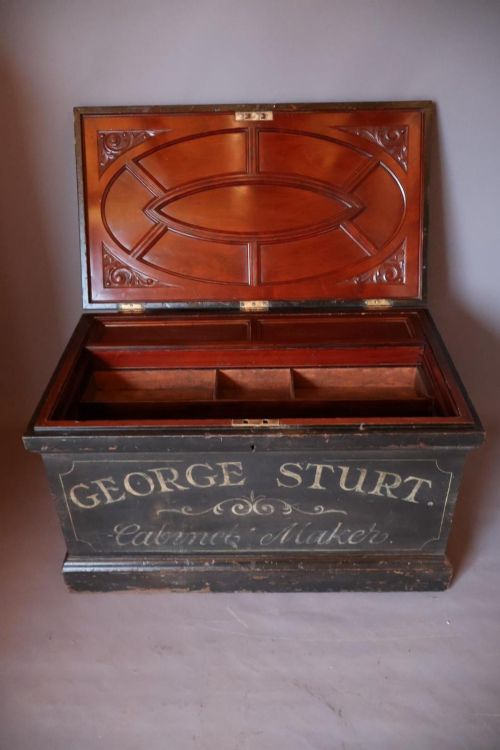
Many items utilise a robust wooden carcase of pine or hardwood, coated in dark paint or traditional black lacquer to protect the surface. Papier-mâché and toleware alternatives rely on layered paper pulp or sheet metal, shaped and finished with durable coatings.
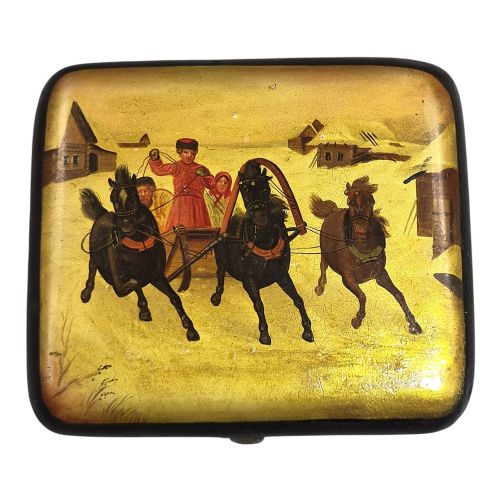
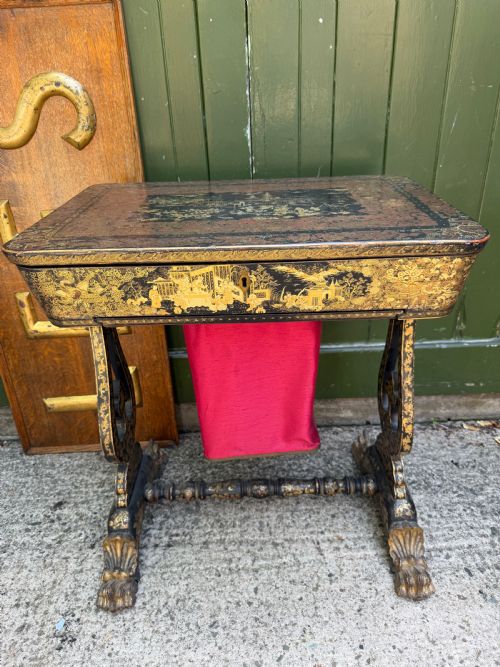
Decoration often involves hand-painted motifs, gold leaf highlights, penwork, or pokerwork. Skilled makers applied multiple layers of lacquer or paint, sometimes incorporating detailed figurative scenes or floral patterns influenced by Chinoiserie and folk art traditions.
Black Painted Box Retail Price Guide 2026
Typical asking prices for black painted box among the pieces listed under this phrase on Sellingantiques today, from the lower quarter to the upper quarter. They describe what is for sale here now, not the wider market.
The listings feature pine, lacquer, papier-mâché, and brass across nineteenth-century folk art, Victorian, and Regency periods.
What varies in quality
The distinction between ordinary and exceptional examples lies in the execution of the surface finish and the refinement of the decoration. Superior pieces display meticulous hand-painted details, well-preserved gold leaf, and stable foundational materials without crude structural repairs.
Provenance and original hardware also influence desirability, separating standard utilitarian containers from signed workshop pieces or high-status decorative boxes intended for display.
Eade and Son·Vishnyakov Workshop·Stobwasser·Waring and Sons
The Black Painted Box Glossary
- Papier-mâché
- A composite material made from paper pulp or reinforced paper sheets, moulded and dried to form rigid boxes and trays. It provided a smooth base for lacquer and painted decoration during the Georgian and Victorian eras.
- Toleware
- Tin-plated steel that has been painted and baked with a durable dark enamel or lacquer. This technique produced robust document tins, coal scuttles, and caddies.
- Chinoiserie
- European decorative style reflecting Chinese artistic influences, characterised by painted or gilded motifs on dark lacquer grounds. It appeared frequently on tea caddies and storage chests.
- Penwork
- A decorative technique using fine ink lines to create intricate surface patterns resembling engravings on wooden objects. Regency boxes often utilised this method before being sealed and varnished.
- Lacquer
- A durable resin finish applied in multiple thin layers and polished to a smooth sheen. Traditional Asian and European versions created deep, reflective black surfaces.
Black Painted Box: Frequently Asked Questions
How were small papier-mâché boxes used?
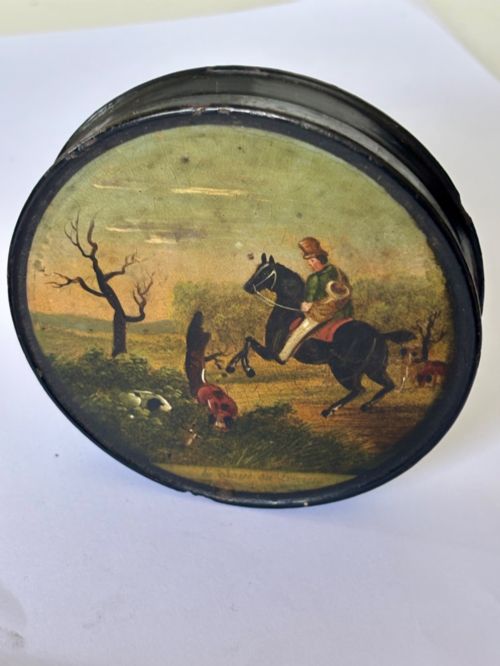
Small papier-mâché boxes served primarily as personal accessories for holding snuff, cigarettes, or small trinkets. Their smooth surfaces and portable sizes made them fashionable pocket or tabletop items.
Craftsmen often adorned them with miniature paintings, hunting scenes, or portraits, reflecting the personal tastes of their original owners during the Georgian and Victorian periods.
What is the difference between a tea caddy and a regular box?
A tea caddy was specifically manufactured to store loose tea leaves securely, often featuring internal compartments or fitted canisters. Because tea was an expensive commodity, these containers usually included locking mechanisms.
Standard decorative or storage boxes lacked these specific internal divisions and were instead utilised for letters, documents, or general household items.
How do I identify a painted pine seaman's chest?
Seaman's chests typically feature robust pine construction designed to withstand maritime conditions, often accompanied by rope carrying handles and protective side brackets. Their painted exterior finishes frequently included patriotic motifs or ship emblems.
These utilitarian trunks provided sailors with essential personal storage space during long voyages aboard nineteenth-century vessels.
What distinguishes toleware from wooden boxes?
Toleware consists of metal, specifically tinned sheet iron, rather than organic timber or paper pulp. This metal foundation allowed makers to form rigid containers like document tins, coal scuttles, and hat boxes.
A dark painted or japanned finish protected the metal underneath from rust while offering a smooth surface for decorative gilding.