



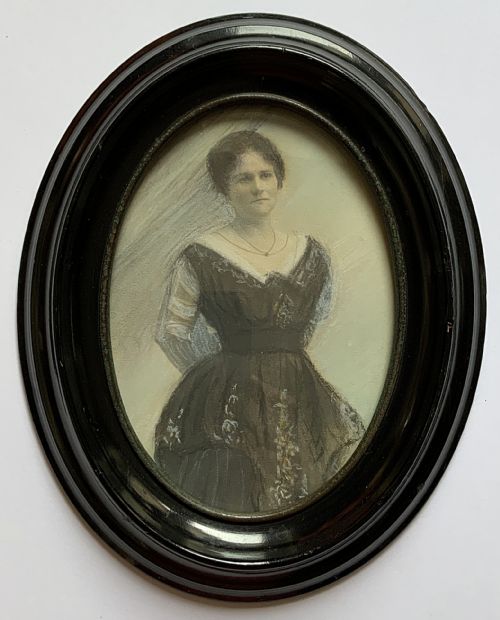
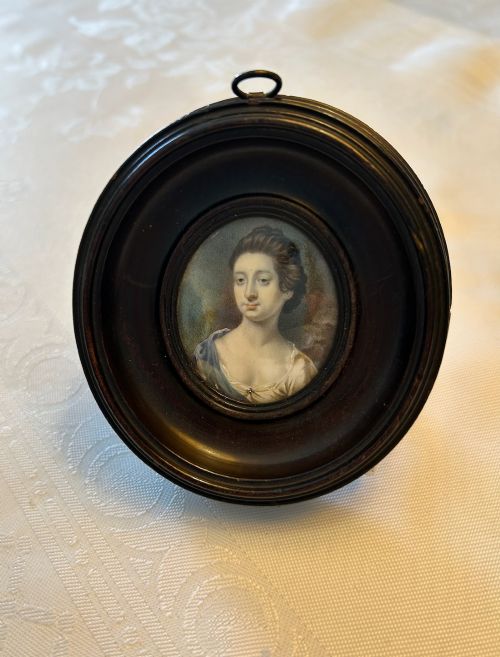
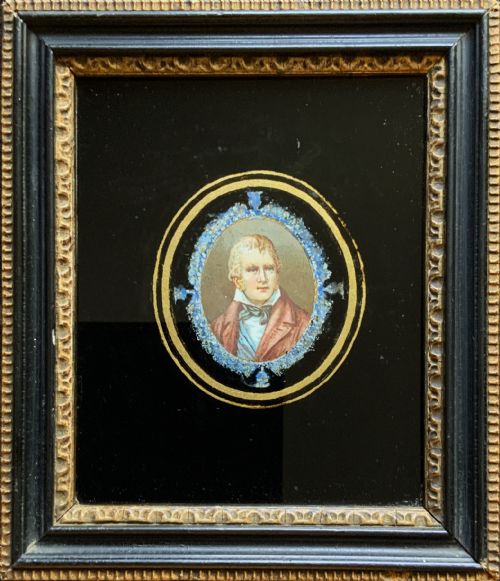

Black Oval Framed Art
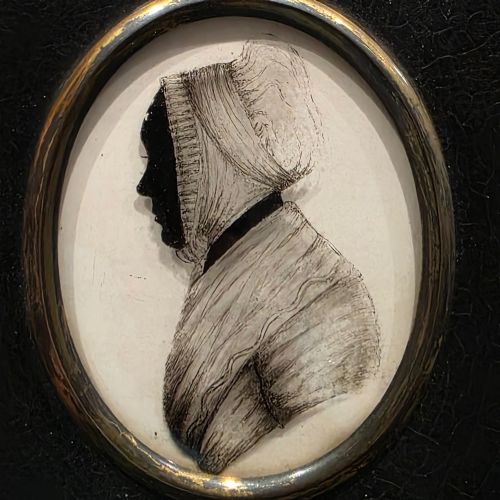
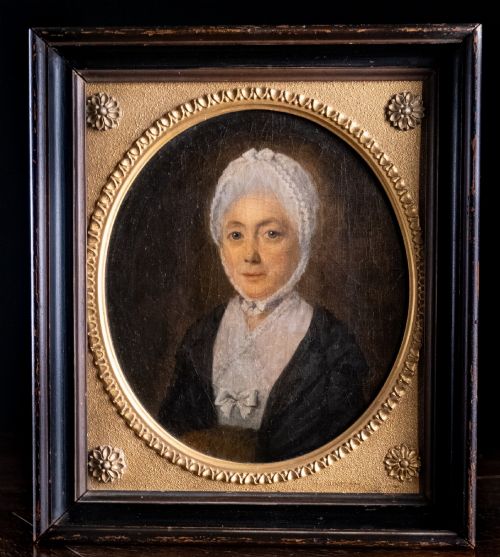
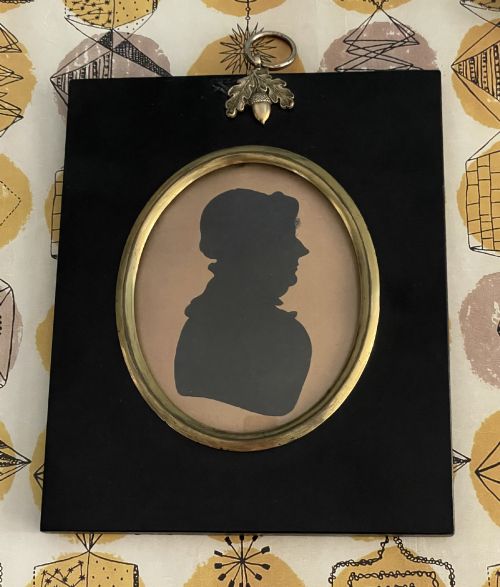
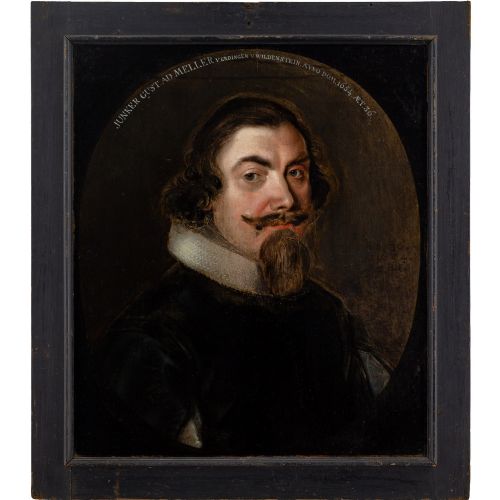
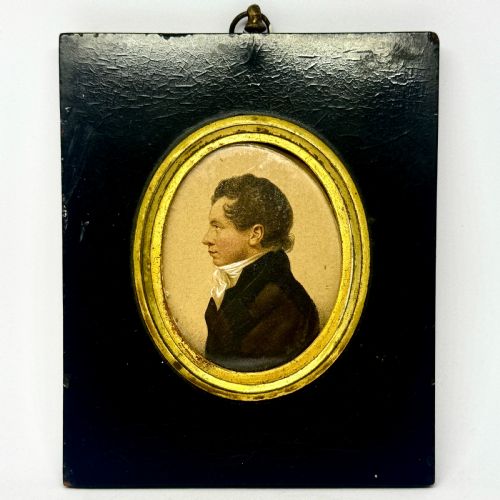
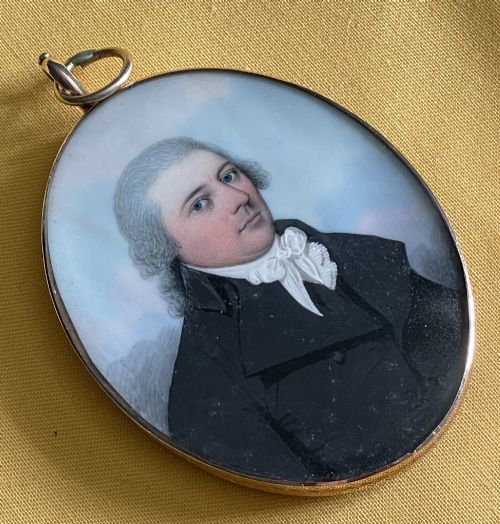
When collectors search for black oval framed art, they find historical portrait miniatures and silhouettes housed in distinctive dark enclosures.
Black Oval Framed Art
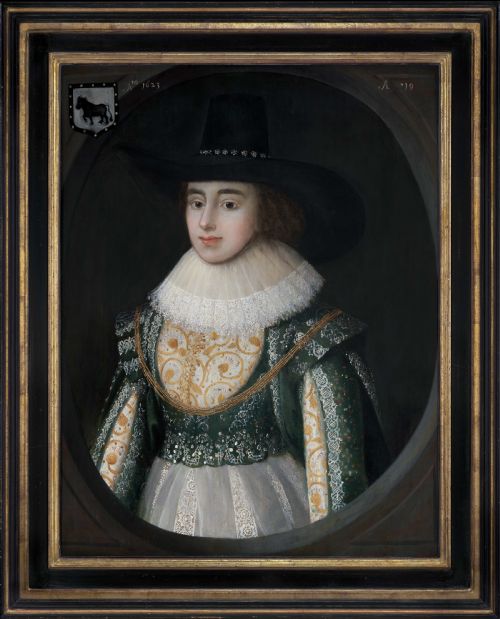
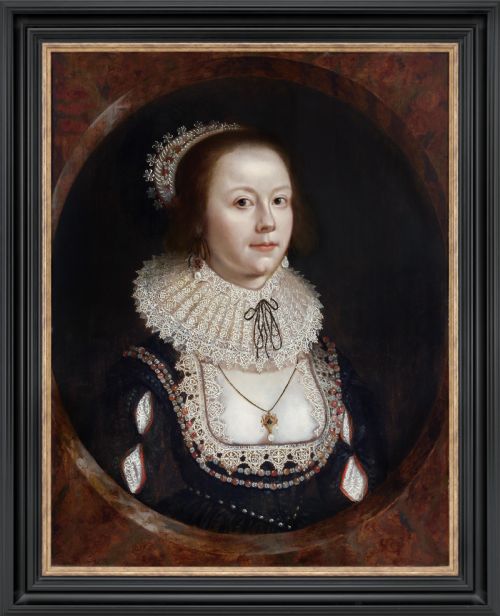
The black oval framed art on this page spans from the seventeenth century through the Victorian era, encompassing oil paintings, watercolours, engravings, and silhouettes.
Portrait miniatures and silhouette profiles dominate the selection, often depicting named sitters from Georgian, Regency, and earlier British periods.
Many examples utilise ebonised wood or dark timber mouldings specifically curved to echo the intimate scale of the portrait within.
Materials and Techniques
Frames combine wood, brass, and glass, frequently employing ebonised finishes or verre églomisé techniques to create a dark border that focuses attention on the central image.
Listings feature oil paintings, watercolours, engravings, and silhouettes housed in wood, glass, and brass.
Judging Quality
Quality rests in the precision of the portrait work and the originality of the housing, where crisp plumbago lines or delicate brushwork elevate a piece.
The integration between the artwork and the enclosing frame matters greatly, with period housings retaining their original glass and backing materials demonstrating higher integrity.
John Smith·Henry Bone·James Gillespie·Cornelius Johnson·Jacobus Houbraken·Frederick Buck·John Taylor·John Miers·Archibald Skirving·James Ferguson
The Black Oval Framed Art Glossary
- Plumbago
- A drawing executed in graphite, named after the Latin word for lead. These monochrome works capture fine details in miniature portraiture.
- Silhouette
- A profile portrait filled in with a solid dark colour, often cut from paper or painted on card, plaster, or glass. John Miers remains a notable practitioner.
- Verre églomisé
- A process of applying cold painting and gold leaf to glass, creating a reflective border. This technique often frames Regency silhouette and woolwork pictures.
Black Oval Framed Art: Frequently Asked Questions
What periods do these pieces come from?
The selection spans multiple centuries, with items originating from the seventeenth, eighteenth, and nineteenth centuries, including Georgian and Regency eras.
Earlier pieces often feature oil on panel, whilst later nineteenth-century examples frequently include silhouettes and watercolour studies.
How were silhouettes created?
Silhouettes were produced through various methods such as cutting directly from black paper, painting on glass, or rendering likenesses on plaster.
Artists like John Miers specialised in these profiles, sometimes adding subtle gilded highlights to enhance the subject's attire.
Where should I hang these items?
Their compact scale suits them for gallery walls grouped alongside other small framed works or displayed in narrow spaces where larger canvases do not fit.
Direct sunlight should be avoided to protect delicate watercolours, plumbago drawings, and paper cutouts from fading over time.
Are the frames original?
Many listings retain their period housings, which typically consist of ebonised wood or specialised glass surrounds tailored to the oval format.
Examining the reverse often reveals historical backing papers, old trade labels, or inscriptions that provide clues to the age of the framing.