


Black Metal Fireplace Guard
These black metal fireplace guard examples protect rooms from errant sparks whilst anchoring a hearth with period character.
Black Metal Fireplace Guard
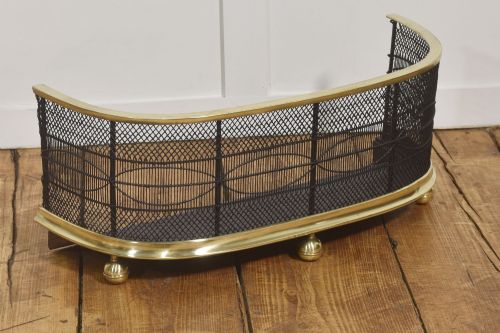
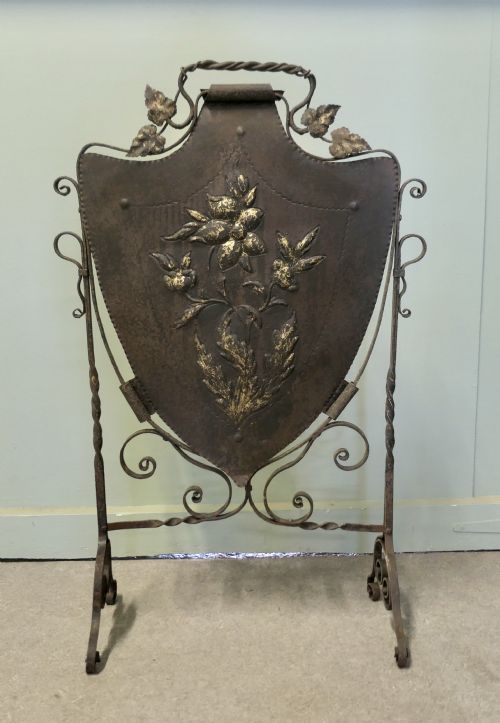
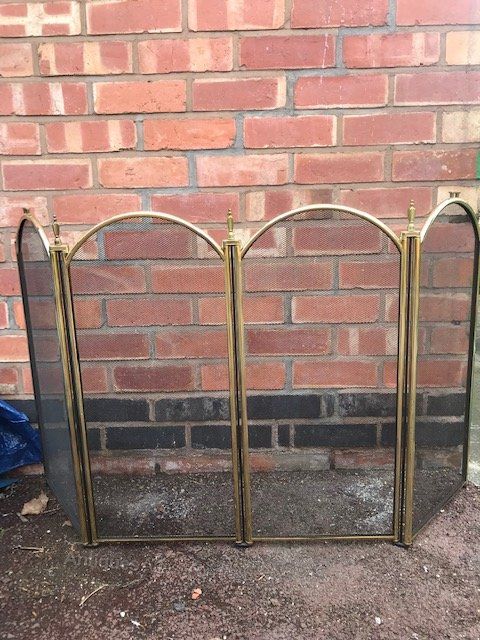
A black metal fireplace guard provides a physical barrier between an open hearth and the room, stopping sparks and embers from reaching floor coverings. These pieces include folding screens, nursery fenders designed to keep children at a safe distance, and heavy spark guards.
The selections here span the Victorian and Edwardian eras through to the 1930s, alongside nineteenth-century pieces and earlier Georgian-style works. Forms range from simple single-panel wrought iron screens to elaborate folding designs with multiple sections.
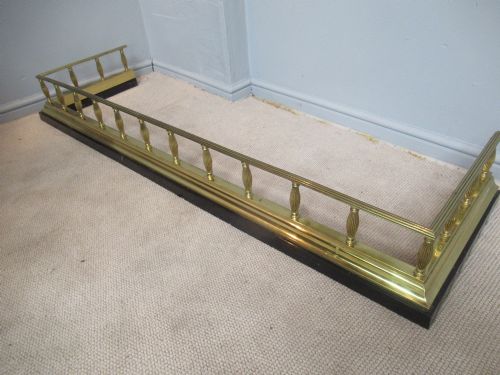
Buyers will most frequently encounter sturdy iron and wire mesh constructions alongside combinations of black-finished steel and polished brass. Many items integrate practical additions such as clothes rails or companion sets within their frames.
How they were made
Black metal fireplace guards rely heavily on wrought iron, cast iron, and steel for their primary structural frames. Black finishes are applied to iron and steel components, often contrasted with brass top rails, copper panels, or gilt accents.
Fine wire mesh and woven iron wire form the protective screens that catch flying sparks while maintaining visibility of the fire. Heavier pieces utilise sturdy hand-wrought bars and cast iron elements to ensure stability around the hearth.
Some nursery fenders double as indoor clothes dryers, proving that Victorian practicality knew no bounds when it came to damp socks.
What varies in quality
The standard of a black metal fireplace guard is determined by the weight of its materials and the precision of its metalwork. Substantial wrought iron frames and tightly woven wire mesh represent higher standards of construction than lighter, purely decorative items.
Detailing also dictates value, with hand-hammered scrollwork, secure riveted joints, and integrated brass or copper fittings distinguishing finer pieces. Folding mechanisms that operate smoothly across multiple sections indicate careful original manufacture.
The Black Metal Fireplace Guard Glossary
- Nursery fender
- A low enclosing barrier designed to keep young children at a safe distance from an active fire. These often include raised frames and sometimes feature built-in rails.
- Spark guard
- A protective screen, typically made of fine wire mesh, positioned directly in front of the fireplace opening to catch flying embers. They are built to be functional and easily movable.
- Wrought iron
- Iron that has been heated and hammered into shape by hand, resulting in a fibrous structure with high tensile strength. It allows for decorative scrolls and sturdy structural framing.
- Club fender
- A large fender featuring upholstered seats on either side, allowing people to sit close to the hearth. They are traditionally constructed from metal frames combined with leather or fabric pads.
Black Metal Fireplace Guard: Frequently Asked Questions
How do I choose the right size?
Measure the width and height of your fireplace opening, ensuring the guard extends sufficiently beyond the hearth edges to contain sparks effectively. Consider whether you need a folding design that can be adjusted to fit your specific hearth space.
Take into account the clearance needed around the fire basket and whether furniture sits close to the hearth. Larger country house rooms can accommodate heavy screens, whilst smaller spaces benefit from compact folding versions.
What is a nursery fender?
A nursery fender is an enclosed barrier that surrounds the hearth area entirely, originally created to prevent young children from getting too close to the fire. They are typically taller and more substantial than standard hearth fenders.
Many examples include integrated clothes rails or mesh panels for added safety and utility. They offer a secure perimeter while still allowing heat to circulate into the room.
How do I clean black metal?
Dust the metal regularly with a soft, dry cloth to prevent the accumulation of soot and debris. Avoid using harsh chemical cleaners that can strip or damage the original black finish.
For stubborn marks, a light wipe with a damp cloth followed by immediate drying is usually sufficient. Preserving the patination of nineteenth and early twentieth-century ironwork is key to maintaining its character.