


Black Lacquer Case
A black lacquer case brings together deep polished surfaces and intricate hand-painted detail, offering both a striking decorative presence and practical storage.
Black Lacquer Case
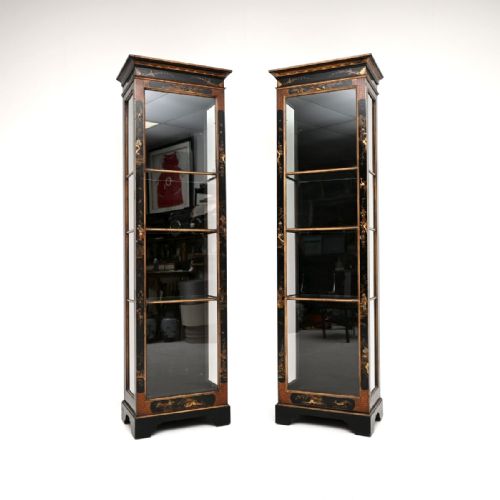
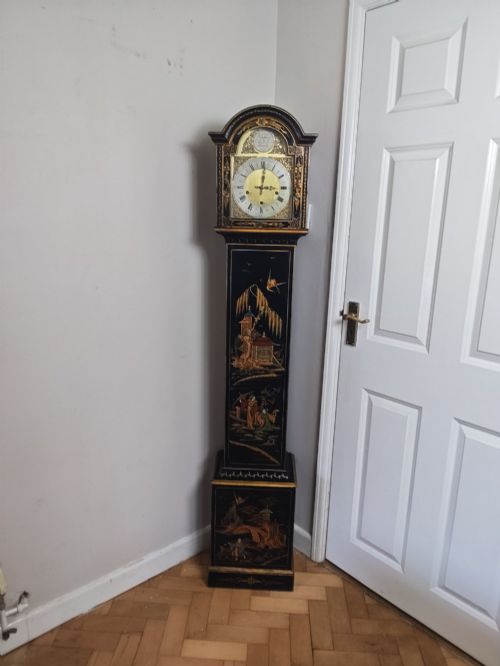
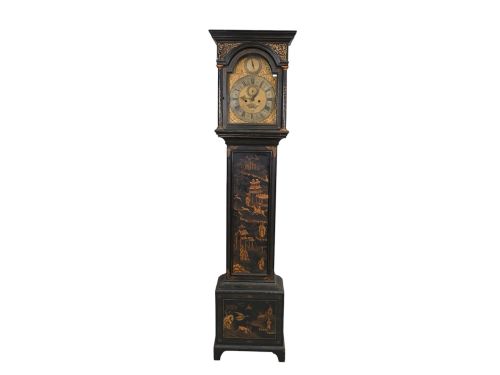
A black lacquer case encompasses a diverse range of objects, from tall longcase clocks and display cabinets to smaller decorative boxes and smoking accessories. These items span multiple periods including the 18th century, Georgian era, 19th century, Edwardian period, and the 1930s.
Origins stretch across British, European, Russian, Persian, Kashmiri, and Japanese makers, showing how widely this decorative tradition spread. Buyers meet everything from towering grandfather clocks to pocket-sized cases for cigarettes and pens.
How they were made
Construction relies on wood, papier-mâché, and ebonised wood as structural foundations for the lacquer applications. Artisans built up multiple layers of lacquer to achieve a smooth, deep black finish that could accept further decoration.
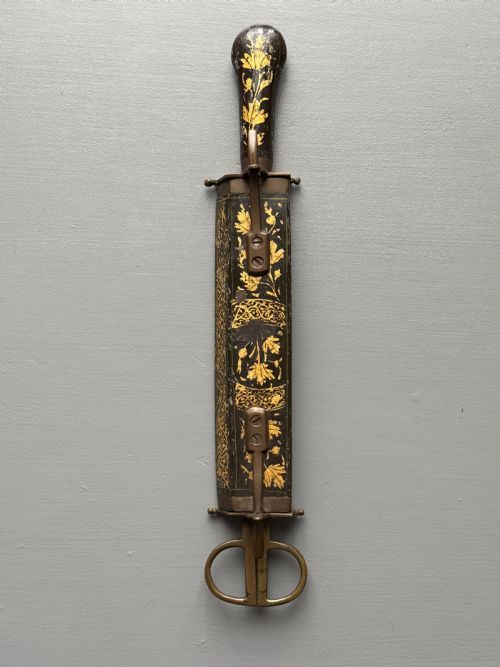
Gold leaf, paint, and sometimes brass or glass elements were applied over the dark ground. Japanese Meiji pieces additionally demonstrate specialised techniques such as carved black lacquer and intricate metalwork details.
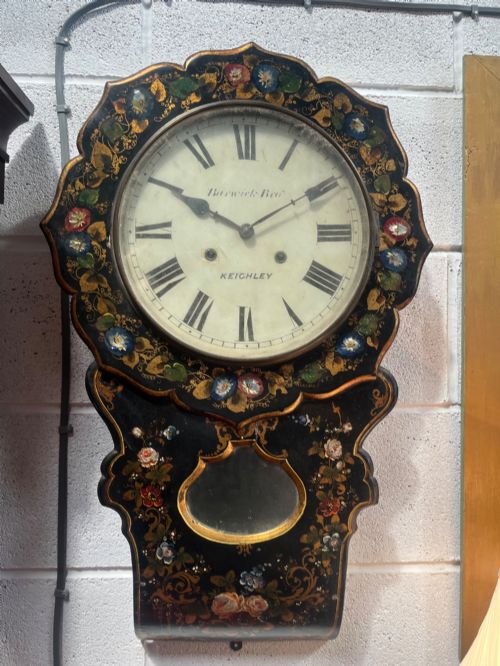
Painters rendered elaborate scenes in the Chinoiserie tradition, depicting figures, landscapes, and floral motifs. Workshops in various regions adapted these decorative schemes to suit local tastes in furniture and smaller personal objects.
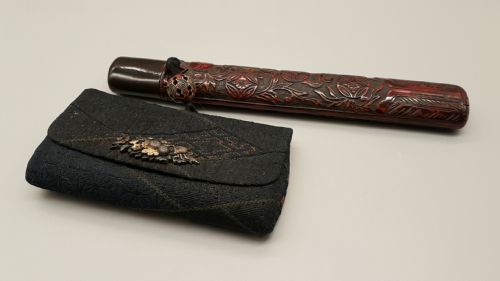
One tiny Meiji period smoking ensemble even pairs a silk tobacco pouch with a tiny carved ojime bead.
What varies in quality
The depth and durability of the lacquer finish distinguish finer examples from standard work. Superior pieces display smooth, even surfaces where successive layers have been meticulously rubbed down and polished.
The execution of the painted or gilded decoration marks another clear distinction in standard. Master hands achieved crisp, expressive lines in Chinoiserie landscapes and figure work, whereas lesser examples appear flat and hurried.
Materials and hardware integration also set pieces apart, particularly in the quality of accompanying brass mounts, glass panels, or fitted interior compartments. Cohesiveness between the casework and its decorative scheme dictates the overall standing of the item.
Vishnyakov Workshop·Thomas Utting of Yarmouth·Swift and Son·Koma Koryu
The Black Lacquer Case Glossary
- Chinoiserie
- European decorative style reflecting Chinese artistic influences, popular in furniture and clock cases. It often employs gilt motifs on black or dark backgrounds.
- Japanned
- European imitation of East Asian lacquerwork, created using layers of varnish and metallic dust. This finish appears frequently on 18th-century longcase clocks.
- Inro
- Small traditional Japanese case for carrying small objects, suspended from a sash. These pieces often feature fine black lacquer work combined with gold and silver.
- Papier-mâché
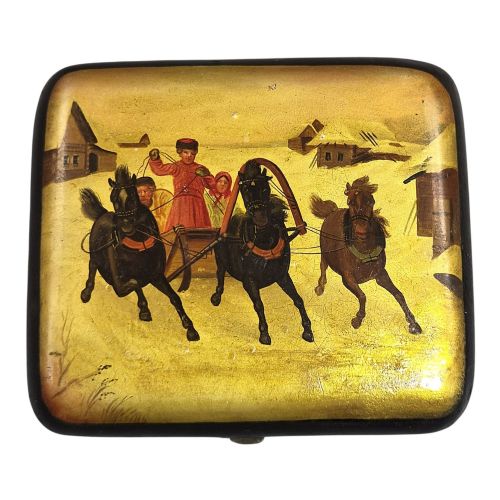
- Masticated paper pulp pressed and dried into sturdy forms, then lacquered and painted. Russian and Kashmiri makers utilised this material for lightweight decorative boxes and pen cases.
- Ebonised
- Wood treated to resemble ebony, providing a dark surface that complements lacquer panels or glass display doors. It is common in Victorian and Edwardian cabinetry.
Black Lacquer Case: Frequently Asked Questions
What is a black lacquer case?
A black lacquer case refers to an item finished with dark resinous coatings, encompassing furniture like longcase clocks and cabinets, as well as smaller boxes and smoking accessories.
These pieces draw on traditions from Britain, Europe, Russia, Persia, and Japan, featuring decorative techniques such as hand-painting, gilding, and carving.
How do I date a lacquer clock?
Dating relies on examining the structural proportions of the case, the dial design, and the style of the decorative Chinoiserie motifs. Earlier 18th-century examples differ significantly in profile from Edwardian or 1930s grandmother clocks.
Secondary clues include the type of movement, hinges, and the specific formulation or ageing of the lacquer finish itself.
Where were these pieces made?
Production spans several continents, with British and European workshops producing tall clocks and cabinets in the Chinoiserie taste. Other notable origins include Japan for Meiji period lacquerwork and Russia or Kashmir for papier-mâché boxes.
Each region developed distinct approaches to the base materials and the application of surface decoration.
How do I care for lacquer?
Keep lacquer pieces away from direct sunlight and steady heat sources to prevent the surface from drying out or crazing. Dust them gently with a soft, dry cloth without applying modern chemical polishes.
Stable indoor humidity helps preserve both the wooden or papier-mâché foundation and the delicate lacquer layer above it.