
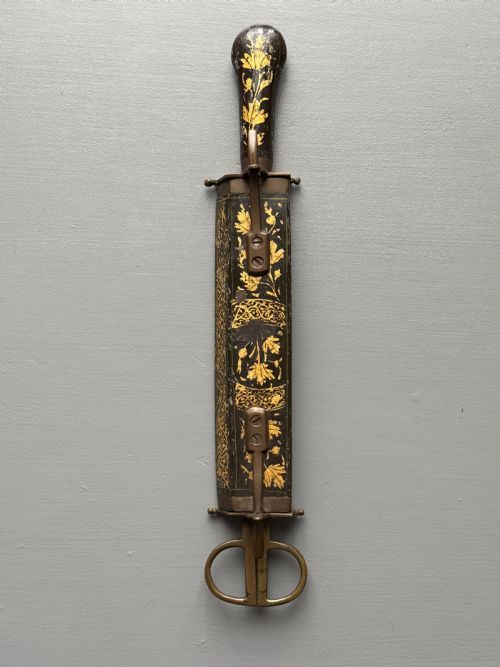


Oriental Lacquer Case
An oriental lacquer case brings hand-applied lustre and intricate narrative panels into a room, offering both decorative presence and small-scale storage.
Oriental Lacquer Case
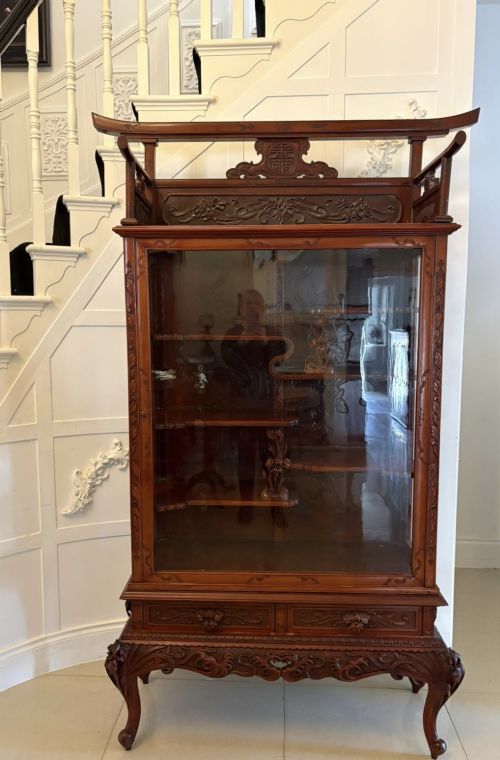
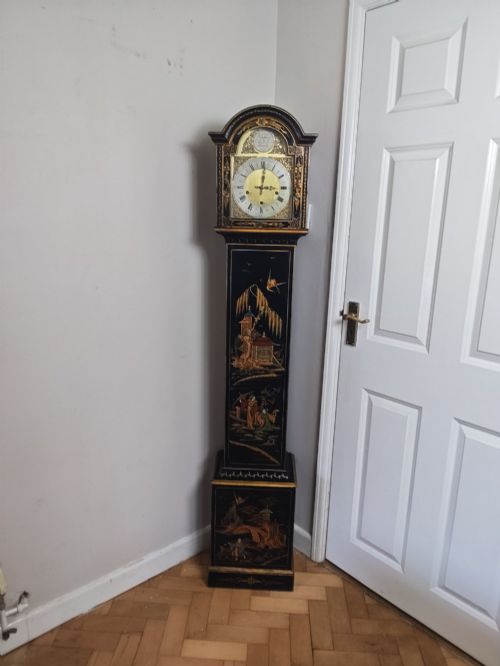
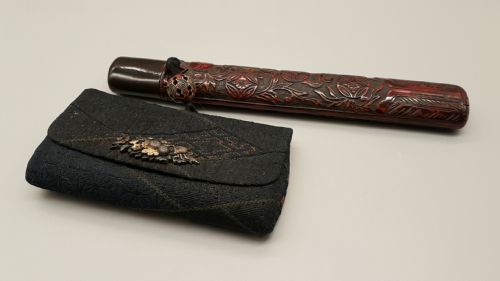
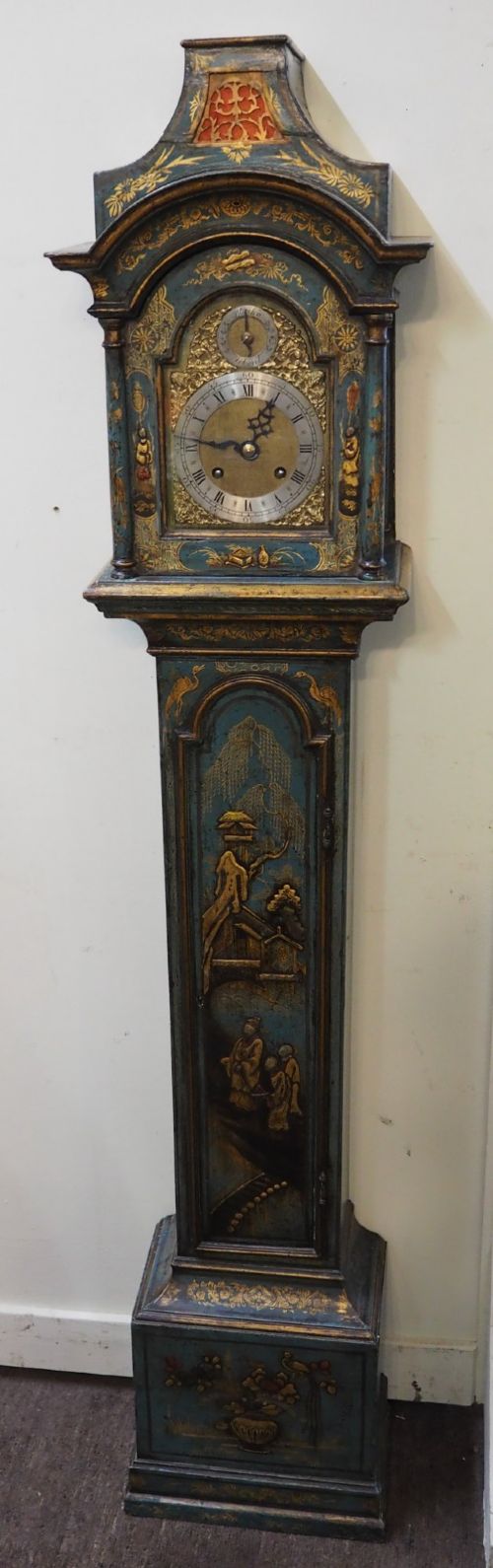
When you search for an oriental lacquer case, you encounter a varied group of objects spanning domestic clocks, display cabinets, and smaller receptacles like jewellery boxes, keepsake boxes, and smoking ensembles. The selection ranges from larger furniture forms such as longcase and grandmother clocks to portable items like spectacle cases and sharing boxes.
The periods represented stretch from the mid-eighteenth century through the Victorian and Edwardian eras into the early twentieth century, incorporating Georgian, Meiji, and Chinese export traditions. You are most likely to meet pieces that reflect nineteenth-century craftsmanship alongside twentieth-century interpretations of earlier styles.
Geographic origins and stylistic influences are diverse, drawing on Japanese, Chinese, Persian Qajar, and Kashmiri aesthetics. These objects serve distinct functions, from housing personal valuables and timekeeping movements to displaying collections within domestic interiors.
Materials and construction methods
The foundational structures rely on wood, hardwood, and papier-mâche, providing stable cores for the applied finishes. Artisans built cabinetry and smaller boxes using traditional joinery before preparing the surfaces to receive successive coats of lacquer.
Decoration incorporates gold leaf, brass hardware, and occasionally glass panels or silk linings for internal compartments. The distinctive surface finish is achieved through the meticulous application and polishing of lacquer, sometimes enhanced by painted or gilded pictorial motifs.
Several items include tiny sliding compartments designed to conceal small secrets from inquisitive household guests.
Assessing craftsmanship and finish
Quality rests upon the depth of the lacquer finish and the precision of the underlying woodwork or papier-mâche structure. Finer examples display smooth, even surfaces where applied gold leaf and pictorial details remain crisp and securely adhered.
In functional pieces like clocks and fitted boxes, the integration of brass hinges, locks, and internal silk or glass components distinguishes more substantial commissions from simpler utilitarian items.
The Oriental Lacquer Case Glossary
- Lacquer
- A durable resin finish applied in multiple layers to a prepared base. It creates a smooth, glossy protective surface that resists moisture and wear.
- Chinoiserie
- European theatrical interpretation of Chinese and East Asian artistic traditions. It appears frequently in decorative furniture and clock cases from the eighteenth century onwards.
- Meiji
- A Japanese historical period lasting from eighteen sixty-eight to nineteen twelve. Pieces from this era often exhibit refined decorative techniques and detailed craftsmanship.
- Papier-mâche
- A composite material made from paper pulp or layers of paper bound with adhesive. It is moulded into shape and lacquered to form lightweight boxes and desk accessories.
- Inro
- A traditional Japanese small portable case for holding items, consisting of nested compartments. They are typically secured with a cord and toggle.
Oriental Lacquer Case: Frequently Asked Questions
What is an oriental lacquer case?
An oriental lacquer case encompasses a broad category of decorative objects, from portable travelling boxes and spectacle holders to large clock enclosures and display cabinets finished with traditional resin coatings.
These items draw on Asian decorative traditions or European interpretations such as chinoiserie, combining structural woodwork or papier-mâche with detailed surface painting and gilding.
How do I care for lacquer?
Lacquer surfaces require protection from direct sunlight, extreme temperature fluctuations, and excessive moisture to prevent fading or surface cracking. Gentle dusting with a soft, dry cloth is sufficient for routine maintenance.
Avoid using chemical polishes, abrasives, or modern cleaning sprays, as these can permanently damage the delicate finish and underlying gold leaf.
How do I date a piece?
Dating relies on examining the construction methods, the materials used for the core structure, and the stylistic characteristics of the painted or gilded decoration. Structural cues like handmade brass hinges or specific joinery techniques offer reliable indicators.
Historical periods represented in these items range from eighteenth-century Georgian examples to nineteenth-century Victorian pieces and early twentieth-century clocks.
Where were these items made?
The pieces originate from various regions including Japan, China, Kashmir, and Persia, alongside European workshops producing items in the chinoiserie style. Each region utilised distinct regional materials and decorative motifs.
Japanese Meiji period items often reflect distinct local craftsmanship, while European interpretations adapted Asian aesthetics for domestic interiors during the Victorian and Edwardian eras.