


Black Ink Sketch Paper
Black ink sketch paper carries original drawings across the nineteenth and twentieth centuries, offering direct encounters with artists' working methods and finished studies.
Black Ink Sketch Paper
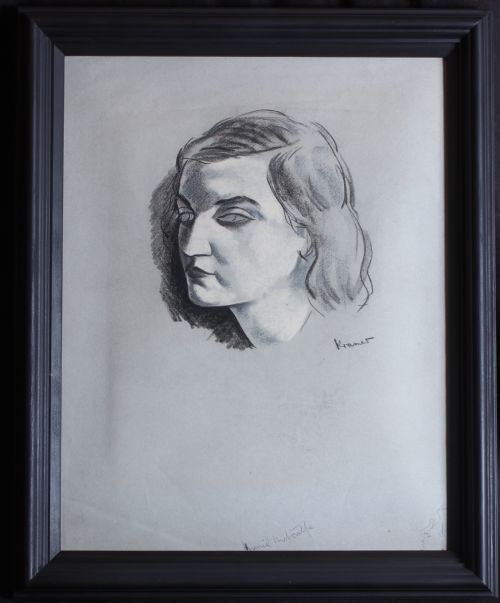
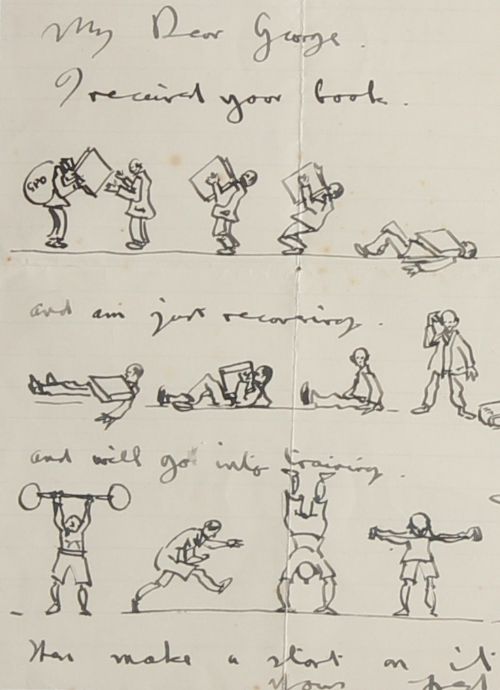
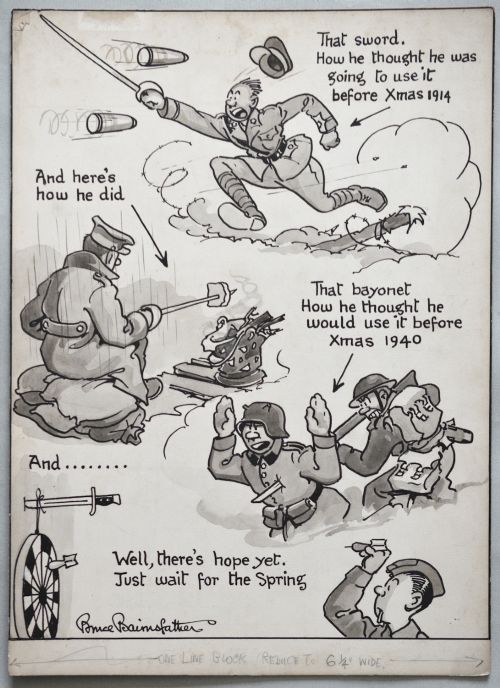
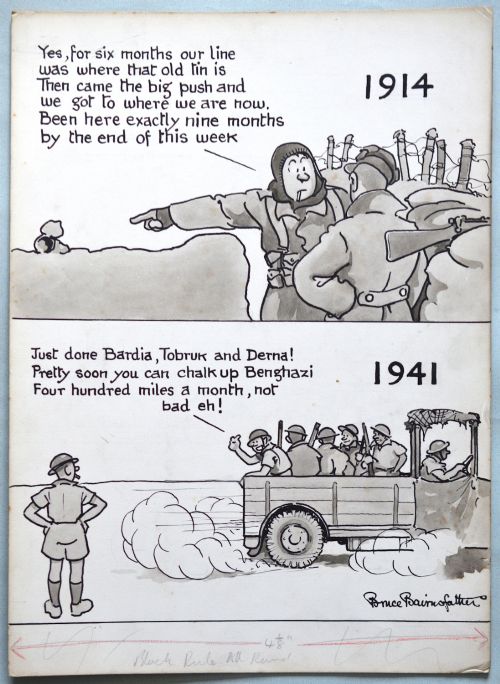
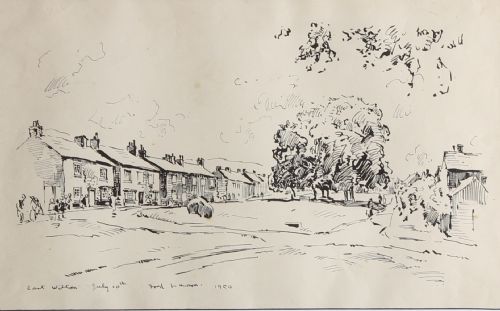
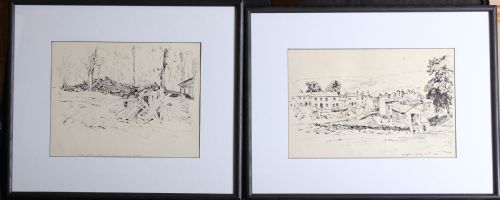
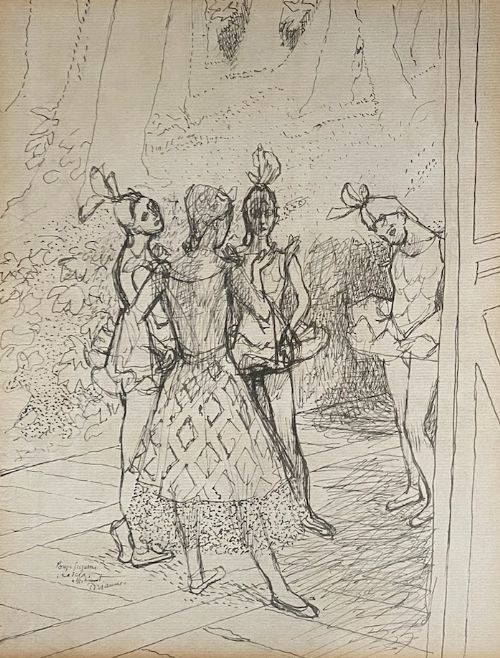
When you search for black ink sketch paper, you encounter original drawings on paper supports spanning the nineteenth century through the mid-twentieth century. The selection includes architectural studies, landscape views, satirical illustrations, and figure studies executed in ink, often combined with wash, watercolour, or pencil.
The versions most commonly met on this page originate from the twentieth century, particularly the decades between the nineteen-twenties and the nineteen-sixties. British artists and continental draftsmen produced these works on paper, utilising straightforward framing or preserving them as unmounted sheets.
Materials and execution
The foundational support consists of paper, which receives marks applied with ink using pens or fine brushes. Artists frequently added wash, watercolour, pencil, or charcoal to build tone and depth across the composition.
Many of these works are housed behind glass within wooden frames, protecting the delicate paper and water-based mediums from atmospheric damage. The physical interaction between the ink and the fibrous paper surface defines the tactile quality of each sheet.
Listings feature paper supports combined with ink, wash, watercolour, pencil, and charcoal, housed in wooden frames with glass.
Factors of quality
The strength of the draftsmanship and the clarity of the line work distinguish the finest examples from simpler student exercises. Pieces that capture expressive gesture or precise architectural detail demonstrate greater command of the medium.
The integrity of the paper support and the preservation of the ink and wash layers influence the overall standing of a piece. Works retaining their original context, such as named sketchbooks or identifiable historical subjects, hold deeper documentary interest.
The Black Ink Sketch Paper Glossary
- Wash
- A thin layer of diluted ink or watercolour applied with a brush to create tonal depth and shadow behind crisp ink lines. It provides atmospheric shading in landscape and architectural drawings.
- Original drawing
- A unique, hand-executed work created directly by the artist rather than a mechanical reproduction. These sheets show the immediate touch of the pen or pencil.
- Gothic Revival
- An architectural and artistic style drawing inspiration from medieval forms, prevalent during the nineteenth century. Architectural drawings and historical studies often reflect this aesthetic.
- Watercolour
- A paint medium consisting of pigment suspended in a water-soluble vehicle, frequently combined with ink on sketch paper. It adds transparent colour to linear compositions.
- Modernist
- An artistic movement of the twentieth century breaking away from traditional academic representation toward abstract or simplified forms. Works from this period emphasise stark lines and expressive nudes.
Black Ink Sketch Paper: Frequently Asked Questions
How should I display black ink sketch paper?
Keep works on paper away from direct sunlight to prevent the ink and any watercolour washes from fading over time. Framing them behind glass with conservation-grade mounts protects the fragile paper from humidity and atmospheric pollutants.
Position them in rooms with stable environmental conditions, avoiding damp spaces like kitchens or bathrooms. Proper framing preserves both the paper support and the integrity of the drawn lines.
What periods do these drawings cover?
The works span from the nineteenth century through the mid-twentieth century, encompassing Edwardian pieces and mid-century modern examples. You will find items dated across the nineteen-tens, twenties, thirties, forties, fifties, and sixties.
Earlier nineteenth-century pieces often focus on architectural subjects and historical studies, while twentieth-century examples lean towards landscape views, satirical illustrations, and figure studies.
Are these drawings signed by artists?
Some sheets bear signatures or explicit attributions to known creators such as Fred Lawson, Bruce Bairnsfather, Lucien Freud, or John Duncan Fergusson. Others represent anonymous student work, such as architectural drawings from specific schools.
Attributions rely on contemporary inscriptions, signatures on the paper, or provenance documented within artist sketchbooks and historical collections.
What mediums accompany the ink on these papers?
Artists frequently combined black ink with watercolour, wash, pencil, or charcoal to enhance their compositions. These supplementary mediums introduce tonal variation, shading, and subtle colour to the primary linear work.
The choice of medium often reflects the period and the specific purpose of the sheet, ranging from rapid landscape notes to finished illustrative studies.