




Original Art Deco Sketch
An original art deco sketch brings the bold graphic lines and sophisticated character of the interwar years straight onto your wall.
Original Art Deco Sketch
When you search for an original art deco sketch, you are looking at authentic works on paper spanning portraiture, landscape and figurative studies from the early twentieth century. These pieces capture the distinctive aesthetic of the period through direct hand-drawn marks rather than mechanical reproduction.
The selection on this page centres heavily on works from the nineteen thirties and nineteen twenties, executed in various European artistic traditions. You will encounter framed drawings, portrait studies and figurative compositions originating from French, Spanish and British hands.
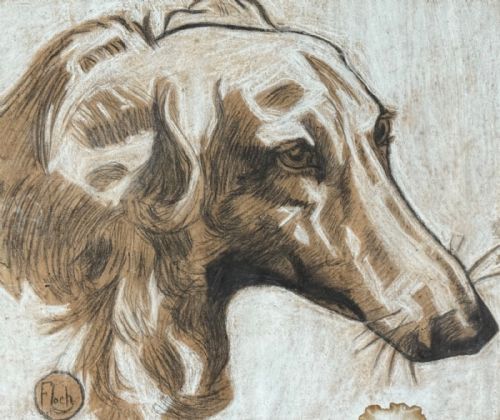
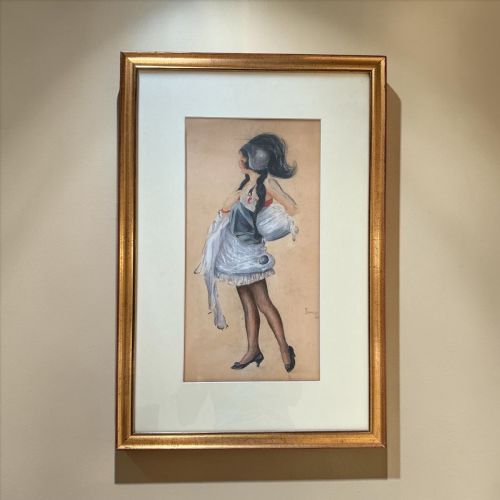
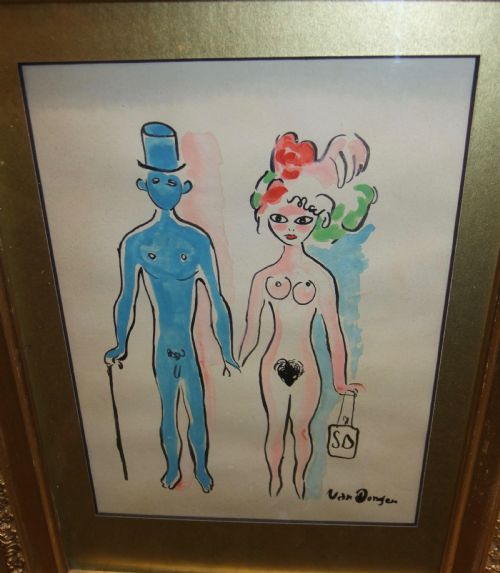
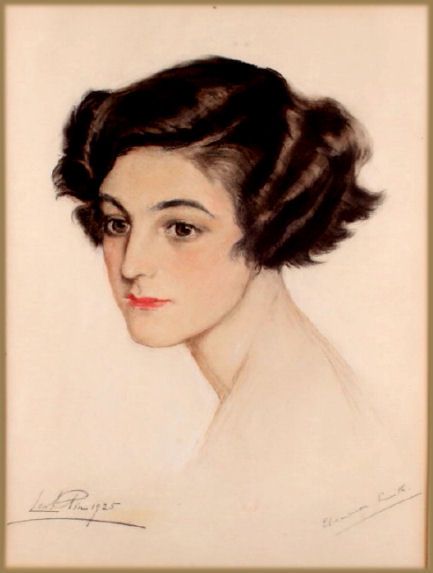
Common subjects include striking portraits of women, theatrical figures, animal studies such as borzoi dogs, and modernist nudes. These drawings reflect the diverse stylistic currents running from late nineteenth-century origins through to full modernist expression.
How these drawings were made
Artists of this era worked primarily on paper supports, utilising mediums such as gouache, graphite, charcoal, ink and pastel to build their compositions. Buff paper and tinted sheets frequently served as a coloured ground to contrast with chalk or pencil marks.
Watercolour and coloured drawing techniques allowed makers to apply washes alongside precise linear work, particularly in French and British sketches from the nineteen thirties. Framing often preserves these delicate works on paper behind glass to protect the dry and water-soluble mediums.
Listings incorporate works spanning multiple decades, dominated by the nineteen thirties alongside examples from the nineteen twenties and nineteen tens.
What determines quality in these sketches
The distinction between ordinary and exceptional works rests on the confidence of the hand and the economy of line. A superior sketch captures character and movement swiftly, whereas lesser examples can feel laboured or hesitant in execution.
Provenance and attribution also elevate certain pieces, particularly when a drawing bears a documented connection to a known artist or exhibition history. The condition of the paper and the preservation of the original medium without fading or heavy foxing play a major role in the overall standing of the work.
Lucien Gibert·Andrè Maurice·Kees van Dongen·Henry Bird·Leo Klin
The Original Art Deco Sketch Glossary
- Gouache
- An opaque watercolour paint consisting of pigment, water, and a binding agent such as gum arabic. It dries to a dense, matte finish that allows for striking highlights on tinted paper.
- Buff paper
- A pale brownish-yellow paper stock frequently used by draftsmen in the early twentieth century. Its neutral tone provides a warm middle ground for chalk and graphite.
- Modernist
- A style reflecting the late nineteenth and early twentieth-century break with traditional academic representation. It prioritises abstraction, simplified forms and expressive line work.
- Fauvism
- An early twentieth-century movement characterised by strong colours and painterly qualities rather than realistic values. Works in this vein favour emotional expression over strict botanical or anatomical accuracy.
Original Art Deco Sketch: Frequently Asked Questions
How do I date an art deco sketch?
Dating relies on stylistic markers, artist signatures, period framing and any accompanying documentation or inscriptions found on the reverse of the paper. Works often reflect the fashion and graphic conventions of the nineteen twenties and thirties.
Paper stock, watermark evidence and biographical details of the sitter or artist further help narrow down the exact decade of creation.
Are these works always unique?
Every piece listed under this category is a hand-drawn original created directly by the artist rather than a printed edition. This means each sheet possesses unique variations in line, tone and composition.
Artists frequently produced preparatory studies or standalone portraits that exist as singular works on paper.
How should I frame and hang works on paper?
Drawings and sketches require framing behind glass with a mount that prevents the paper from touching the glazing directly. This air gap protects fragile mediums like pastel, charcoal and gouache from humidity and condensation.
Position your framed artwork away from direct sunlight to prevent the paper from yellowing and the coloured pigments from fading over time.
What subjects are most common in these drawings?
Portraiture dominates the selection, featuring expressive studies of women, theatrical personalities and dancers from Parisian and European circles. Figure studies, modernist nudes and occasional domestic or landscape scenes also appear.
Animals, including dogs rendered in pencil or wash, provide another recurring subject matter across the period.