


Figurative Charcoal Artwork
Figurative charcoal artwork brings dramatic tonal depth and direct human expression into a room through hand-drawn studies on paper.
Figurative Charcoal Artwork
Figurative charcoal artwork encompasses original drawings, portrait studies, and life drawings executed primarily in charcoal on paper. The selection spans the nineteenth century through to the mid-twentieth century, capturing human subjects across various international schools.
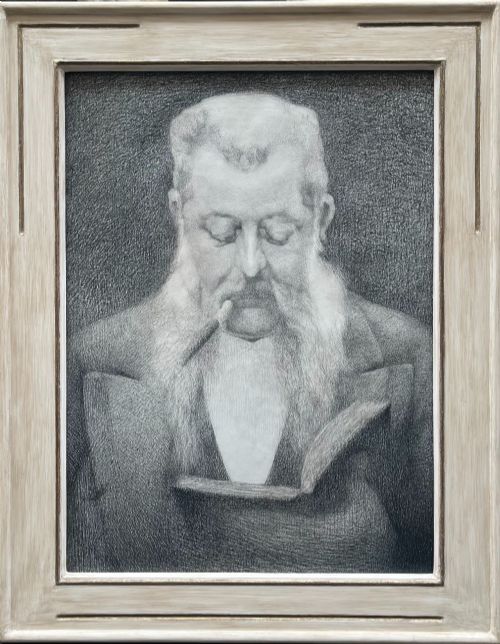
Buyers frequently encounter works ranging from Edwardian gentleman portraits and Symbolist male studies to avant-garde cubist pieces and mid-century female nude life studies. Framed artwork forms a major part of the offerings, often preserved behind glass in period wooden frames.
The style varies considerably, touching upon academic realism, art deco, modern British, symbolist, and cubist approaches. Works often record specific moments or sitters, from Parisian sketches to large-scale gallery studies.
How they were made
Artists utilise charcoal sticks derived from burnt wood to lay down rich, velvety blacks and expressive shadows directly onto paper. Many compositions incorporate supplementary materials such as graphite, red chalk, pastel, or pencil to build subtle layers of tone and detail.
Support materials typically consist of various grades of drawing paper, occasionally enhanced with pastel over lithographic bases. Finished drawings are secured within protective wooden frames, frequently fitted with glass to shield the fragile charcoal media from smudging.
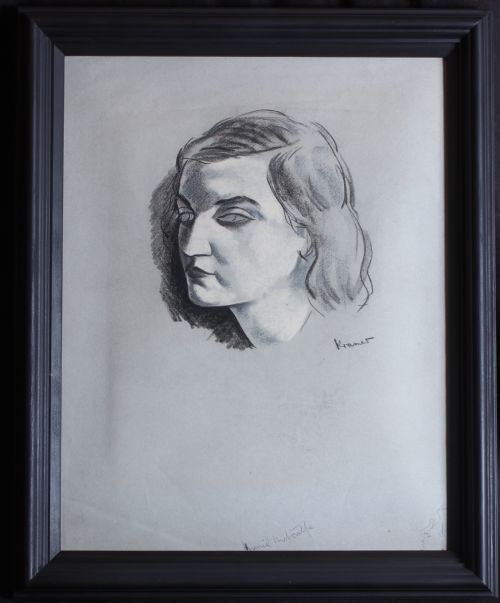
One recorded sitter possessed soul-stirring eyes in Paris during the 1930 art deco period.
What varies in quality
The strength of the draftsmanship dictates the visual impact, separating hesitant student exercises from confident master drawings. Anatomy, gesture, and the command of shadow and light reveal the underlying skill of the hand.
Provenance and documentation elevate specific pieces, particularly when works link to notable exhibitions or carry signatures from recognised artists. The preservation of the paper support and the character of the period framing also influence the overall standing of an individual drawing.
Demetrios Galanis·Frank Dobson·Theobald Chartran·Sonia Lawson·Cecil CP Lawson
The Figurative Charcoal Artwork Glossary
- Charcoal
- A dry drawing medium made from slowly heated wood, prized for its deep black marks and versatile blending qualities. It allows artists to achieve dramatic contrasts between light and dark.
- Life Study
- A drawing executed directly from a live human model, capturing anatomical form and posture. These pieces often serve as preparatory works for larger paintings or sculptures.
- Deux Crayon
- A technique utilising two distinct drawing colours, commonly black charcoal or graphite paired with red chalk or white chalk. This method adds subtle warmth and highlights to monochrome compositions.
- Symbolist
- An artistic movement focusing on metaphorical imagery, psychological depth, and internal emotions rather than strict realism. Works from this tradition often feature moody atmospheres and enigmatic subjects.
- Academic Realism
- A style of painting and drawing produced under the influence of European academies, emphasising precise anatomy and polished technique. Such works demonstrate rigorous adherence to traditional artistic training.
Figurative Charcoal Artwork: Frequently Asked Questions
What is figurative charcoal artwork?
It is an original drawing on paper that focuses on human subjects, created using burnt wood charcoal as the primary medium.
These pieces range from quick life studies to finished exhibition portraits created across the nineteenth and twentieth centuries.
How should I display charcoal art?
Charcoal drawings require framing behind glass to prevent the loose carbon pigment from smudging or absorbing ambient moisture in the room.
Keep them away from direct sunlight to protect the paper support and any supplementary chalk or pastel pigments from fading.
How do I date these drawings?
Dating relies on stylistic clues, artist signatures, framing methods, and any accompanying inscriptions or gallery provenance recorded on the paper.
Academic realism often points to the nineteenth or early twentieth century, whereas cubist and modernist idioms typically align with the interwar decades.
Are these works original?
The selection consists entirely of original hand-drawn or mixed-media works rather than mechanical reproductions or modern prints.
Each piece bears the unique hand of the artist through distinct charcoal strokes, smudges, and paper textures.