
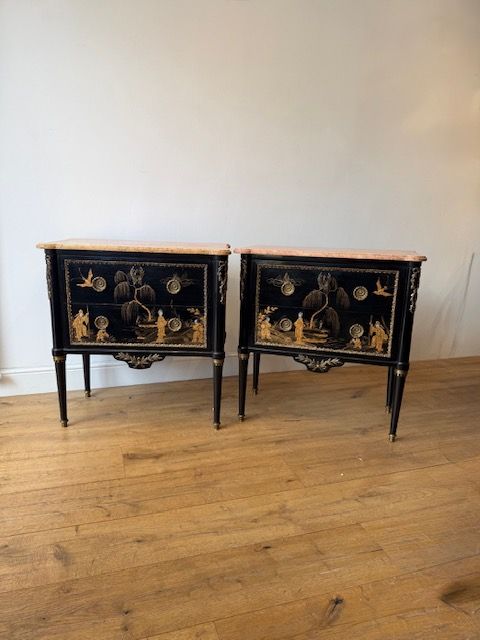


Black Gold Oriental Chest
These black gold oriental chest pieces bring rich lacquer and gilded detail into a room, offering both decorative presence and deep storage.
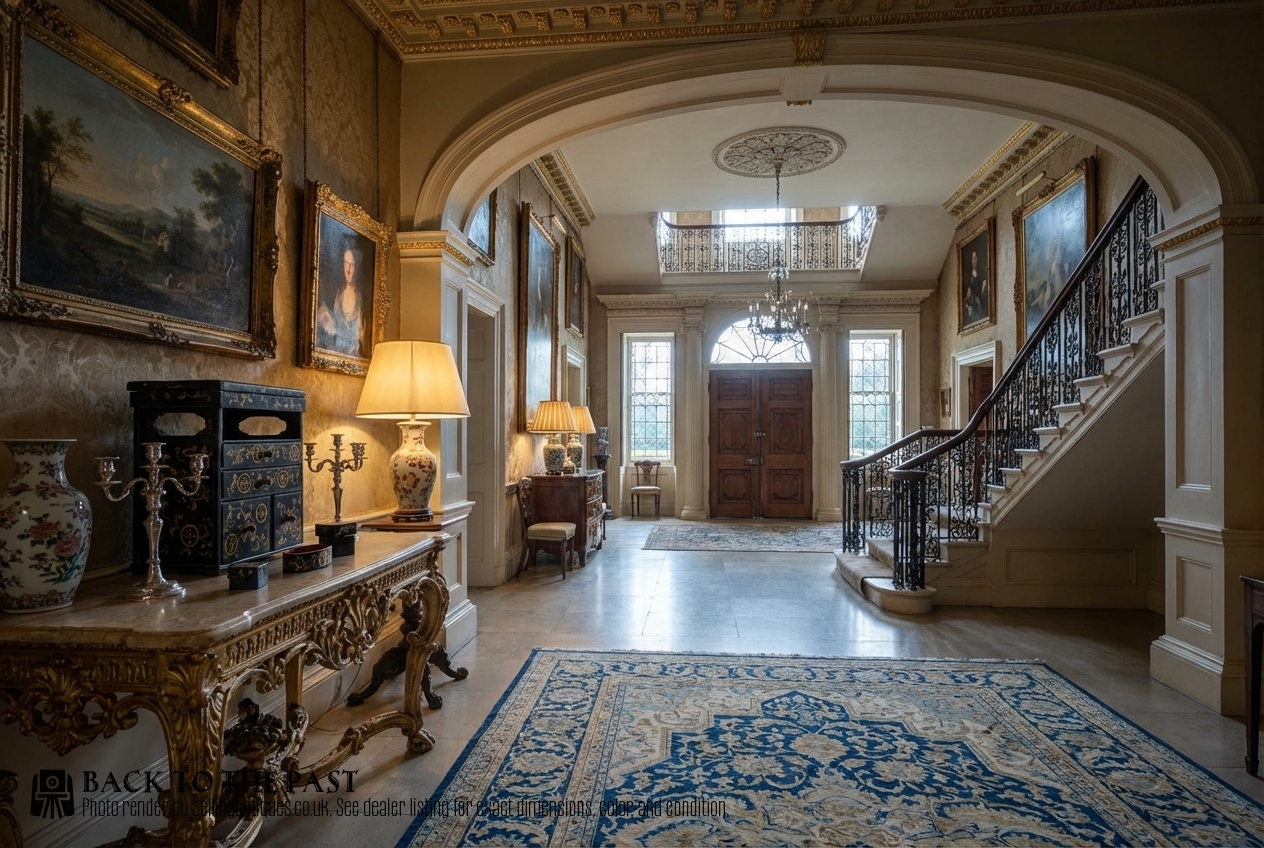
Black Gold Oriental Chest
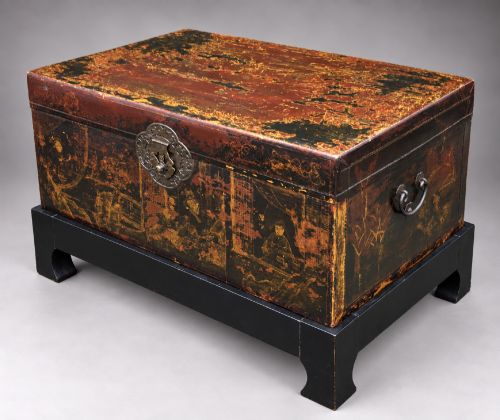
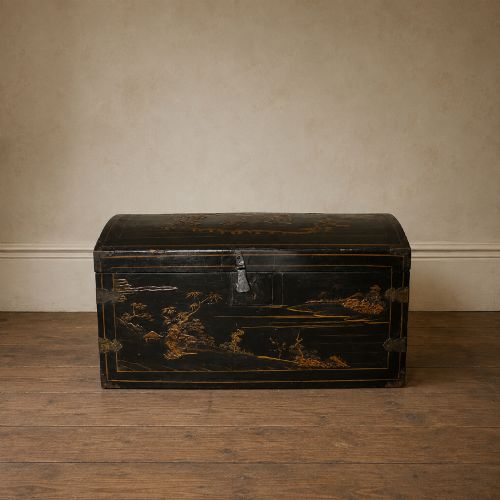
When you search for a black gold oriental chest, you are looking at substantial storage forms including trunks, coffers, and blanket boxes often raised on stands. These pieces span centuries of export and domestic production from Japan, China, and Anglo-Indian workshops.
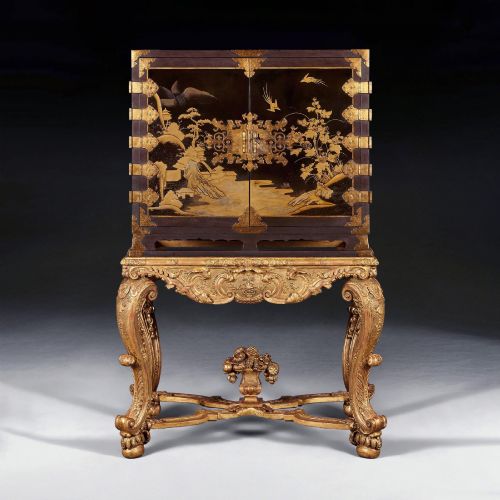
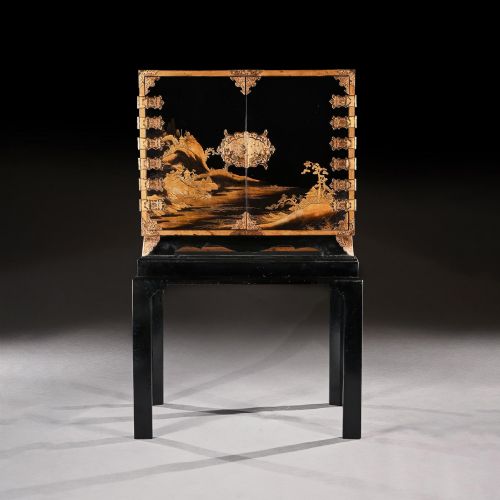
The version you are most likely to meet on this page is a table cabinet or a larger chest on stand dating from the nineteenth or early twentieth century. Many carry Chinoiserie decoration or originate from the Meiji and Edo periods.
Makers adapted traditional forms for Western markets, creating tea caddies, writing boxes, and large commodes with striking dark surfaces. These items combine utility with elaborate narrative scenes rendered in metallic pigments.
How they were made
Artisans built the primary carcase from wood, selecting stable timbers to receive multiple applications of lacquer. This natural resin dries to a hard, glossy black surface that resists moisture and wear.
Workers applied gold leaf and gilt decoration by hand over the dark ground, painting intricate landscapes, figures, and floral motifs. Brass hardware such as hinges, corner mounts, and lock plates secured the structure while adding contrast.
Some nineteenth-century tea caddies hid tiny compartments inside, built purely to guard precious leaves from overly curious house guests.
What varies in quality
The depth of the lacquer finish and the complexity of the gilded brushwork set the standard for these objects. Superior examples show meticulous layering and polishing that create a deep, reflective surface.
The integration of the chest with its stand also dictates the piece's standing, particularly where European giltwood mounts or custom bases are involved. Original stands designed specifically for the cabinet demonstrate greater harmony in proportion and detail.
The Black Gold Oriental Chest Glossary
- Chinoiserie
- European artistic style reflecting Chinese artistic influences, often seen in decorative lacquerwork.
- Urushi
- Natural lacquer sap used in Asian woodworking to create durable, highly polished dark surfaces.
- Kodansu
- Traditional Japanese small cabinet featuring multiple interior drawers and compartments.
- Giltwood
- Wood carved and coated with gold leaf or a gold-coloured finish, frequently used for stands.
- Coffer
- A chest used for storing valuables, typically heavy and reinforced with metal bands or brackets.
Black Gold Oriental Chest: Frequently Asked Questions
How do I clean a lacquer chest?
Dust the surface gently with a soft, dry microfibre cloth to prevent scratching the delicate finish. Avoid using chemical sprays, abrasive cleaners, or excess water on the wood and gilding.
Keep the piece out of direct sunlight to prevent the black lacquer from fading or cracking over time. Maintaining a stable indoor humidity helps protect both the wooden carcase and the metallic decoration.
What is a kodansu cabinet?
A kodansu is a small Japanese table cabinet fitted with internal drawers designed for storing documents, seals, or personal items. These portable pieces display fine lacquerwork and detailed metal fittings on a miniature scale.
Craftsmen often decorated them with scenes of nature or daily life using gold and silver dust applied to the wet lacquer ground.
How do I date a lacquer cabinet?
Examine the construction methods of the interior drawers, backboards, and secondary timbers to identify the period. Machine-cut screws or modern adhesives point to later twentieth-century production, while hand-cut dovetails and traditional joinery suggest older origins.
The style of the hardware and the specific rendering of the Chinoiserie or Meiji motifs also provide clear clues to the decade of manufacture.
Where should I place a chest on stand?
Position the piece against a sturdy interior wall where its dark finish and gold highlights catch ambient light without direct sun exposure. Ensure the floor is level so the combined weight of the heavy chest and its stand rests evenly on the legs.
Allow enough clearance around the cabinet doors or lid to open them fully without striking surrounding furniture.