

Black Gilt Framed Print
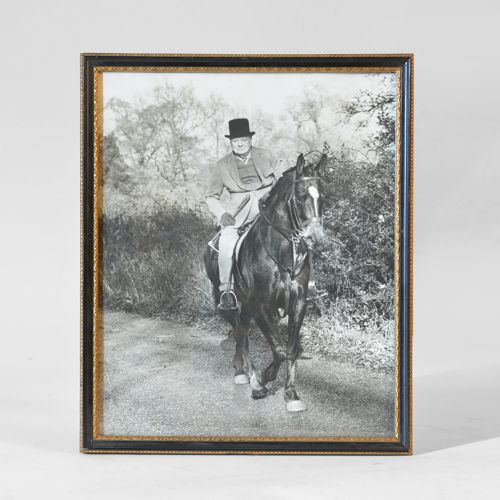
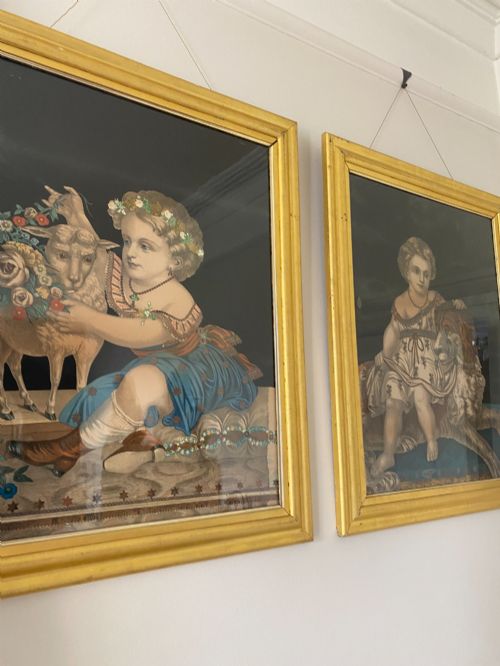
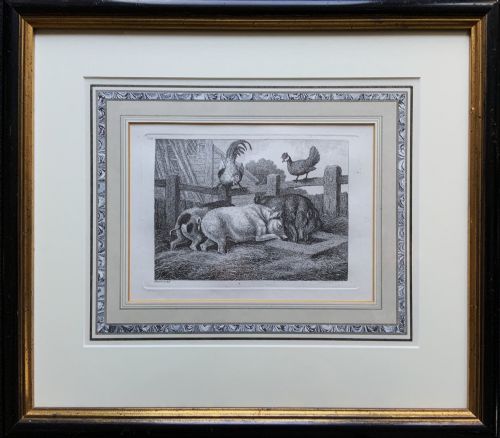
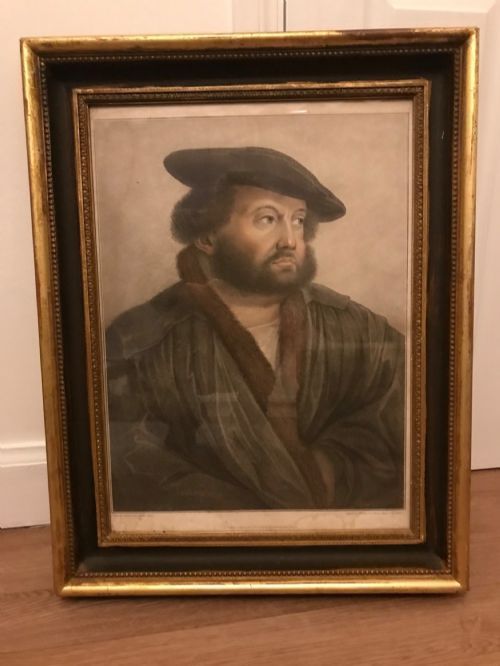
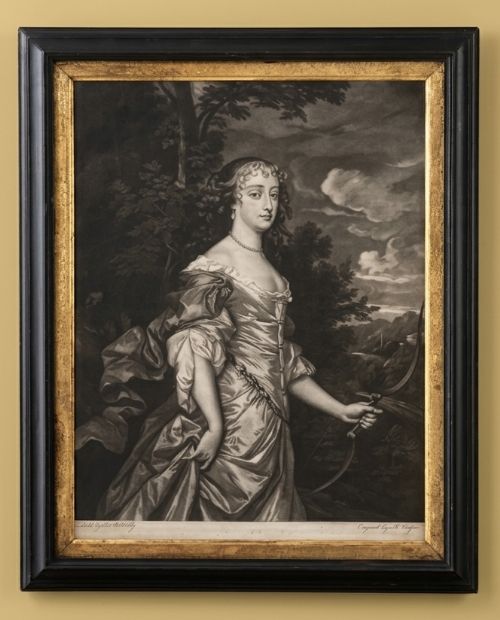
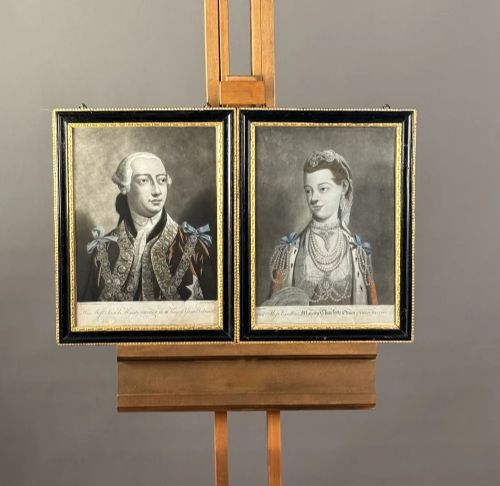
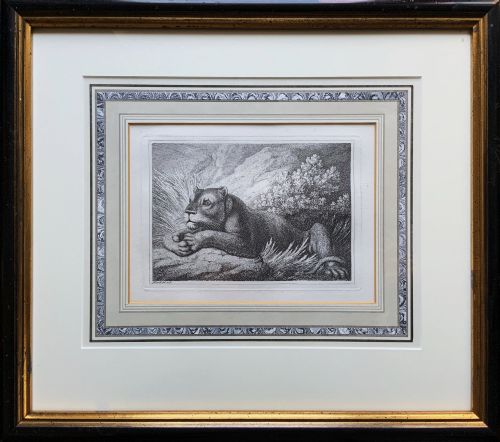
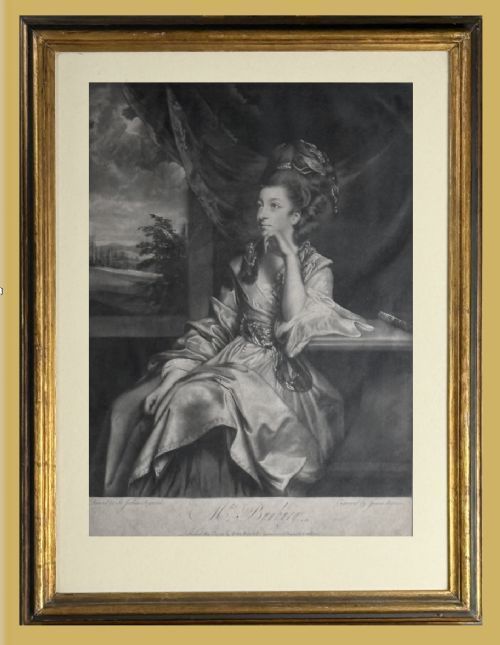
When you search for a black gilt framed print, you encounter historic engravings, mezzotints, and maps enclosed in dark and gilded moulding that elevate any wall.
Black Gilt Framed Print
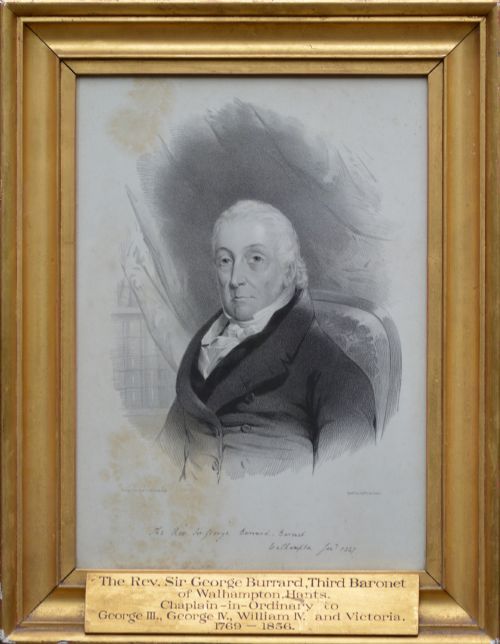
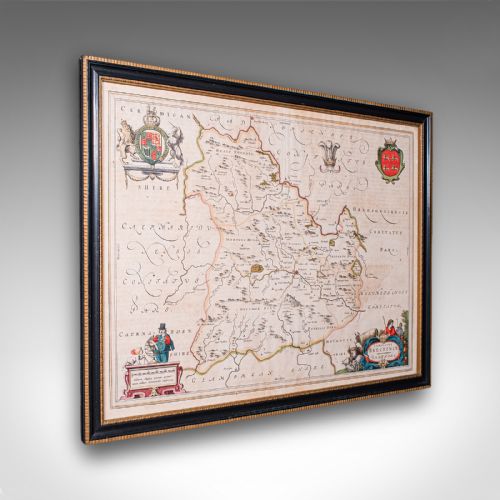
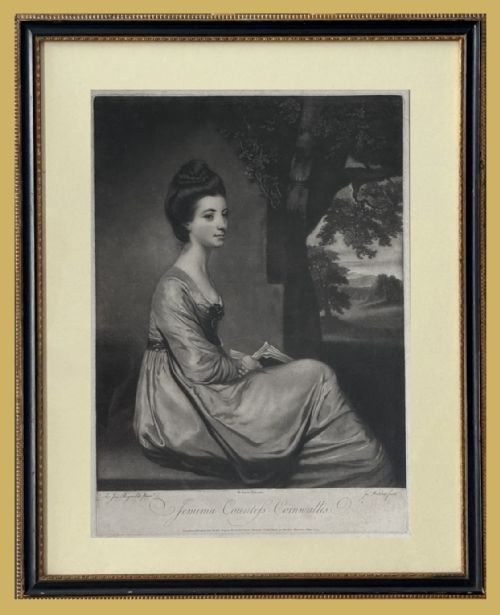
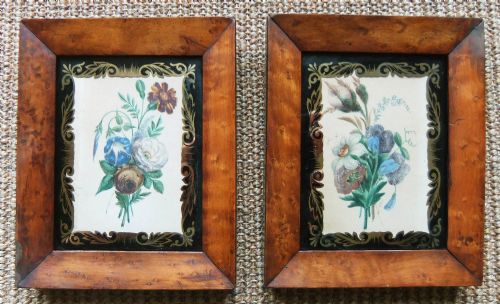
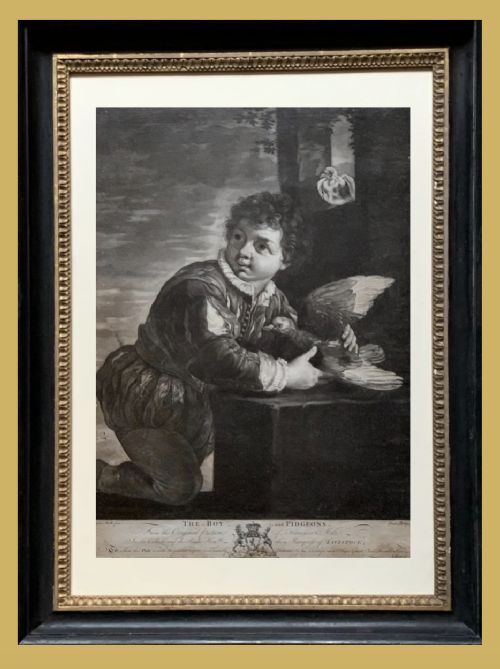
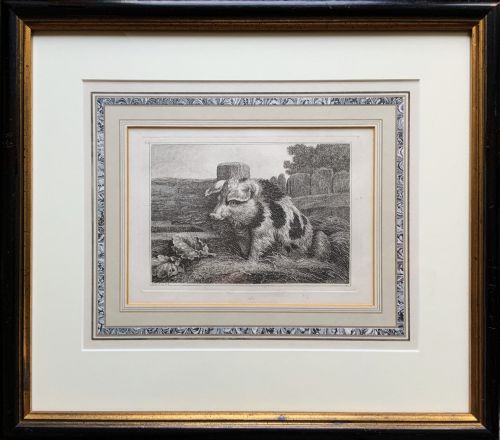
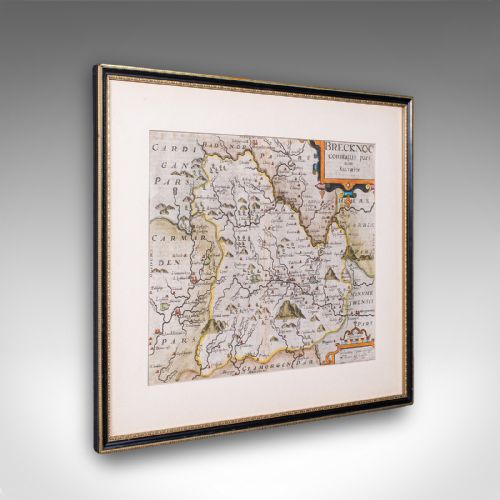
A black gilt framed print encompasses centuries of paper ephemera, from eighteenth-century mezzotint portraits and Regency hand-coloured engravings to seventeenth-century cartography. These works capture classical subjects, historical figures, and natural histories within protective glazed enclosures. Buyers seek these pieces to anchor traditional interiors with authentic period graphics and dark contrasting borders.
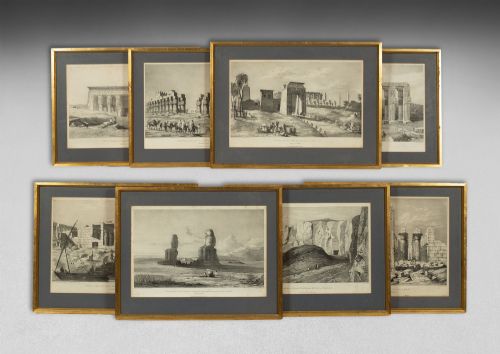
The selections on this page draw heavily from Georgian, Regency, and Victorian aesthetics, often pairing ink on paper with contrasting dark wooden mouldings touched with metallic leaf. You will encounter individual plates by notable printmakers alongside matched pairs and series depicting topographical maps or theatrical scenes. Each object merges the graphic arts of its era with framing techniques designed to set off the printed surface.
Materials and Techniques
Printmakers of the seventeenth through nineteenth centuries utilised copper plates for intaglio printing, producing fine engravings and rich mezzotints using ink on laid or wove paper. These monochrome or hand-coloured sheets rely on meticulous pressure and skilled plate-wiping to achieve tonal depth and sharp line work.
The associated frames combine timber elements, such as pine or rosewood, treated with dark finishes and accented with genuine gold leaf or gilt wood compositions. Glass protects the delicate paper substrate from atmospheric moisture and surface dust while maintaining visual clarity.
Black Gilt Framed Print Retail Price Guide 2026
Typical asking prices for black gilt framed print among the pieces listed under this phrase on Sellingantiques today, from the lower quarter to the upper quarter. They describe what is for sale here now, not the wider market.
Listings feature paper, glass, wood, and gold leaf spanning the seventeenth, eighteenth, and nineteenth centuries.
Assessing Quality and Execution
Superior examples display crisp plate marks, strong contrast in the ink without excessive fading, and careful registration during hand-colouring. The depth of the impression reveals the skill of the printmaker and the condition of the copper plate before it wore down.
Framing execution similarly dictates the calibre of the piece, with period mouldings retaining their original gilding and secure corner joins rather than later replacements. The integrity of the paper, minimal foxing, and the presence of historic glass further distinguish museum-grade examples from ordinary decorative items.
John Boydell·James Watson·Francesco Bartolozzi·Valentine Green·John Faber Snr·William Hogarth·W Roffe·Adolphe Pannemaker·Johannes Janssonius·Robert Morden
The Black Gilt Framed Print Glossary
- Mezzotint
- A printmaking process where the copper plate is roughened uniformly to produce rich dark tones and subtle gradations of light. This technique gained immense popularity in the eighteenth century for translating oil paintings into velvety monochrome portraits.
- Engraving
- A method of cutting design lines directly into a metal plate with a sharp tool called a burin. The resulting incisions hold ink under pressure to create precise, durable lines on paper.
- Stipple engraving
- A technique utilising dots of varying density and size to simulate painterly textures and skin tones. It was widely utilised during the late eighteenth century for classical and portrait subjects.
- Giltwood
- Timber carved and surfaced with thin layers of gold leaf or metal powder. It provides the warm metallic contrast characteristic of period frames.
- Plate mark
- The indentation left on paper by the edge of a metal printing plate under heavy press pressure. Its presence confirms an authentic intaglio print.
Black Gilt Framed Print: Frequently Asked Questions
How do I care for antique paper prints?
Keep framed pieces away from direct sunlight to prevent the ink and paper from fading over time. Maintain a stable indoor environment with low humidity to protect the fragile organic materials.
Ensure the hanging wire and wall fixings remain secure, as historic timber frames can carry substantial weight due to their glass and dense wood construction.
Are these prints original to their frames?
Many period prints retain their original or contemporary framing, which often shows characteristic ageing consistent with the date of the artwork. Examining the backboards, fixings, and joinery helps determine if the pairing is historic.
Matching a print with a period-appropriate frame remains a long-standing tradition in historic interiors, enhancing the visual impact of the work.
What is the difference between an engraving and a mezzotint?
An engraving relies on precise lines cut directly into copper or steel plates with a burin, producing sharp and detailed contours. It suits architectural subjects, maps, and precise illustrative work.
A mezzotint builds an image from dark to light by roughening the metal plate to hold ink, creating soft velvety shadows and tonal gradients that excel at portraiture.
How can I tell an eighteenth-century print from a later reproduction?
Original historic prints exhibit platemarks in the paper, characteristic ink saturation, and paper stocks appropriate to the period such as laid paper with watermarks. Close inspection under magnification reveals the distinct impression of metal pressing into fibres rather than dot matrix or modern lithographic patterns.
The backing materials, old framing nails, and handwritten annotations often provide additional clues regarding the age of the item.