

Black Framed Picture
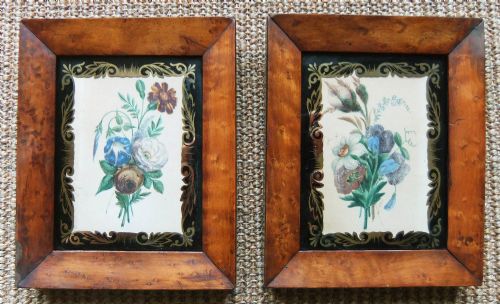
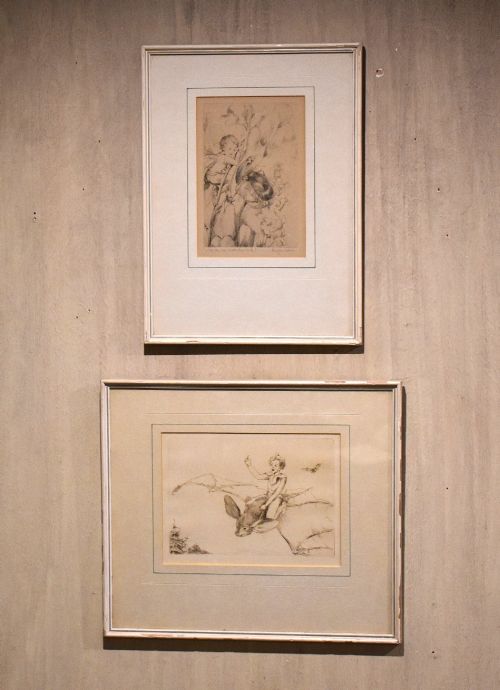
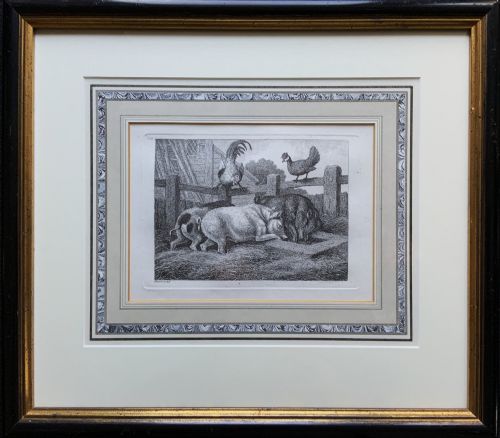
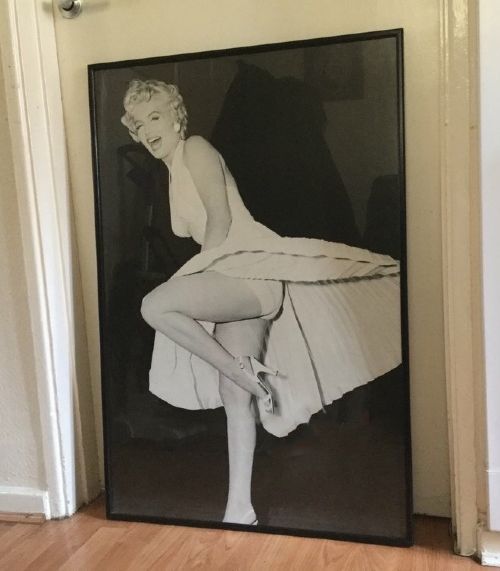
When you search for a black framed picture, you find centuries of framed prints, silhouettes, and oil paintings held in dark timber or ebonised surrounds.
Black Framed Picture
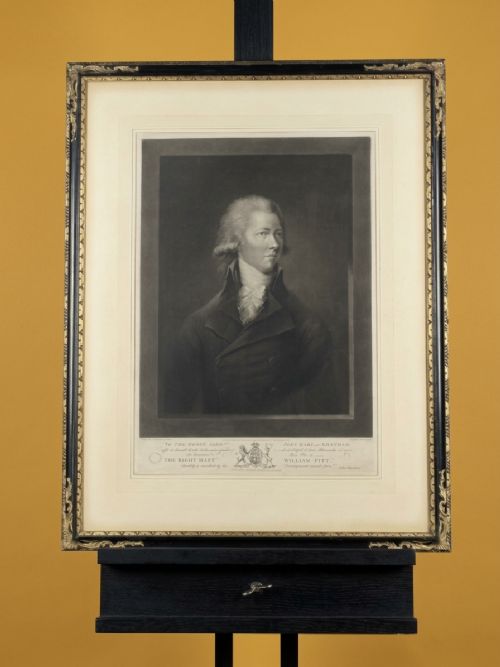
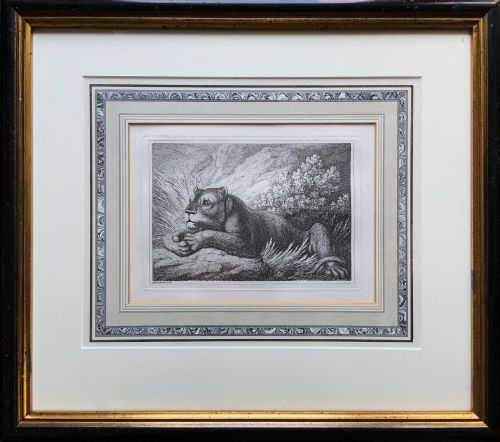
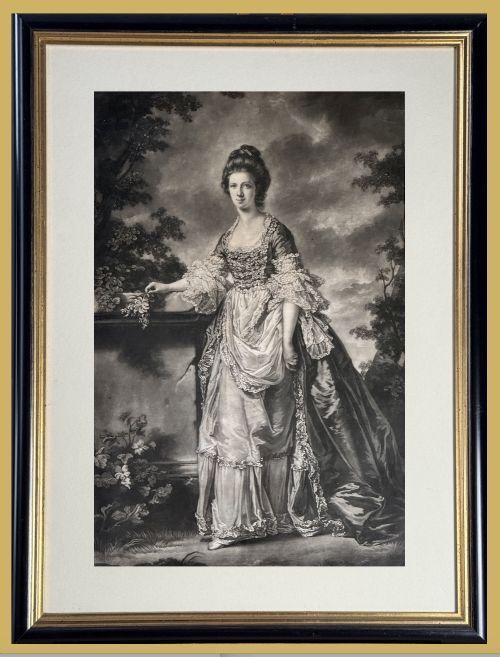
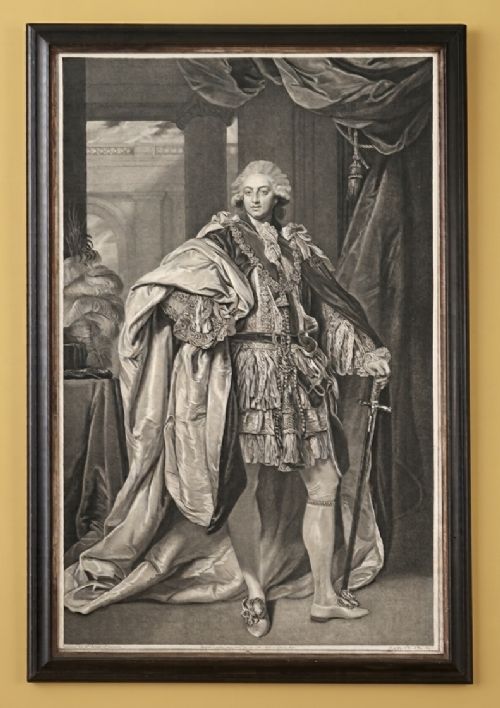
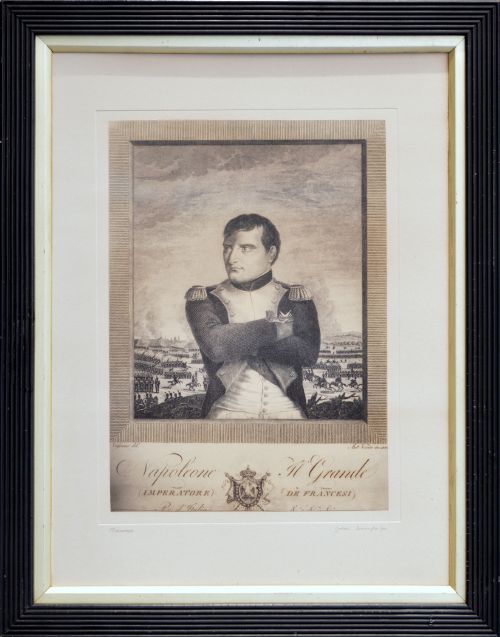
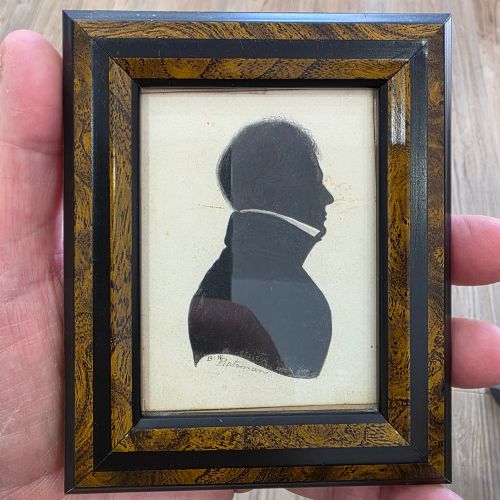
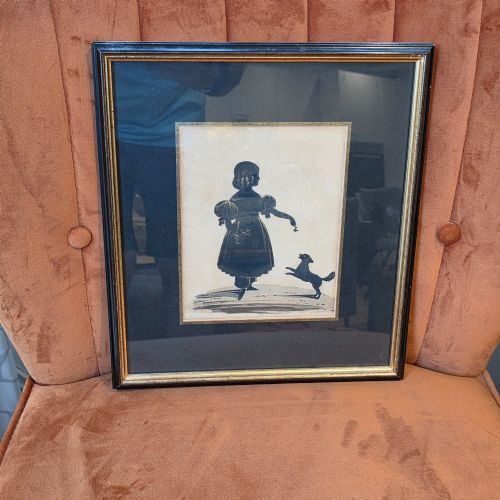
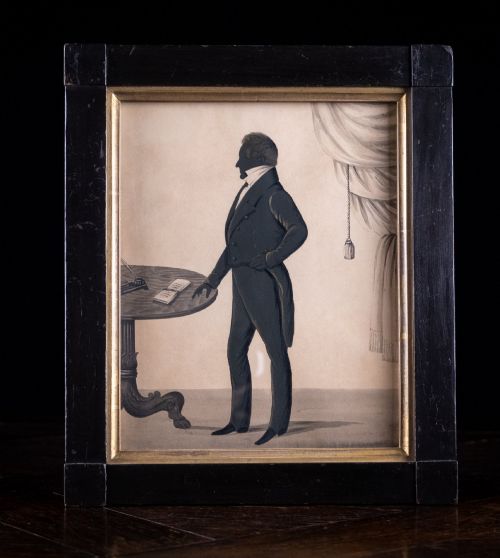
A black framed picture encompasses a diverse group of wall art and framed prints spanning from the eighteenth century into the mid-twentieth century. The selection on this page leans heavily toward eighteenth and nineteenth-century engravings, mezzotints, and silhouettes.
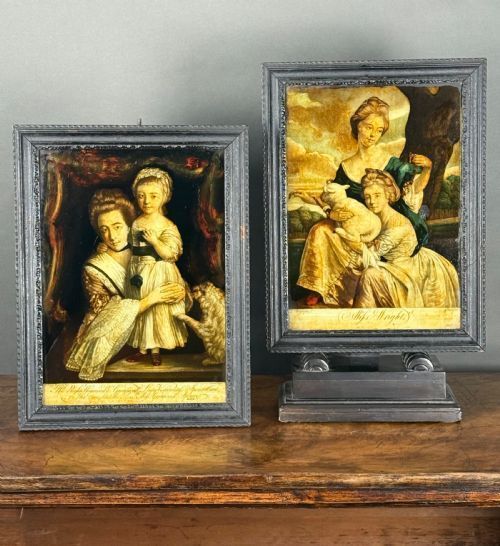
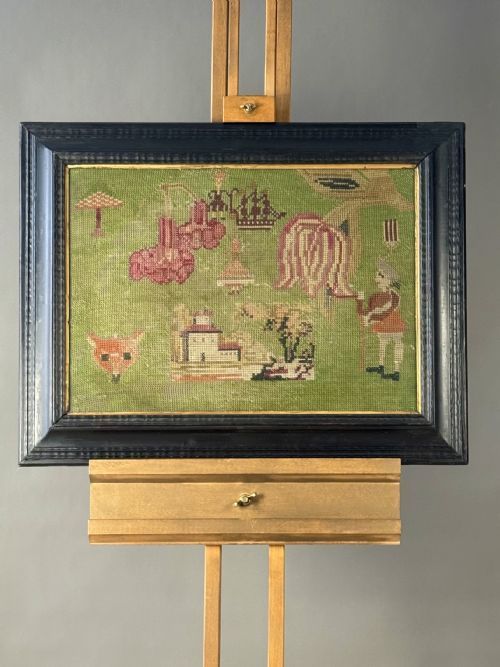
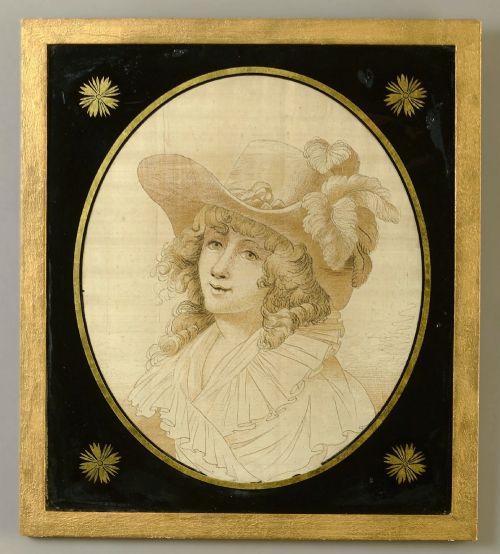
Forms range from reverse glass prints and delicate watercolours to etchings, photographs, and textile artworks. These pieces often arrive in their original mouldings, including dark hogarth frames or polished ebonised wood.
Origins stretch across British, French, and Italian workshops, capturing portraits, landscapes, classical scenes, and domestic animal studies. The dark framing provides a strong visual boundary that draws the eye directly into the paper, glass, or canvas within.
How they were made
Makers utilised traditional framing techniques, pairing natural wood such as ebonised timber or rosewood with protective glass panels. Many early works employ gold leaf highlights or giltwood slips inside the dark outer edge to add depth.
The artwork itself relies on enduring mediums including ink, watercolour, pastel, and oil paint on paper, canvas, or card. Mezzotints and engravings required meticulous plate-printing craftsmanship, while silhouettes combined precision paper-cutting with ink and watercolour details.
Several dogs gaze out from these walls, including a trio of black Pekingese immortalised in pastel.
What varies in quality
Quality rests in the harmony between the artwork and its mounting, particularly where original frames remain intact. Hand-coloured details on engravings and the crispness of a cut-paper silhouette distinguish finer studio output from standard commercial print runs.
The preservation of the glass, paper, or silk surface dictates the overall grade of the piece. Subtle gradations in ink impression strength and the depth of the ebonised finish set superior examples apart.
William James Hubard·Augustin Edouart·Étienne Baudet·Herbert Dicksee·Julian Mandel·Joan Gillchrest·Edwin Lord Weeks·Thomas G Appleton
The Black Framed Picture Glossary
- Mezzotint
- A printmaking process of the intaglio family where the artist works from dark to light by roughening the copper plate. This technique produces rich tonal gradations and deep shadows well suited to portraiture.
- Ebonised
- Wood treated to mimic genuine ebony by applying a dark stain or black lacquer. It provides a dense, uniform matte or polished black surface common on nineteenth-century frames.
- Silhouette
- A portrait profile filled in with a solid dark colour, usually cut from black paper or painted on card. These profiles gained popularity in the eighteenth and nineteenth centuries before the widespread adoption of photography.
- Reverse glass print
- An image painted or transferred directly onto the underside of a glass pane and viewed from the front. This method creates a glossy, luminous surface finish.
- Hogarth frame
- A distinctive narrow wooden picture frame with a convex profile, typically finished in black lacquer or dark tortoiseshell effect. It gained popularity during the eighteenth century for framing prints and maps.
Black Framed Picture: Frequently Asked Questions
How do I date a black framed picture?
Dating relies heavily on examining the framing materials, backing boards, and the physical characteristics of the paper or canvas. Eighteenth-century examples often feature hand-laid paper and specific engraving techniques, while nineteenth-century pieces incorporate different moulding profiles and mounting styles.
The style of the artwork itself, whether a Regency silhouette or a Victorian photograph, offers further clues. Comparing the construction methods of the frame to known period standards helps narrow the timeline.
Are original frames important?
Original frames contribute significantly to the historical integrity of a piece. A period hogarth or ebonised frame shows how the artwork was intended to be displayed by contemporary makers.
Retaining the original housing preserves the character of the object. While replacements occur over time, matching a piece with its period-appropriate surround maintains its visual context.
How should I hang these pictures?
These works require secure wall fixings suited to the weight of solid wood and glass. Placing them away from direct sunlight protects vulnerable mediums like watercolours, silk embroidery, and paper from fading.
Maintaining stable indoor humidity levels prevents the wood framing from warping and protects organic materials inside. Simple picture wire or appropriate D-rings attached to the frame back ensure stable hanging.
What is a reverse glass print?
A reverse glass print involves applying an image directly to the rear side of a glass sheet. Viewers look through the glass to see the finished composition, which gives the surface a distinct reflective sheen.
This technique appeared frequently on eighteenth and nineteenth-century decorative prints and patriotic subjects. The glass acts as both the protective glazing and the literal canvas for the ink or paint.