





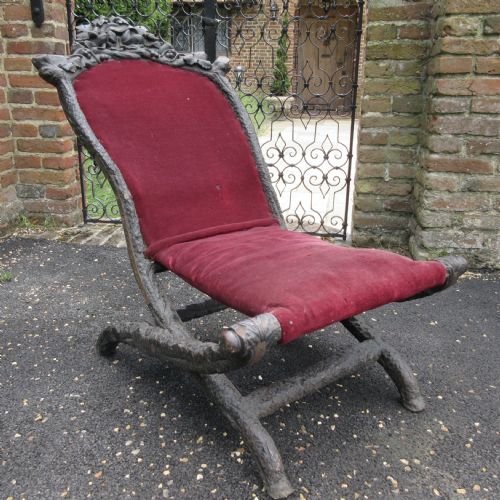

Black Forest Furniture Seat
These black forest furniture seat pieces bring nineteenth-century Alpine carving and bear motifs into a room to create a distinct focal point.
Black Forest Furniture Seat
When buyers search for a black forest furniture seat, they encounter nineteenth-century items created in the European mountain regions. These pieces combine heavy utility with naturalistic animal carvings, particularly bears and stags, originating from the Victorian hunting lodge tradition.
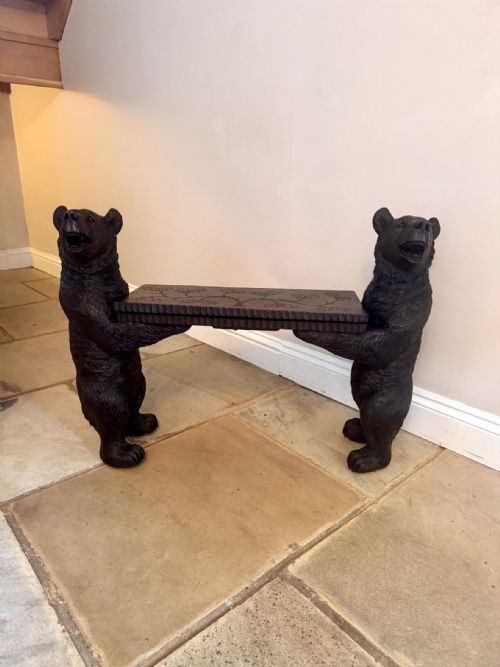
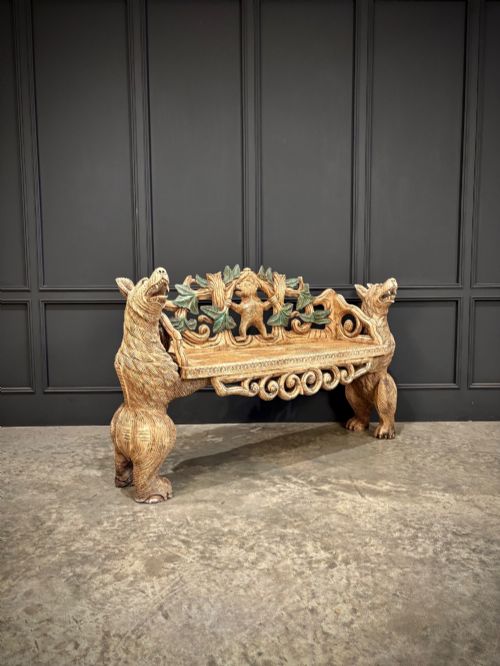
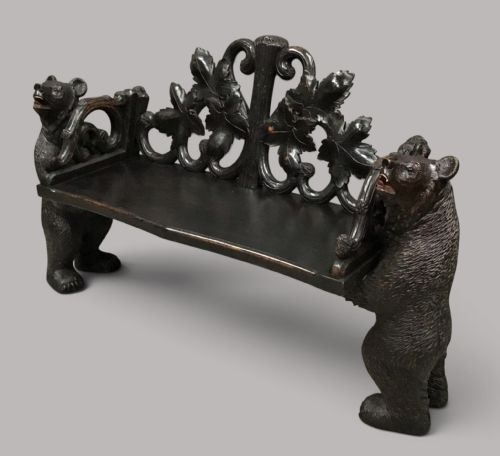
The items on this page span several forms including hall benches, armchairs, parlour suites, and folding chairs. The bear hall seat is the version most frequently met, often incorporating structural elements shaped like animals into the wooden frame.
Originating largely from the nineteenth century with dates such as eighteen-sixty, eighteen-seventy, eighteen-eighty, and nineteen-twenty appearing, these works draw on Alpine folk art and Black Forest design. They function as both practical seating and sculptural woodcarving.
Materials and construction methods
Carpenters and carvers utilised linden wood, oak, walnut, and general hardwood to build the structural foundations of these seats. These timbers allowed artisans to execute deep, three-dimensional reliefs and naturalistic figures.
Certain pieces incorporate antler alongside carved wood, particularly in armchairs reflecting the Victorian hunting lodge style. Upholstery materials such as velvet appear on parlour suites to complement the exposed timber frames.
Black Forest Furniture Seat Retail Price Guide 2026
Typical asking prices for black forest furniture seat among the pieces listed under this phrase on Sellingantiques today, from the lower quarter to the upper quarter. They describe what is for sale here now, not the wider market.
Some nineteenth-century bears held the dual responsibility of supporting your weight and playing a tune.
Judging the quality of carved seating
The depth and naturalism of the carving separate standard examples from finer items. Skilled carvers rendered fur, muscle structure, and facial expressions with anatomical precision rather than rigid symmetry.
The complexity of the form dictates distinction, with multi-seat benches, musical mechanisms, or folding constructions requiring advanced carpentry. The integration of the animal motif into the structural load-bearing parts of the chair also influences the piece.
The Black Forest Furniture Seat Glossary
- Alpine Folk Art
- Regional decorative carving tradition rooted in mountain communities. This style emphasises local fauna and flora translated into everyday domestic objects.
- Linden Wood
- A soft hardwood favored by nineteenth-century carvers. Its fine grain permits intricate detailing without splintering during deep relief work.
- Black Forest
- A nineteenth-century designation for carved wooden goods originating from central European wooded regions. The aesthetic relies heavily on bears, dogs, and stags.
- Parlour Suite
- A matched set of seating furniture designed for formal reception rooms. These groupings often share identical carved motifs across multiple chairs and settees.
- Stags Antler
- Natural horn material utilised in the construction of specialised Victorian seating. It provides both structural support and decorative rustic texture.
Black Forest Furniture Seat: Frequently Asked Questions
What is a Black Forest hall seat?
A hall seat is a wooden bench or chair designed for an entrance hallway, frequently featuring a high carved backrest. In this tradition, the woodwork typically incorporates bears or foliage.
These items provided a sturdy place to sit while removing boots or outerwear in nineteenth-century homes.
How do I date a carved wooden bench?
Dating relies on recorded styles, construction marks, and material choices from specific decades like eighteen-sixty or nineteen-twenty. Victorian hunting lodge influences point toward the mid-to-late nineteenth century.
Examining the wear on the wood and the type of hardware used helps confirm the production period.
Are these seats comfortable to use?
Most pieces prioritise decorative carving and solid wood construction over ergonomic padding. Some variants include upholstered velvet seats for added softness.
They function best as occasional seating or statement items in a hallway or parlour.
What wood was used for these chairs?
Carvers utilised linden wood, oak, walnut, and general hardwood to shape the intricate animal figures and frames. Linden wood was especially common due to its cooperative grain.
Certain specialised pieces also integrated natural antler into the framework.