







Victorian Black Forest Seat
A victorian black forest seat brings the dramatic, carved wildlife of Alpine folklore directly into the nineteenth-century parlour.
Victorian Black Forest Seat
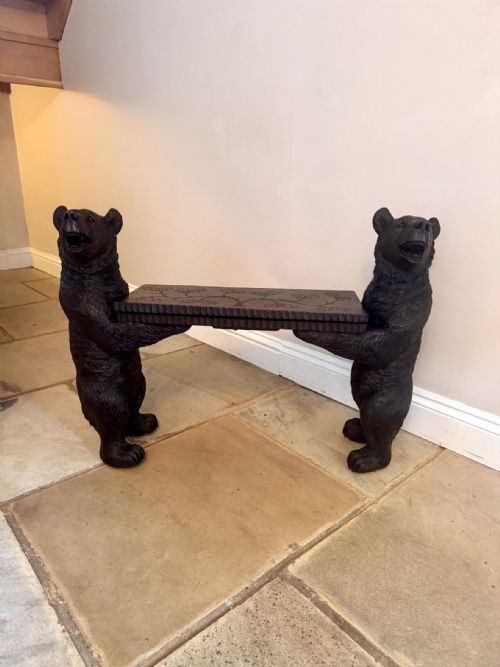
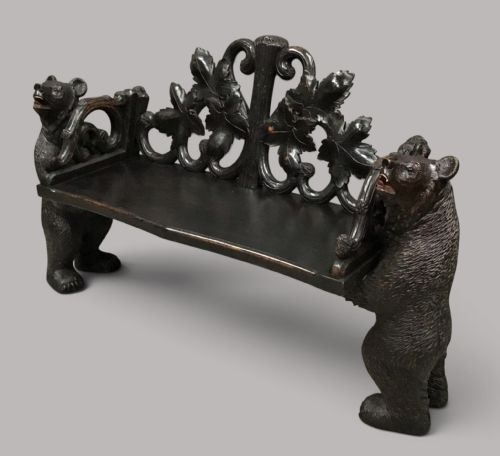
When you search for a victorian black forest seat, you encounter robust seating forms designed within the nineteenth century, ranging from benches and armchairs to folding chairs and hall seats. These pieces channel Alpine folk art and Victorian hunting lodge aesthetics through deeply carved wooden animal figures and naturalistic motifs.
You are most likely to meet armchairs, benches, and hall seats featuring carved bears, hounds, or stags, alongside musical chairs and parlour suites. Dating predominantly from the Victorian period, these items bridge functional furniture with whimsical or formidable animal sculpture.
The objects stem from Swiss and broader European carving traditions that flourished during the 1800s, utilising the rich forestry and wildlife imagery of the mountains. Each piece serves as both a functional resting place and a striking focal point for a room.
Materials and construction
Carvers shaped these seats from solid woods including oak, walnut, lindenwood, and general hardwood, exploiting the grain to give muscle and fur texture to the animals. Skilled artisans employed hand-carving techniques to render bears, hounds, and stags in high relief across frames, arms, and backrests.
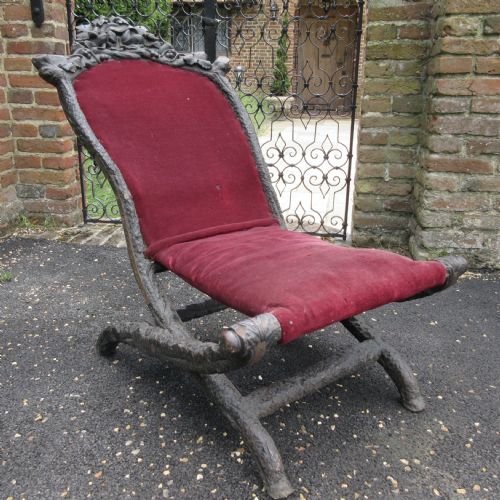
Constructive elements integrate natural materials like stags antler alongside carved timber, while seating surfaces frequently incorporate upholstered velvet pads. Specialised mechanisms appear in musical examples, where integrated music boxes play tunes as someone sits or operates the furniture.
Victorian Black Forest Seat Retail Price Guide 2026
Typical asking prices for victorian black forest seat among the pieces listed under this phrase on Sellingantiques today, from the lower quarter to the upper quarter. They describe what is for sale here now, not the wider market.
Listings for this phrase span the nineteenth century from 1850 through to 1920, predominantly featuring oak, walnut, and carved lindenwood.
Judging quality and execution
The distinction between standard and superior pieces lies in the anatomical precision and depth of the carving. Master carvers rendered fur, claws, and facial expressions with lifelike energy, whereas lesser examples rely on stiff, simplified forms.
Complexity of construction also dictates the grade, seen in multi-piece parlour suites, clever folding mechanisms, or integrated musical movements. The choice of timber and the preservation of intricate marquetry inlay further elevate the standing of a piece.
The Victorian Black Forest Seat Glossary
- Black Forest
- A style of wood carving originating from the mountain region of Central Europe, famous for realistically rendered animals and foliage. It gained immense popularity in Britain during the Victorian era.
- Alpine Folk Art
- Decorative objects and furniture created by traditional artisans in European mountainous regions. These items emphasise hand-carved natural subjects and local cultural motifs.
- Marquetry
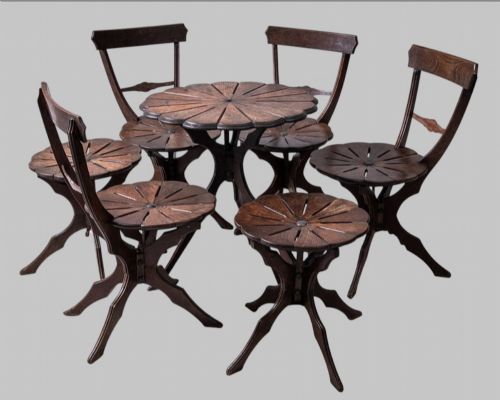
- The art and craft of applying pieces of veneer to a structure to form decorative designs. In these seats, intricate wood patterns adorn table surfaces and chair backs.
- Hall Seat
- A sturdy wooden bench or chair placed in an entrance hallway for putting on boots or waiting. Victorian examples often incorporated storage or dramatic animal carvings to impress visitors.
- Prayer Chair
- A specialised devotional seat featuring a low kneeling platform and a padded upper rest. Nineteenth-century versions occasionally adopted carved religious or rustic motifs.
Victorian Black Forest Seat: Frequently Asked Questions
What is a Black Forest seat?
A Black Forest seat is a nineteenth-century wooden chair, bench, or parlour suite heavily carved with animals such as bears, hounds, and stags. These items originated in Alpine regions and were collected in Britain during the Victorian era.
They combine robust carpentry with detailed wildlife sculpture, functioning simultaneously as heavy furniture and sculptural art.
How were these chairs used?
These pieces served practical seating functions in entrance halls, parlours, and drawing rooms of Victorian homes. Many were designed for specific tasks, such as putting on footwear on a hall bench or resting during prayer.
Others incorporated musical movements to entertain guests when occupied, blending utility with parlor amusement.
What woods were used?
Carvers utilised local hardwoods including oak, walnut, and lindenwood to achieve deep, durable relief sculptures. The grain of the timber was often left natural or stained to highlight the musculature and fur of the carved animals.
Some pieces also incorporated unconventional materials like stags antler and velvet upholstery for texture and contrast.
How do I date a piece?
Dating relies on stylistic markers from the nineteenth century, including the specific carving depth, mechanical components in musical chairs, and the presence of Victorian upholstery materials. Most recorded pieces date between the 1850s and the early 1900s.
Examining the construction methods of the underlying wood frame also helps establish the era of manufacture.