


Black Forest Carvings
These black forest carvings bring the dense woods of Switzerland and Victorian parlours right onto your shelf with remarkably expressive animals.
What black forest carvings are
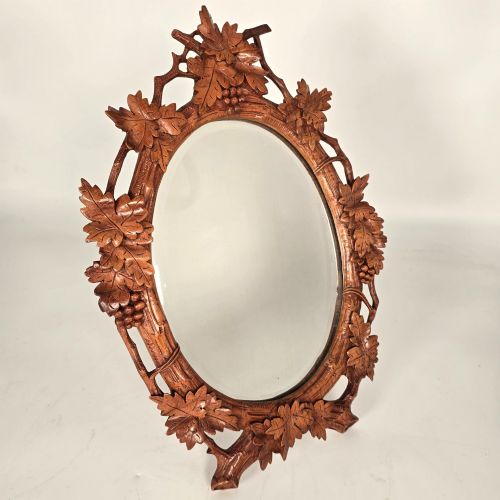
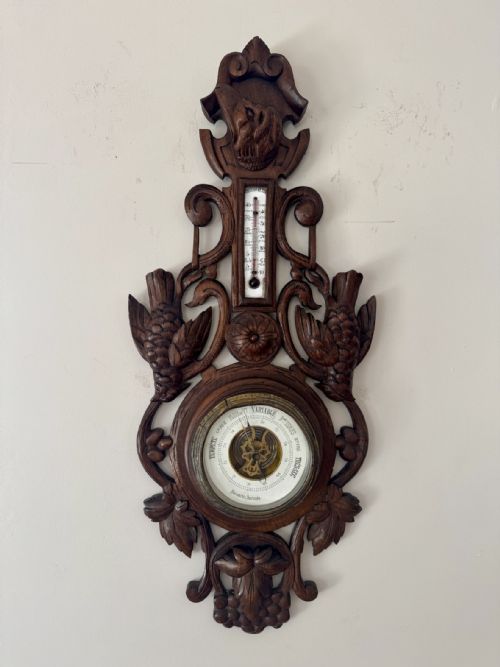
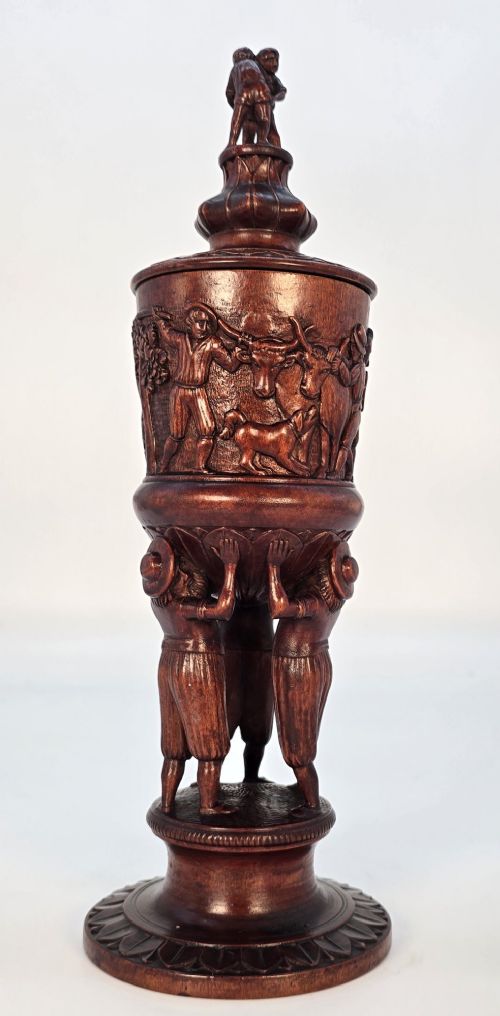
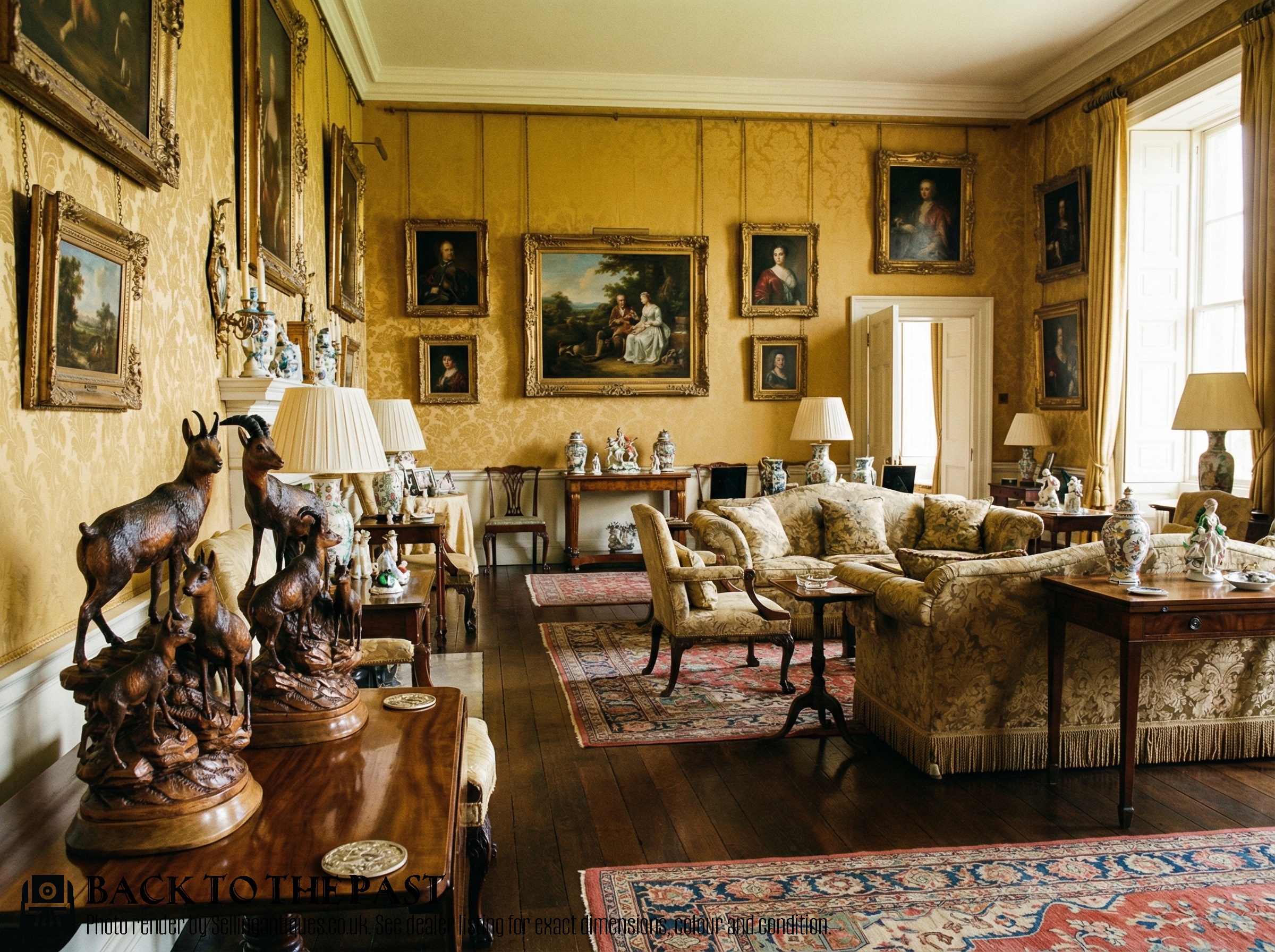
When you search for black forest carvings, you are looking at tactile wooden sculptures and functional household objects shaped in the distinct Swiss folk art tradition. The pieces appearing here span from the 1870s through the 1920s, capturing a period when European woodcarving reached a high point of whimsical naturalism.
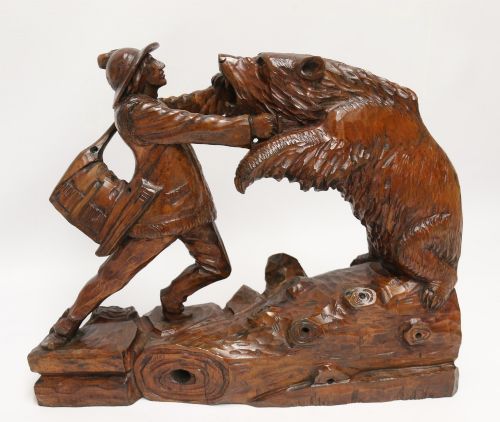
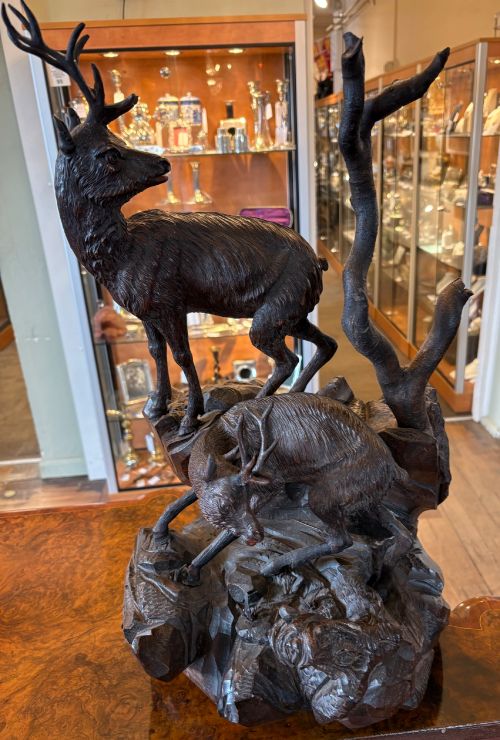
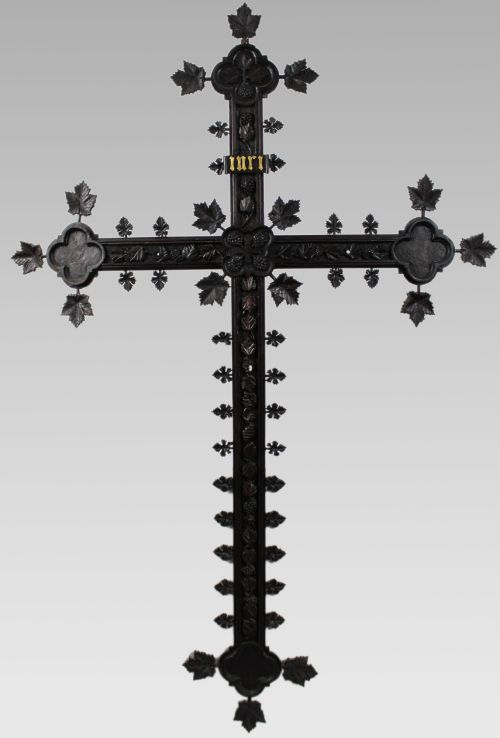
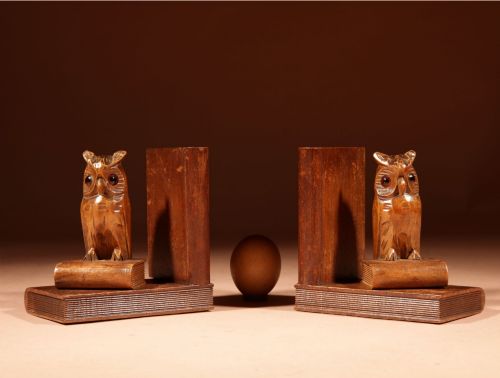
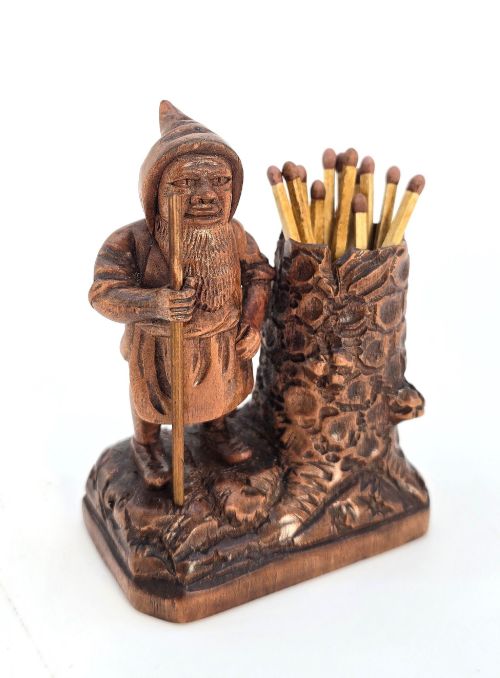
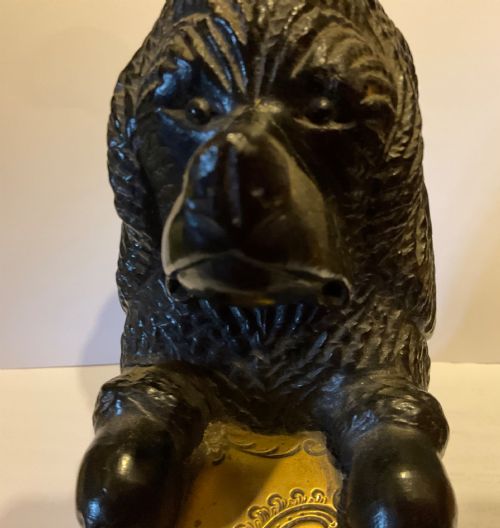
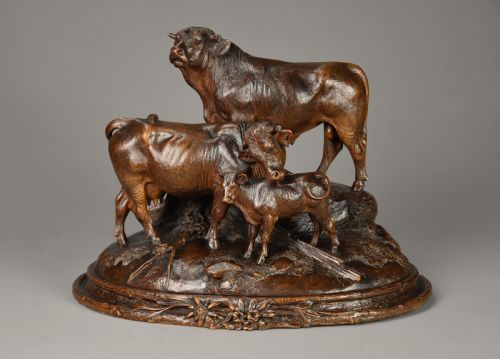
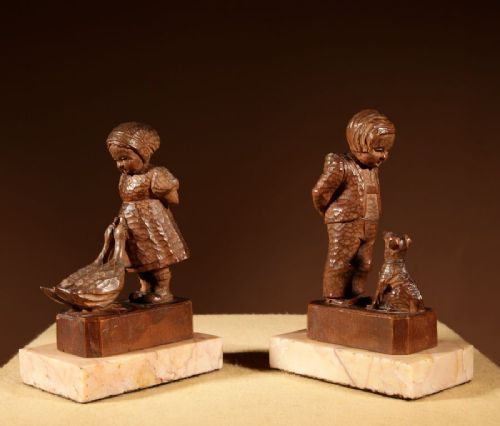
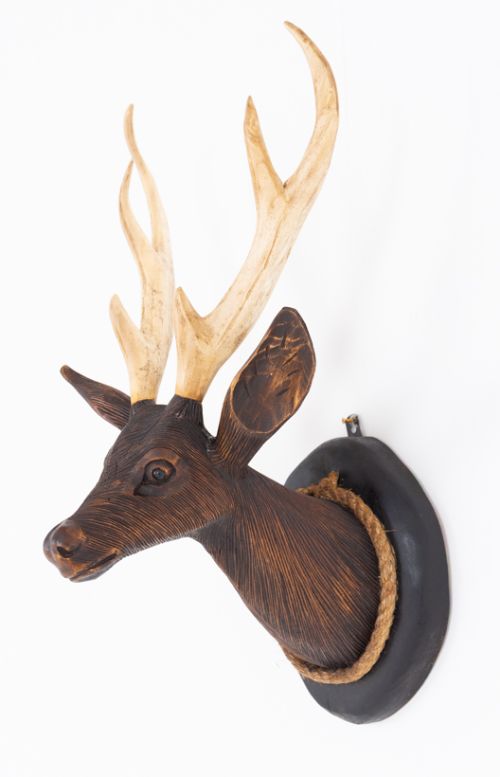
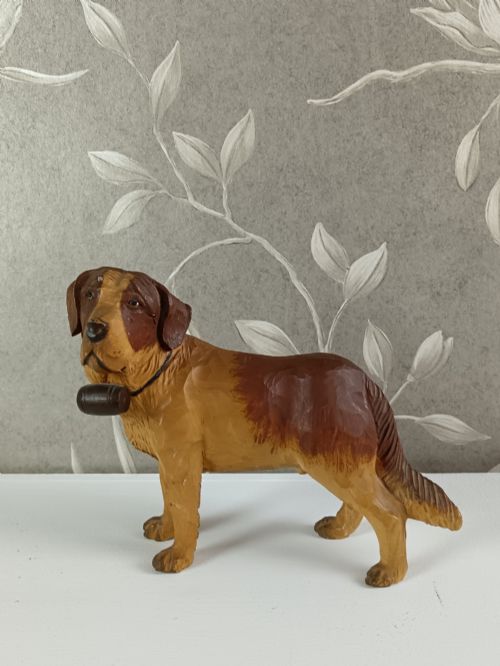
You are most likely to meet bears, owls, goldfish, ibex, and chamois formed into practical items like bookends, coat hooks, and wall plaques, alongside standalone figurines and decorative sculptures. The inventory moves between domestic animal studies and striking hunting trophies, reflecting the Victorian appetite for rustic decoration.
The objects frequently employ linden wood, walnut, and general carved wood, sometimes enhanced with glass eyes or polychrome paint. These works cross paths with Victorian Black Forest styles and traditional folk art, maintaining a consistent focus on woodland fauna and human figures.
How they were made
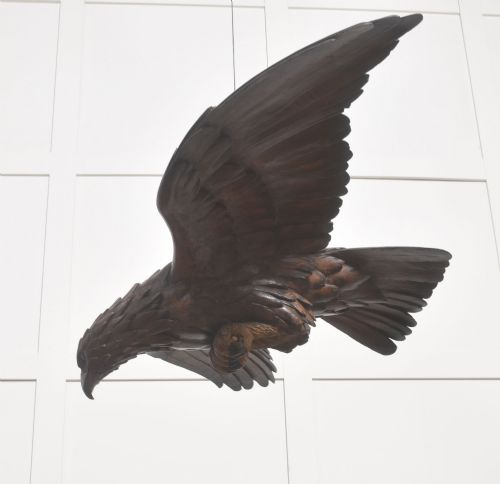
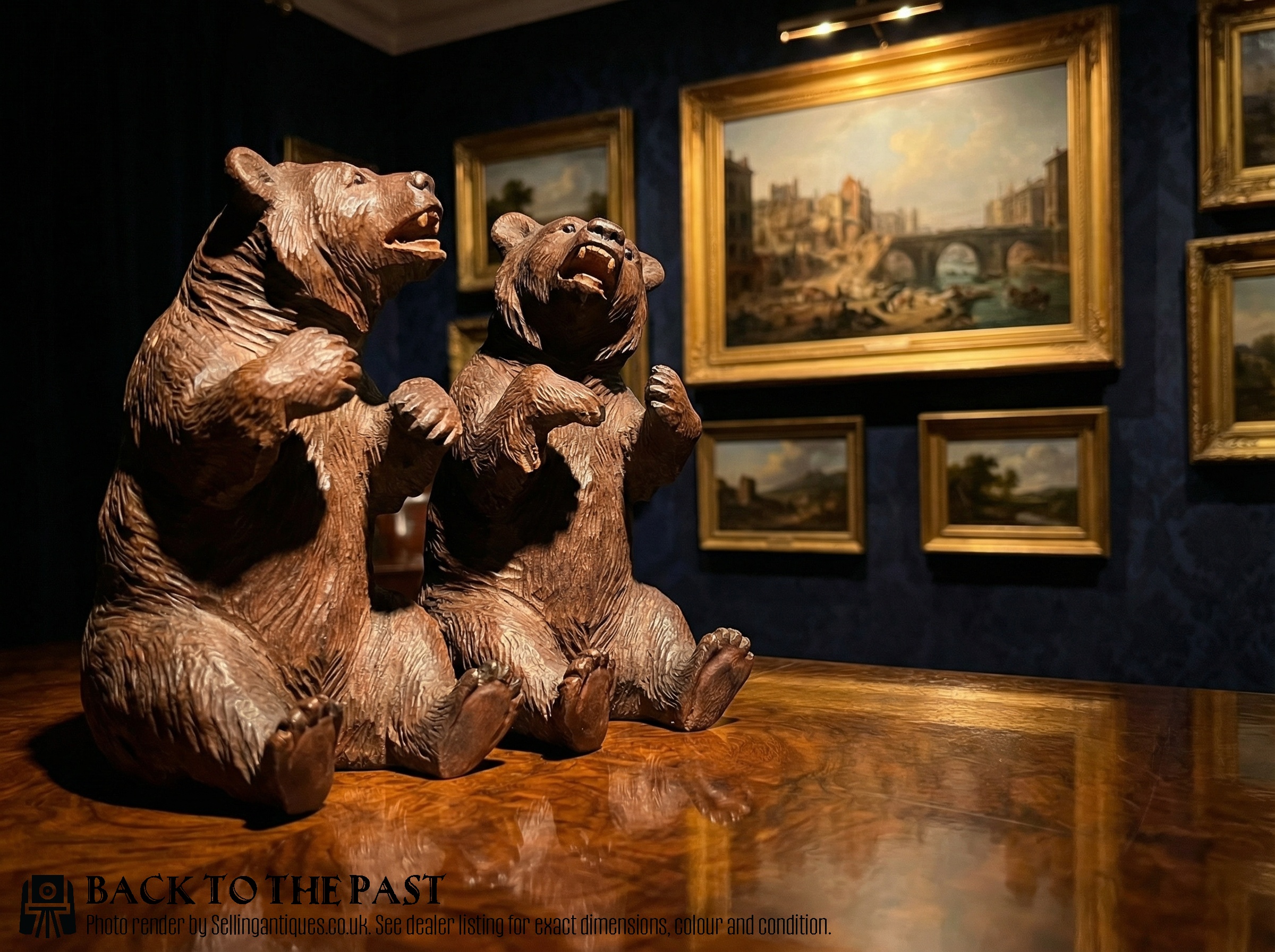
The makers utilised seasoned linden wood and walnut for their stable grain and receptivity to deep, undercut chiselling. Carvers employed specialist gouges and V-tools to render animal fur, feathers, and muscular forms with high tactile fidelity.
Retail Price Guide 2026
Typical UK retail prices for black forest carvings, calculated from the Sellingantiques database of over a million retail prices indexed since 2003. This retail price guide relies exclusively on Sellingantiques data; no external sources or auction records are used, so the figures do not describe the wider market.
Listings span from the 1870s through 1920, predominantly featuring linden wood and walnut formed into bears, owls, and wall plaques.
What varies in quality
The boundary between a standard production piece and a superior carving lies in the anatomical accuracy and the depth of the undercutting. Master carvers freed fur and antlers almost entirely from the background block, creating dynamic shadows that weaker hands missed.
Expression dictates value just as much as technique, with charming or amusing postures holding greater appeal than stiff, generic silhouettes. The treatment of secondary materials, such as secure glass eyes and clean horn attachments, separates thoughtful workshop production from hasty output.
The Black Forest Carvings Glossary
- Linden wood
- A pale, fine-grained timber favoured by carvers for its lack of prominent growth rings and resistance to splitting. It allowed nineteenth-century artisans to achieve remarkably crisp detail.
- Folk art
- Utilitarian and decorative objects created by traditional craftspeople outside the formal academic academies. These pieces rely on regional techniques and local materials.
- Undercutting
- A carving technique where the tool cuts beneath the surface relief to create a detached, three-dimensional effect. This method adds shadow and depth to fur and foliage.
- Hunting trophy
- A plaque or mount designed to display game animals, often carved from solid wood to mimic taxidermy. These items served as popular wall decorations in Victorian interiors.
Frequently Asked Questions
What wood was used?
Carvers relied primarily on linden wood and walnut for their work. These timbers offered the ideal density for intricate detailing without excessive splitting.
Secondary materials occasionally included horn and applied paint to heighten the realism of the animals.
How old are they?
The examples on this page date from the nineteenth century up to the 1920s. The Victorian era and the years around 1900 produced the bulk of these items.
Stylistic cues and material wear help anchor these dates within the broader Swiss and regional folk art movements.
Where were they made?
Production centred largely around Switzerland and the broader European regions associated with the Black Forest style. Local forestry provided abundant linden and walnut timber for the workshops.
Carvers distributed their wares to Victorian tourists and international markets seeking rustic decorative items.
How do I clean them?
Dust the carvings gently with a soft, dry brush to protect the delicate carved fur and wooden grain. Avoid using liquid cleaners or polishes that can build up in the recessed crevices.
Keep the timber away from direct sunlight and severe temperature shifts to prevent wood movement.
Were they functional?
Many pieces served a direct purpose in the Victorian home as bookends, coat hooks, and wall plaques. Sculptors blended utility with naturalistic animal studies to appeal to practical buyers.
Other items functioned purely as decorative figures or sculptural groups for tabletops and shelves.