


Black Fire Screen
These black fire screen pieces range from heavy iron spark guards to lacquer folding panels, all designed to protect a room while framing the hearth.
Black Fire Screen
When you search for a black fire screen, you find hearth protection spanning the nineteenth century, the Edwardian era, and the nineteen-twenties, incorporating styles from Gothic Revival to Arts and Crafts and Chinoiserie. These pieces take the form of standing screens, folding spark guards, nursery fenders, and pole screens.
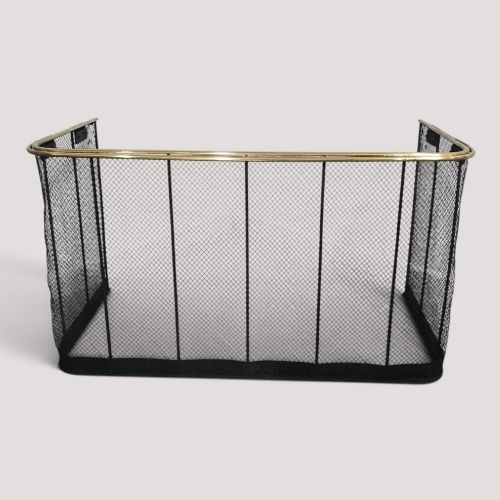
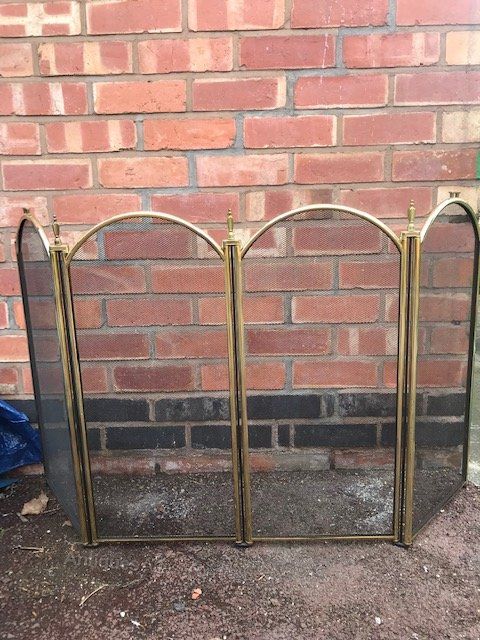
The most common versions on this page are iron and wrought iron spark guards alongside ebonised wood and black lacquer panels. Many combine iron frames with brass trim or wire mesh to balance containment with visibility of the fire.
How They Were Made
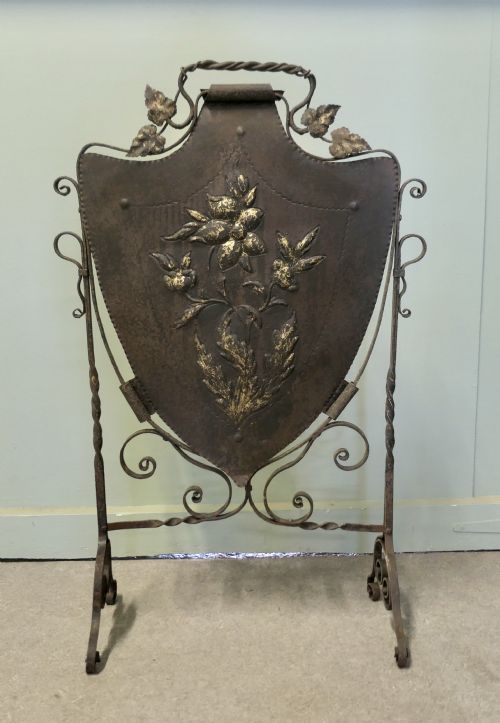
Makers utilised iron and wrought iron for sturdy frames, shaping them into Gothic shields, tall folding fireguards, and heavy nursery fenders. Wire mesh and fine mesh panels were combined with brass frames and top rails to catch sparks while keeping the weight manageable.
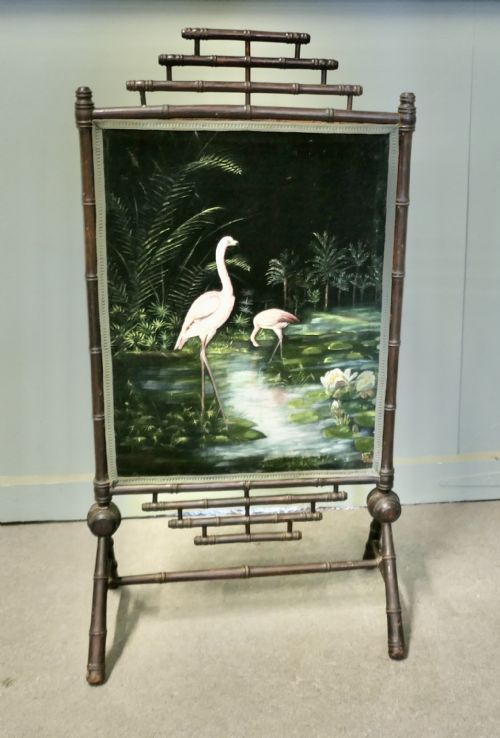
Decorative surfaces relied on black lacquer, ebonised wood, and painted details such as flamingos, alongside carved oak in the Black Forest style. Silkwork panels and framed embroidery were mounted into pole screens and screen frames.
Flamingos stroll across nineteenth-century black lacquer panels, guarding the hearth with tropical flair.
What Varies in Quality
Quality rests in the substance of the metalwork and framing, separating heavy wrought iron and substantial brass-rimmed mesh guards from lighter wirework. Heavier gauge iron and solid brass top rails provide stability and durability by the hearth.
Artistic execution distinguishes the painted and carved examples, from hand-painted lacquer panels with distinct bird motifs to detailed Black Forest carvings. The integration of folding sections and adjustable heights shows greater mechanical care.
The Black Fire Screen Glossary
- Spark Guard
- A fine wire mesh or iron screen placed before a fireplace to catch flying embers. These guards protect carpets and furniture from stray sparks.
- Nursery Fender
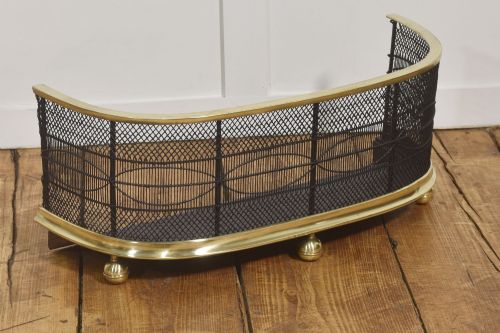
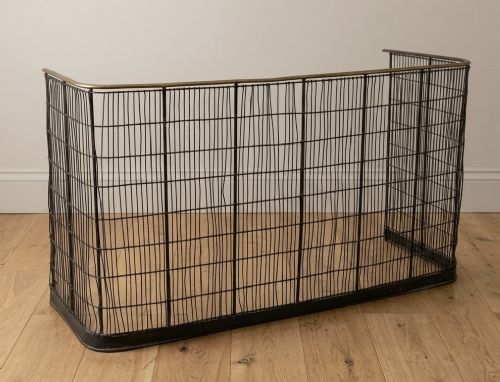
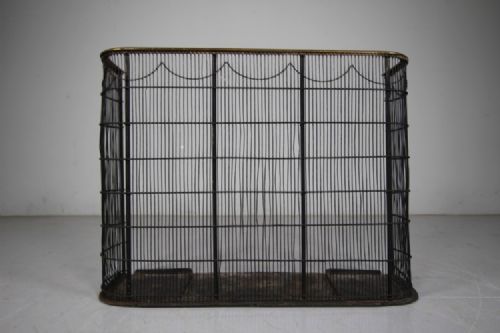
- A low metal barrier enclosing a hearth to keep children and pets at a safe distance from the fire. They often feature brass top rails and fine wire mesh.
- Pole Screen
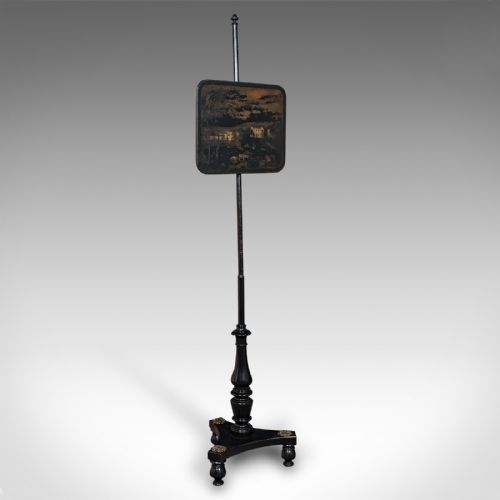
- A vertical screen mounted on a tall wooden pole that slides to adjust height, designed to shield a face from radiant fireplace heat. They frequently display needlework or painted panels.
- Ebonised Wood
- Timber treated with a dark finish to imitate expensive ebony wood. It appears frequently in nineteenth-century hearth furnishings.
- Chinoiserie
- European decorative style employing Chinese artistic motifs. This style appears on black lacquer screens featuring painted oriental scenes.
Black Fire Screen: Frequently Asked Questions
What is the difference between a fire screen and a spark guard?
A fire screen often serves a decorative purpose during warmer months when the hearth is inactive, featuring painted lacquer, embroidery, or carved wood.
A spark guard is built primarily from wire mesh and iron to remain functional while a fire burns, stopping embers from reaching the room.
How do I use a nursery fender?
A nursery fender sits on the floor around the hearth perimeter to create a physical barrier between the fire and small children or pets. The raised metal structure stops direct contact with hot grates and flying sparks.
Many versions include wire mesh sides and a sturdy top rail for added protection.
Where did pole screens go?
Pole screens stood near fireplaces in nineteenth-century rooms to protect sitters' faces from the intense heat of open coal fires. As central heating replaced open hearths as the primary heat source, these adjustable screens lost their daily utility.
Today they survive as decorative antique furnishings in sitting rooms.
How do I date a black fire screen?
Dating relies on materials, construction techniques, and stylistic markers recorded across the pieces. Nineteenth-century examples often feature wrought iron, heavy brass mesh, and hand-painted lacquer or needlework.
Later pieces from the nineteen-twenties show simpler folding iron designs and industrial wirework.