

Black Engraving
When buyers search for black engraving, they look for historical printed works on paper framed as wall art from centuries past.
Black Engraving
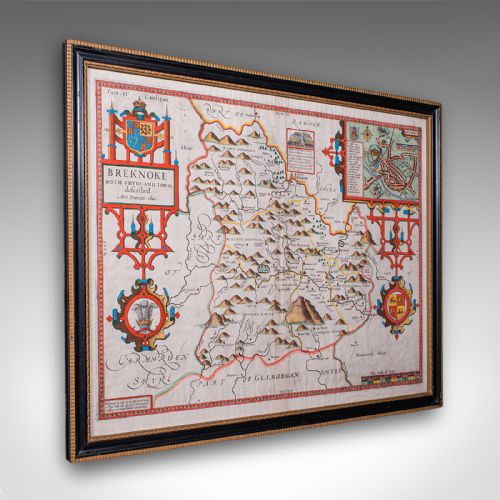
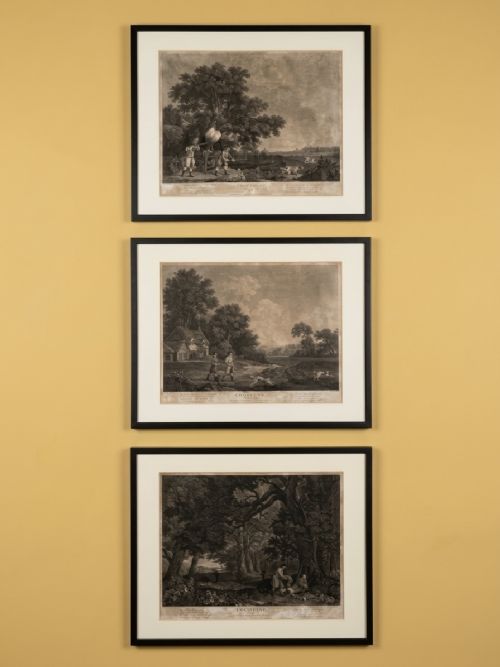
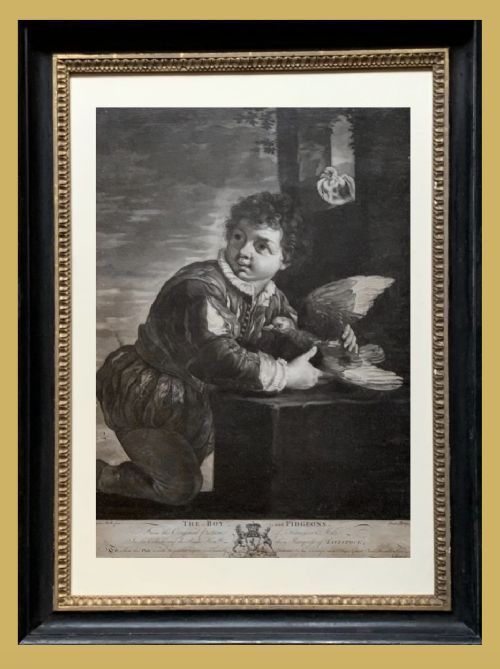
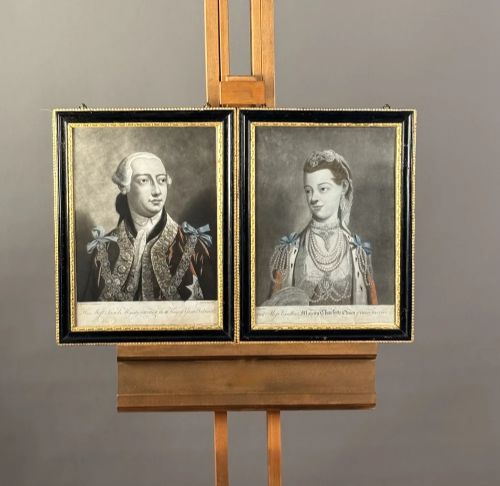
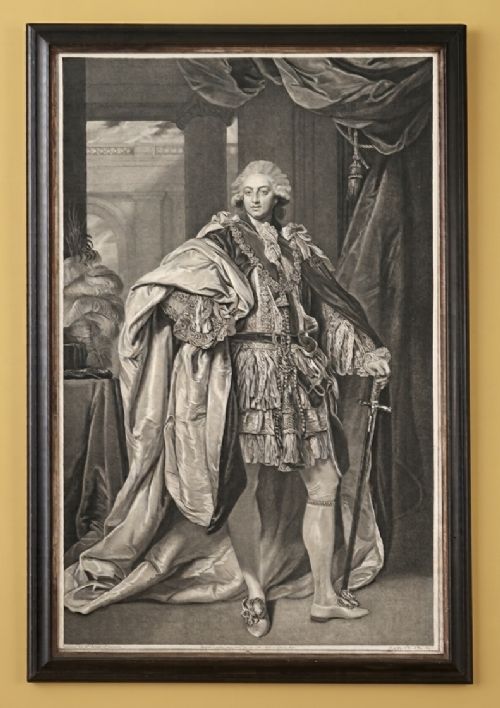
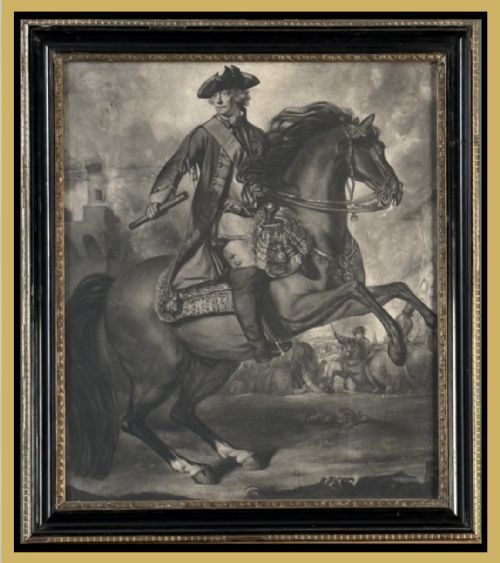
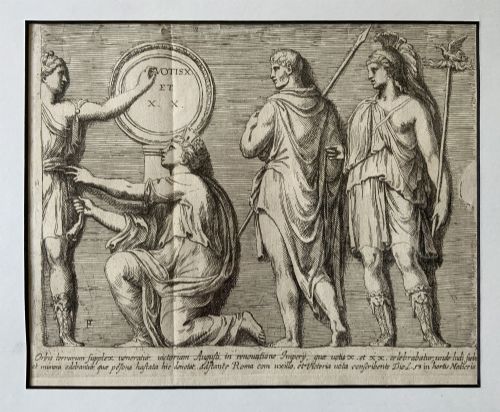
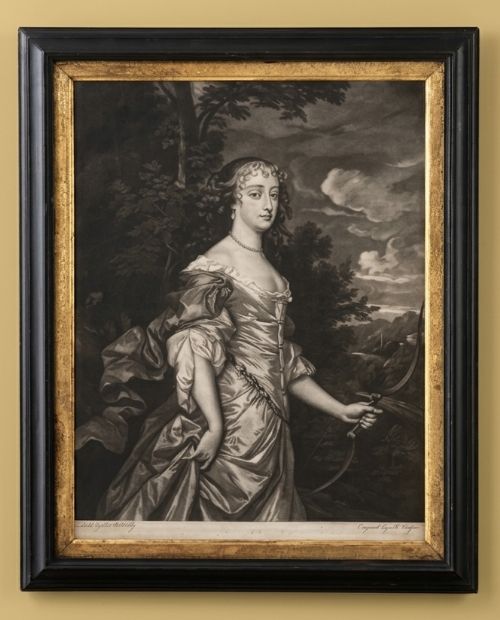
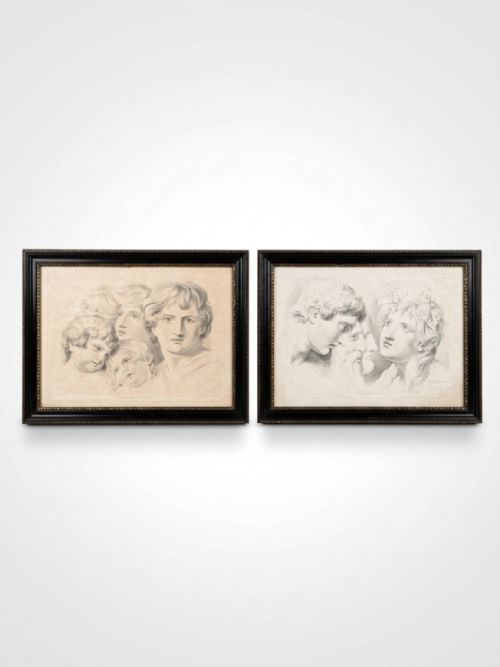
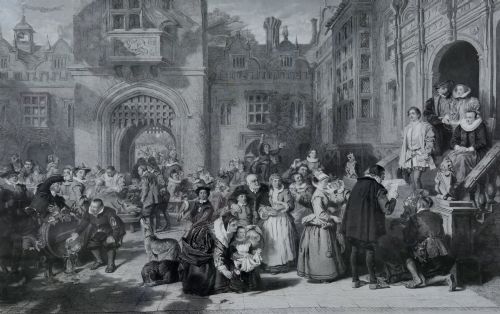
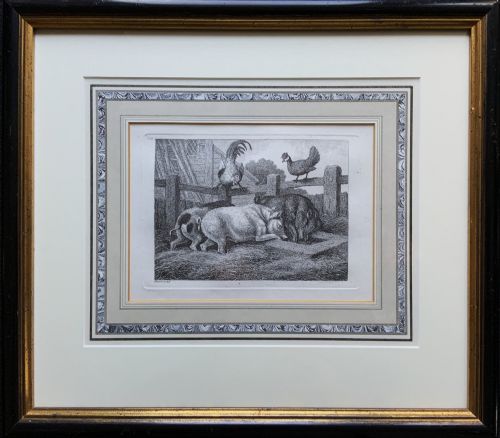
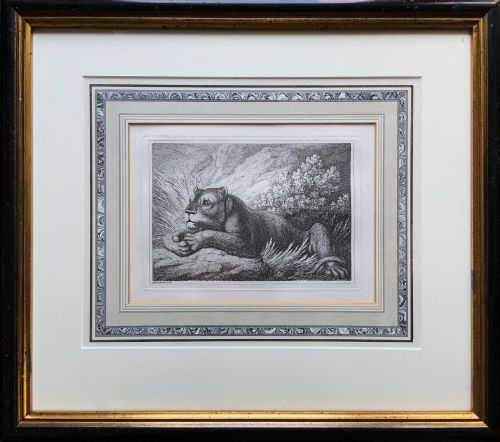
When searching for black engraving, collectors find framed wall art spanning several centuries, primarily featuring printed works on paper. These items range from antique maps and architectural scenes to detailed portraits and pastoral compositions.
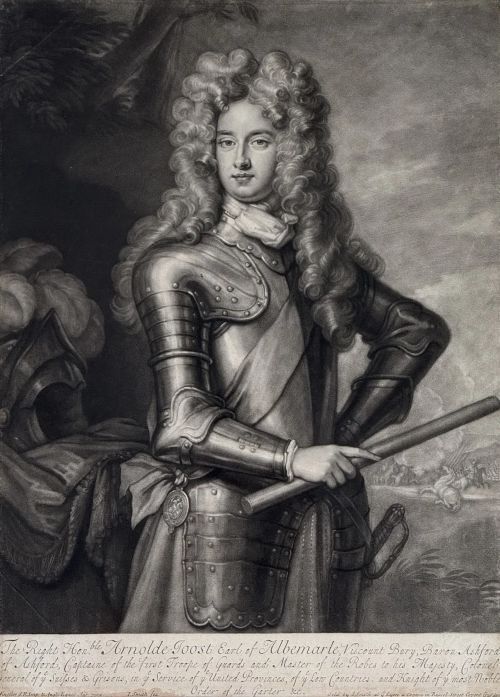
The selection includes pieces originating from the seventeenth, eighteenth, and nineteenth centuries, alongside Edwardian and later examples. Buyers encounter works categorised as prints, engravings, etchings, and mezzotints, often displayed in original frames.
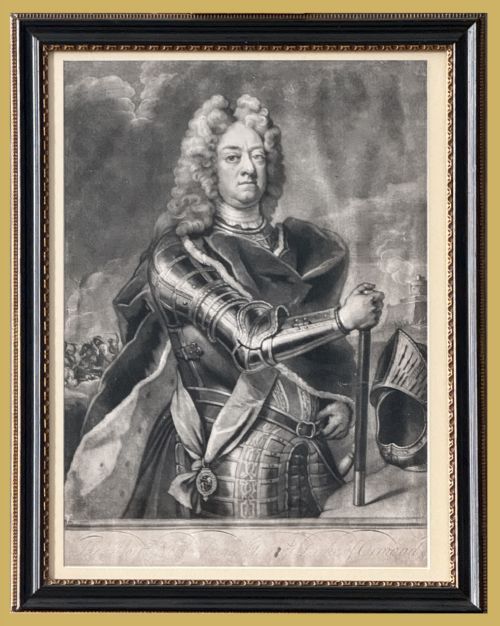
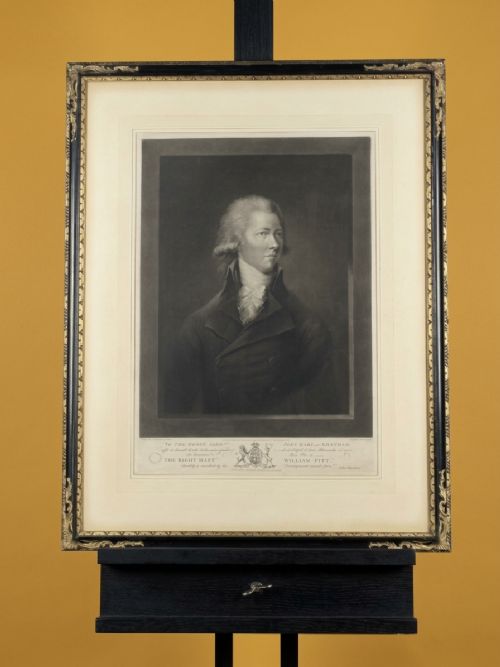
Portraits of notable historical figures and members of royalty appear frequently alongside cartographic works and figurative scenes. The inventory reflects diverse printmaking techniques executed on paper substrates.
Materials and printmaking methods
The primary medium involves dark ink applied to paper surfaces through various intaglio and relief printing methods. Engravings, etchings, and mezzotints form the core of these works, utilising metal plates worked by hand.
Many pieces incorporate ebonised wood or original Hogarth frames, complemented by glass protection and occasional gold leaf details. Brass fixtures and wood backing materials appear on framed items from the seventeenth century onwards.
Black Engraving Retail Price Guide 2026
Typical asking prices for black engraving among the pieces listed under this phrase on Sellingantiques today, from the lower quarter to the upper quarter. They describe what is for sale here now, not the wider market.
Quality and craftsmanship
Quality in these printed works rests upon the clarity of the inked impression and the skill of the original draughtsman and printmaker. Fine lines, deep tonal gradations in mezzotints, and crisp lettering distinguish superior plates.
The preservation of the paper substrate and the integrity of the associated frame influence the overall appeal of each piece. Contemporary impressions pulled from worn plates lack the sharp definition seen in early strikes.
John Speed·George Keating·John Smith·Thomas Frye·Samuel Howitt·James Watson·John Jones·Thomas Watson·François Perrier·William Woollett·John Simon·Edward Fisher·John Boydell·Francesco Bartolozzi·Valentine Green
The Black Engraving Glossary
- Engraving
- A printmaking technique where an artist cuts lines directly into a metal plate with a burin. The resulting incisions hold ink to produce a sharp, precise image on paper.
- Mezzotint
- A tonal printmaking process where the metal plate is roughened uniformly to produce dark areas, then scraped and burnished for lighter tones. This method creates rich velvety blacks and subtle gradients.
- Etching
- A process where lines are bitten into a metal plate using acid rather than direct cutting. The plate is covered in a protective ground, drawn through with a needle, and immersed in acid.
- Stipple engraving
- A method of producing images on plates through a dense pattern of dots rather than continuous lines. It generates soft tonal effects particularly suited for portraits.
- Hogarth frame
- A style of narrow, moulded wooden picture frame popular during the eighteenth century. These frames often feature dark finishes and subtle decorative profiles.
Black Engraving: Frequently Asked Questions
What periods do these pieces date from?
The selection spans from the seventeenth and eighteenth centuries through to the Victorian era and the twentieth century. Early examples include seventeenth-century maps and Baroque etchings.
Later Victorian and Edwardian periods are represented by various framed prints, grand tour etchings, and decorative household items.
How should I display antique engravings?
These works on paper require careful placement away from direct sunlight to prevent fading of the ink and paper degradation. Acid-free mounting helps preserve the condition of antique sheets over time.
Keeping them in stable indoor humidity conditions protects both the paper substrate and any original wooden framing.
Are these pieces supplied in original frames?
Certain pieces retain their period housings, such as seventeenth-century mouldings or eighteenth-century Hogarth frames. These original enclosures contribute to the historical context of the artwork.
Other items arrive in later frames chosen to complement the aesthetic of the print.